Alex Rodriguez was sorting through vinyl at his Los Angeles record shop when he found something that didn't belong to him: the original acetates from Elton John's 1973 masterpiece "Goodbye Yellow Brick Road." These weren't just copies. They were the first recordings—the blueprints of one of the most iconic albums ever made.
Rodriguez, who curates records for Coachella and runs Record Safari, could have sold them. The market value alone would have been substantial. Instead, he tracked down John and gave them back.
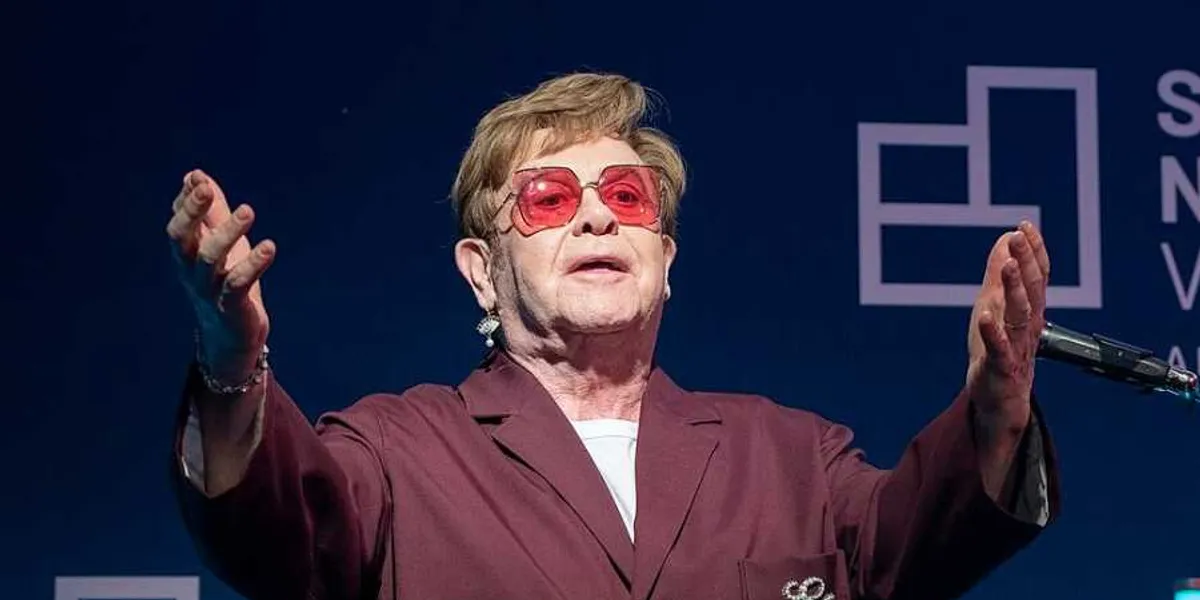
"It's an act of kindness that reminds you there are still a lot of good people in this world," John wrote on social media. He called the acetates "truly priceless"—not because of what they'd fetch at auction, but because they're a tangible piece of his own creative journey, now returned to him by someone he'd never met.
We're a new kind of news feed.
Regular news is designed to drain you. We're a non-profit built to restore you. Every story we publish is scored for impact, progress, and hope.
Start Your News DetoxThis matters because it reveals something about how we treat the things that matter. John has spent decades as a collector—he owns over 120,000 CDs and 15,000 vinyl records. His relationship with physical music isn't casual. When he was young, his mother bought him an Elvis Presley record, "Heartbreak Hotel," and that single object changed the course of his life. He's chased that feeling ever since: the smell of the sleeve, the weight of the vinyl, the way a physical record holds memory in a way a digital file never quite does.
He once sold his entire collection in the 1990s. He's since rebuilt it, piece by piece, because those objects matter to him in a way that goes beyond nostalgia. "Music has been my whole life," he said. "It's been my crutch; it's been my soulmate."
What Rodriguez did—finding something irreplaceable and choosing to return it rather than profit from it—speaks to a kind of respect for the artist and the work that feels increasingly rare. It's not about money. It's about understanding that some things belong in the hands of the person who created them, who lived through their making, who can actually feel what they mean.
The gesture also quietly affirms something the vinyl resurgence has been saying for years: physical media isn't dead, and it's not just nostalgia. For collectors, for artists, for people who care about the tactile reality of music, these objects are still alive. They still matter.