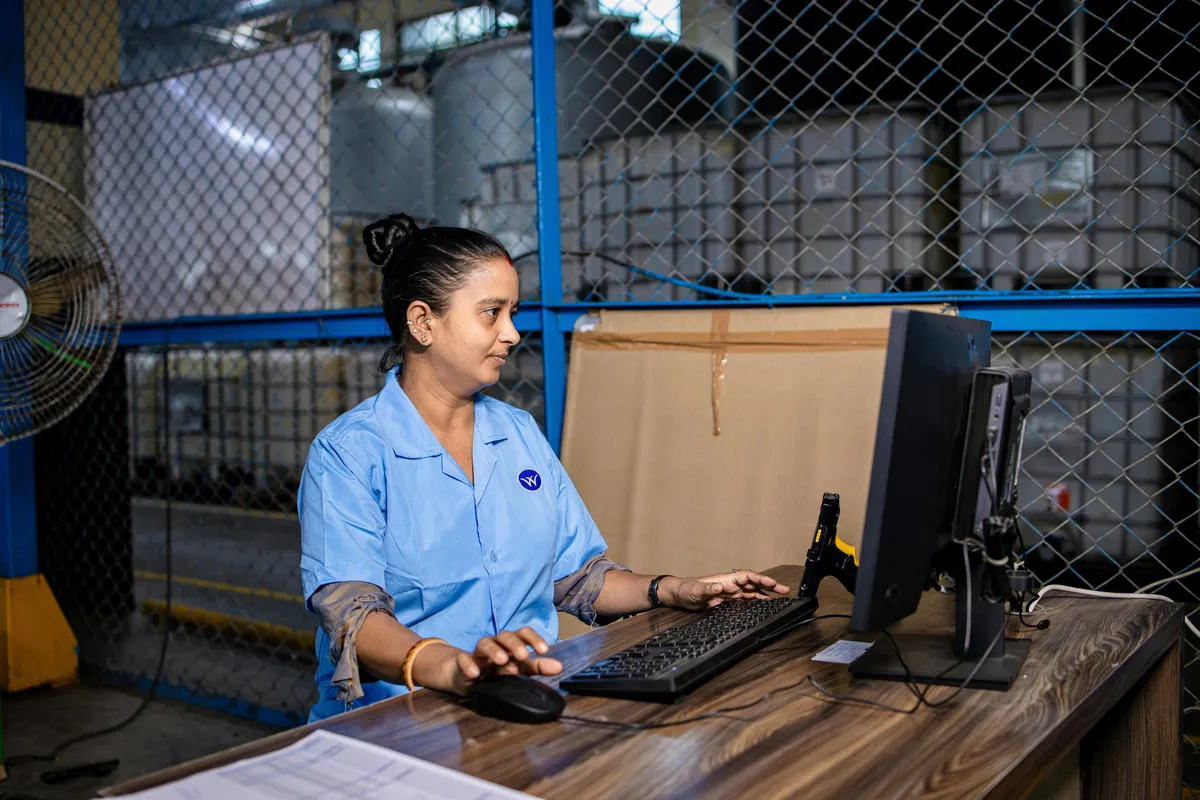
Women make up 29% of leadership roles across German industries. In logistics, that number drops to 19%. A new study from Hof University of Applied Sciences dug into why — and the answer isn't mysterious. It's structural.
The logistics sector runs on precision: schedules, routes, delivery windows. But when it comes to how leaders work, that same precision hardens into inflexibility. The study found that rigid working models and male-dominated corporate cultures create a particular friction for women in the industry — one that doesn't affect other sectors quite as severely.
The barriers stack up. Long, unpredictable hours clash with the realities of caregiving. Career progression feels opaque; women don't see themselves reflected in senior roles, so the path forward feels less real. Development programs exist, but they're not designed with women's needs in mind. Mentoring networks, if they exist at all, tend to run along existing social lines — which in logistics, skew heavily male.
We're a new kind of news feed.
Regular news is designed to drain you. We're a non-profit built to restore you. Every story we publish is scored for impact, progress, and hope.
Start Your News DetoxWhat's striking is that this isn't a pipeline problem. Women enter logistics. They work in the industry. The drop-off happens at leadership level, which means the barrier isn't entry — it's advancement. The study makes clear that companies aren't failing to recruit women. They're failing to promote them.
The researchers point to concrete fixes: flexible leadership models that don't require someone to be in an office at 6 a.m. to prove commitment. Transparent career paths so women know what advancement actually looks like. Professional development programs tailored to support underrepresented groups. Mentoring that intentionally connects emerging leaders with people who've navigated similar obstacles.
These aren't radical ideas. They're standard practice in other industries that have pushed past the 25% threshold. The difference is that those sectors made structural changes, not just cultural appeals. Logistics companies that want to tap into the full talent pool — and every industry is struggling to find leadership capacity right now — need to do the same.
The study's authors emphasize that change requires both: new structures and active support. Neither alone works. A flexible schedule means nothing if the promotion ladder still favors those who stay late. A mentoring program fails if the underlying culture hasn't shifted to value the people being mentored.
For logistics companies watching margins and struggling to fill senior roles, this research offers something practical: women aren't leaving logistics because they don't want to lead. They're leaving because the way logistics asks people to lead doesn't work for them.