New York's public housing residents have until February 12th to pitch climate ideas that could reshape their neighborhoods — and get paid to build them.
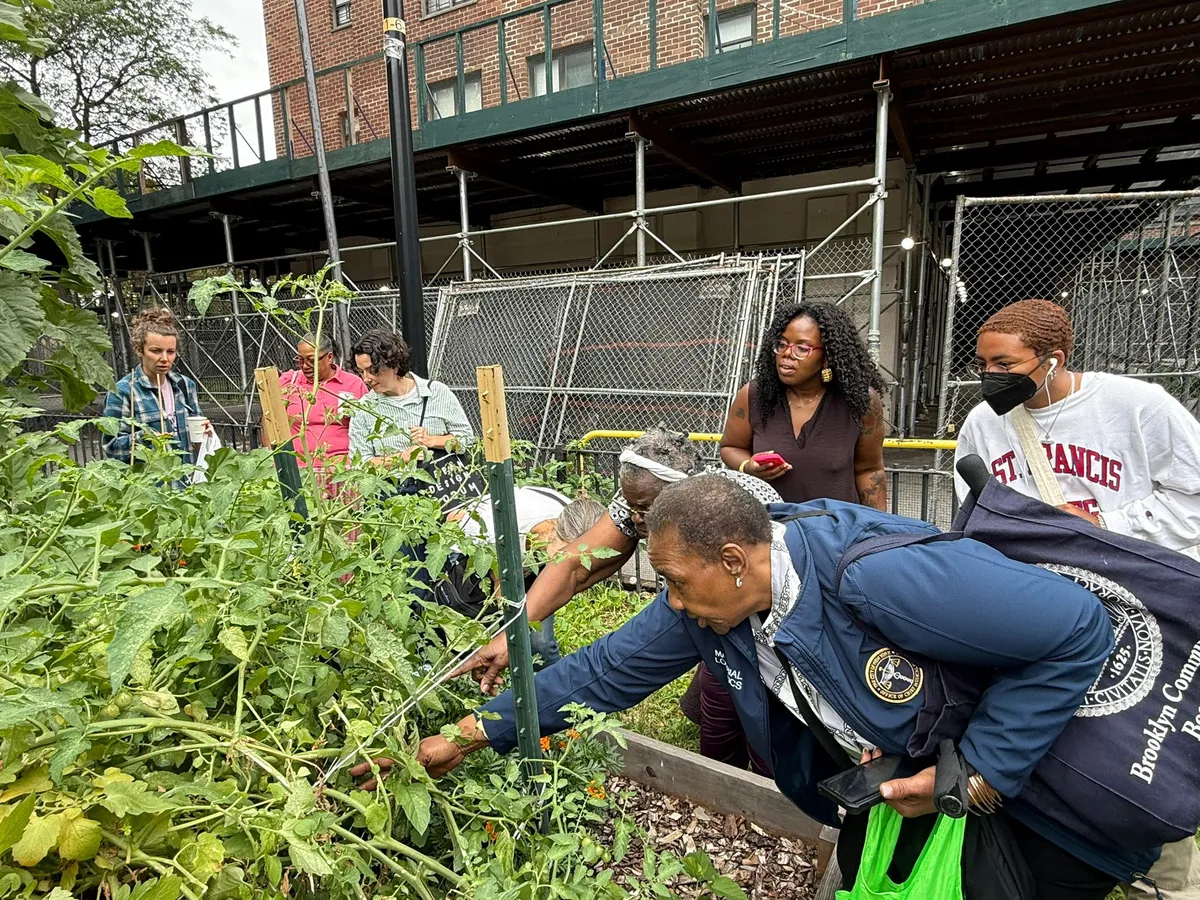
The NYCHA Resident Climate Action Grants, now in their fourth year, are opening applications again. The program funds projects designed and led by residents themselves, not outside organizations parachuting in with solutions. Past winners have turned that freedom into tangible change: community gardens at several developments, composting programs that actually stick, solar-powered lights at Manhattanville Houses, and cooking and planting classes at Stapleton Houses. Last year, 17 projects across the city got funded.
The money ranges from $1,500 for a first-time idea to $15,000 for established projects ready to scale. That's not venture capital, but it's enough to move from "wouldn't it be nice" to "we're doing this."
We're a new kind of news feed.
Regular news is designed to drain you. We're a non-profit built to restore you. Every story we publish is scored for impact, progress, and hope.
Start Your News DetoxWhat makes this different from the usual top-down climate initiative is the assumption baked into the structure: residents know their buildings better than anyone. They know where the waste problem is (apparently dog waste at Gowanus Houses was significant enough to warrant a campaign). They know which public spaces need upgrading. They know what would actually get their neighbors to show up.
Lisa Bova-Hiatt, NYCHA's CEO, framed it plainly: "Residents have a deep understanding of their communities, and this program empowers them to turn their innovative ideas for sustainability into reality." It's the kind of statement that could be empty corporate speak, but the track record suggests it's being lived out.
The application process starts with a simple submission by mid-February. If your idea gets through that first gate, you're invited to apply for one of the three funding tiers based on what you're actually trying to do.
For NYCHA residents with a climate idea that's been sitting in the back of their mind — a better way to manage waste, a garden that could feed neighbors, a workshop series that makes sustainability feel less abstract — this is the opening. The details are on the program's website.