Over 150,000 people want to foster children in England. Last year, only 7,000 were approved. The gap between those willing to help and those actually taking children in tells you something important about how the system has been built — and how it's about to change.
The UK government has committed £88 million to create 10,000 new foster placements, a direct response to a crisis that's been quietly deepening. Since 2021, the number of active foster carers has dropped 12%, from nearly 64,000 to just over 56,000. That loss of placement capacity has pushed more children toward residential children's homes, which cost nearly three times as much and often provide less stability.
What's Actually Changing
The plan focuses on removing barriers rather than adding incentives. Current rules make it difficult for full-time workers to become foster carers — a restriction that cuts out a huge pool of capable people. New guidance will also explicitly encourage applications from diverse backgrounds, addressing a long-standing gap in the system.
We're a new kind of news feed.
Regular news is designed to drain you. We're a non-profit built to restore you. Every story we publish is scored for impact, progress, and hope.
Start Your News DetoxJosh MacAlister, the government's minister for children and families, frames this as urgent. And the numbers back that up. In the last 12 months alone, there were 1,140 fewer foster placements available than the year before. Meanwhile, spending on residential care has nearly doubled in five years to £3.1 billion annually.

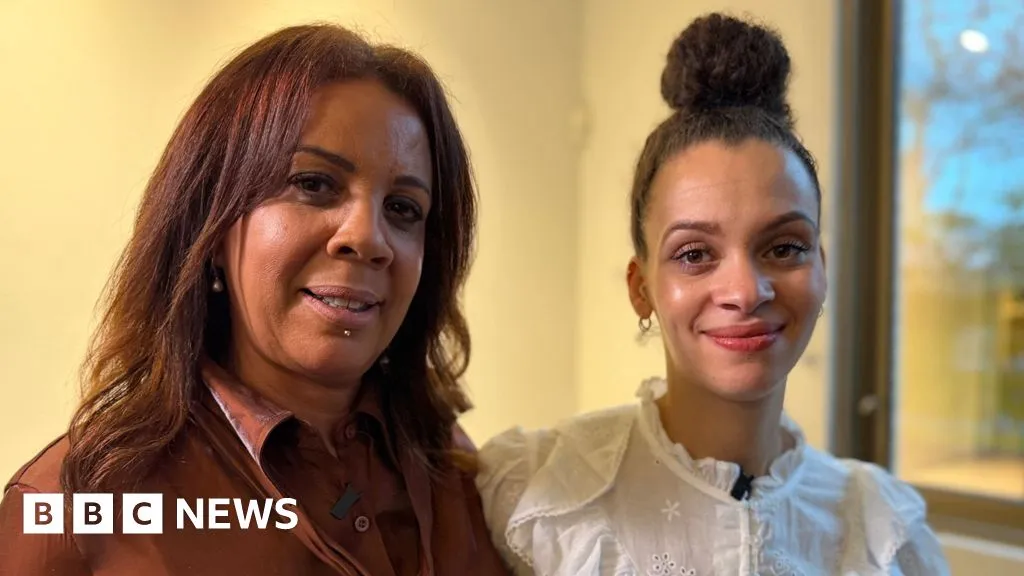
The human side of this shows up in the families already fostering. Judy and Roxy Wilson, who appeared together on the BBC's "The Traitors," embody what fostering can offer. Roxy spent years moving between homes before finding stability with Judy, who later adopted her. Hana and Fahad describe taking in their foster daughter as "life-changing" — language that appears again and again in foster families' accounts.
They're also honest about the hesitation. Judy acknowledges that support exists but "not enough." Hana and Fahad name the fear directly, then move past it. That honesty matters. The 150,000 interested people aren't asking for false reassurance; they're asking for realistic pathways.
The government's target is 10,000 new placements by the end of this parliament. That's specific enough to measure, ambitious enough to matter. Whether the rule changes actually unlock those 150,000 interested people — and whether £88 million proves sufficient to support them — will determine whether this reverses the five-year decline or simply slows it.