Turns out, you can teach an old journalist new tricks — especially when it comes to not accidentally misrepresenting quantum physics or the latest kale study. A new, rather efficient, experiment out of Germany just proved that a mere seven-minute educational video can dramatically boost the accuracy of science reporting.
Because let's be honest, scientific papers are not exactly beach reads. The public, and even policymakers, often get their science news from, well, the news. And sometimes, under the pressures of deadlines, clickbait quotas, or simply not having a Ph.D. in every subject, things get a little… twisted. Suddenly, correlation becomes causation, and that study on mice applies to all of humanity.
The Shortest Masterclass Ever
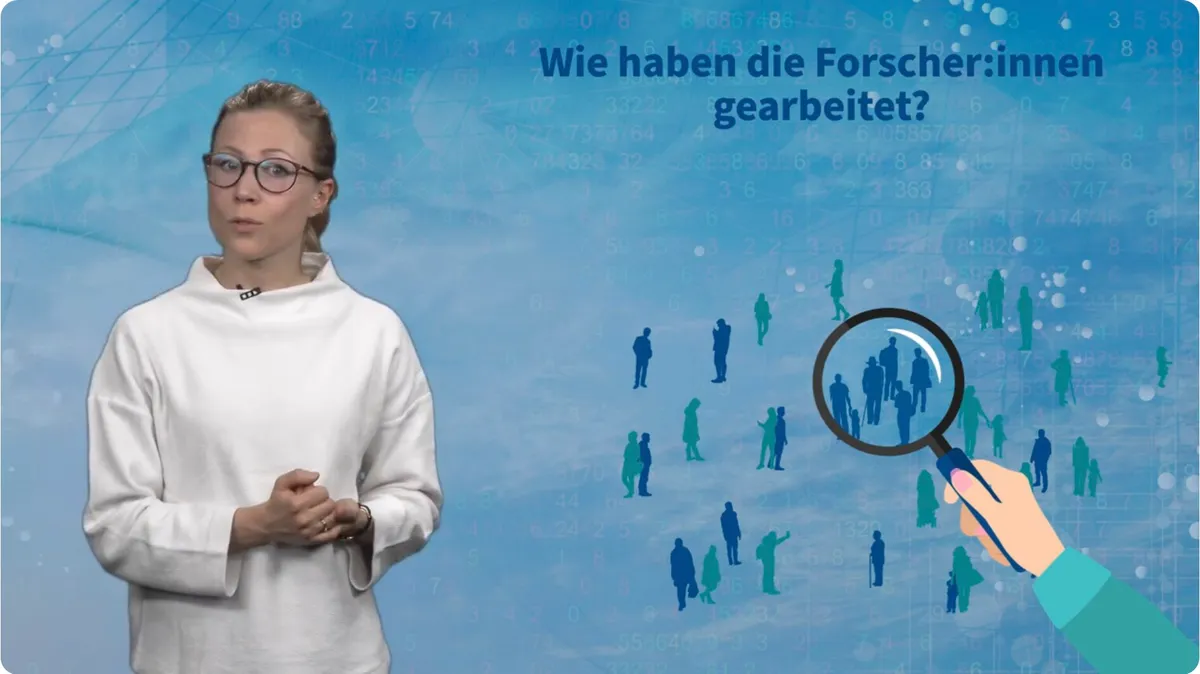
Lara Marie Berger and her team decided to tackle this with surgical precision. They developed a seven-minute German-language video designed to arm journalists with a scientific BS detector. The video covered the essentials: funding sources (who's paying for this?), study group details (who's actually in this study?), statistics (what do these numbers really mean?), cause-and-effect (is X really causing Y?), and how to decipher those often-confounding graphs.
We're a new kind of news feed.
Regular news is designed to drain you. We're a non-profit built to restore you. Every story we publish is scored for impact, progress, and hope.
Start Your News DetoxThey then unleashed this micro-masterclass on 130 professional German journalists. Another 130 journalists, the control group, got no such enlightenment. Both groups were then tasked with writing headlines for science stories notorious for being misinterpreted.
The Proof is in the Punchline
The results were less subtle than a supernova. The control group? Only 36% of their headlines were accurate. Meaning nearly two-thirds of them were, shall we say, creatively interpreted. But for the journalists who watched the video, that accuracy jumped to a solid 64%. Let that satisfying number sink in.
So, if you've ever read a science headline and thought, "Wait, what?" — there's hope. This study suggests that a short, sharp dose of scientific literacy training could be the secret sauce for newsrooms, journalism schools, and anyone else tired of reading that coffee both causes and cures everything.