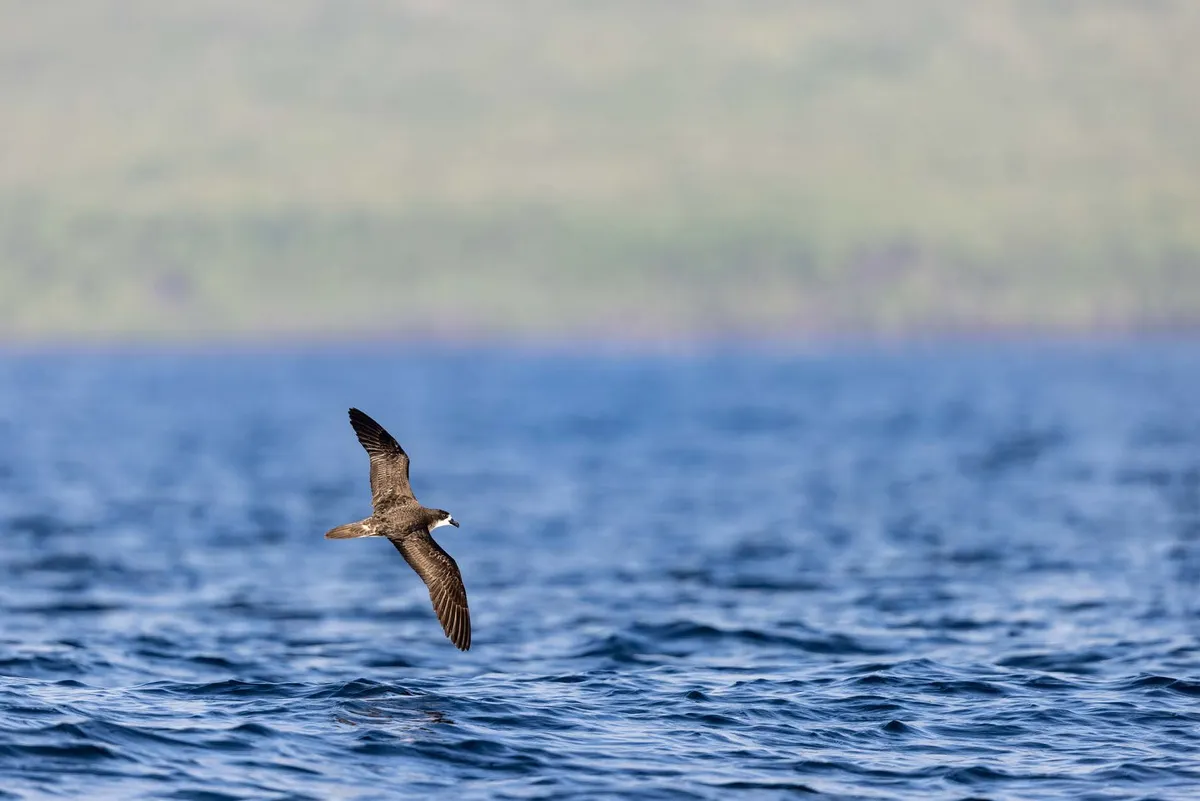
Imagine a bird that spends 90% of its life out at sea, then sneaks back to land under the cover of darkness, nests in a misty, high-altitude burrow, and is so elusive that even conservationists rarely spot it. Meet the Galápagos petrel, the seabird equivalent of a secret agent. And it's critically endangered.
These masters of ocean stealth have seen their population plummet, especially up until the 1980s. Today, we're down to about 15,000 to 20,000 individuals. Their biggest terrestrial enemies? The usual suspects: invasive species that munch on eggs, chicks, and generally trash their carefully chosen, hidden homes.

The Sneaky Nesting Habits of a Seabird
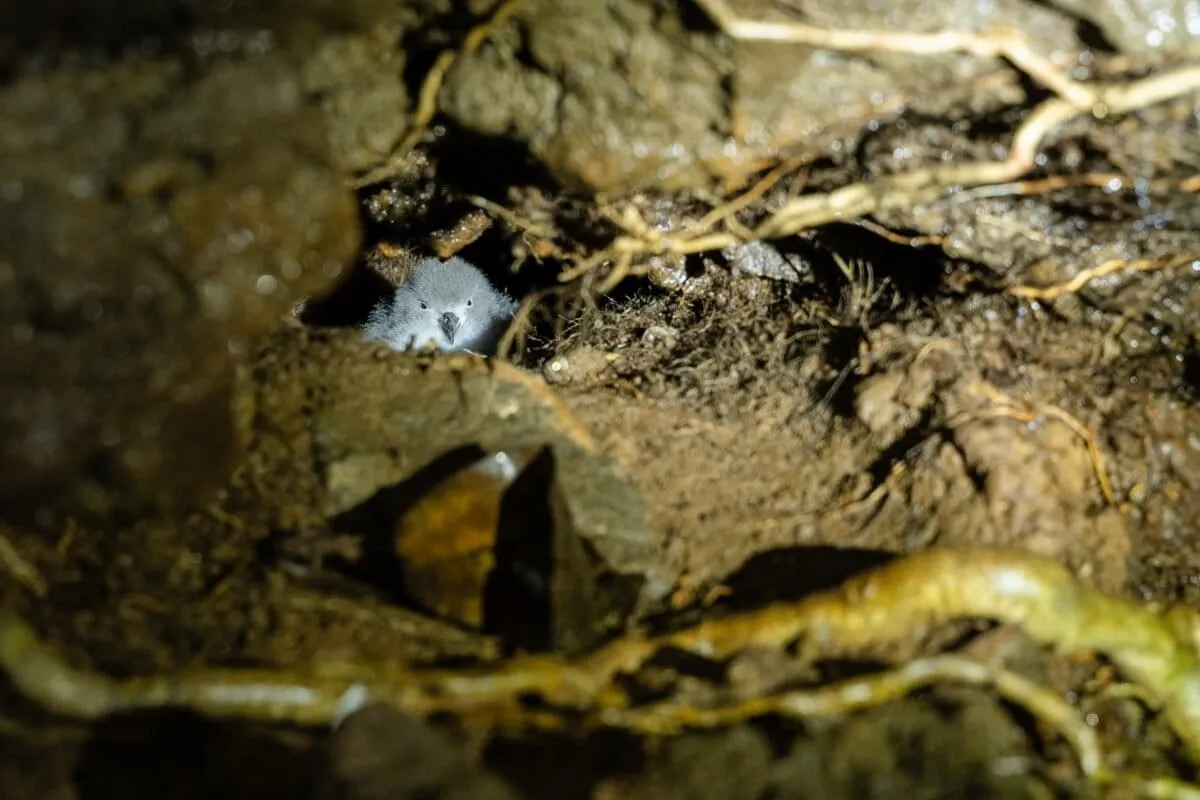
Paola Sangolquí, a marine conservation coordinator with Ecuadorian NGO Jocotoco, describes these birds as practically invisible. They're out in the open ocean, living their best life hunting squid and fish. But when the urge to nest strikes, they head to the remote, misty highlands of islands like San Cristóbal, Floreana, Santa Cruz, Isabela, and Santiago. They're not exactly building McMansions; we're talking burrows or natural rock cracks, tucked away in dense vegetation, far from prying eyes (and people).
We're a new kind of news feed.
Regular news is designed to drain you. We're a non-profit built to restore you. Every story we publish is scored for impact, progress, and hope.
Start Your News DetoxAnd just to make things extra difficult for anyone trying to find them, they're almost exclusively nocturnal on land. Because apparently, nesting in a foggy, high-altitude burrow wasn't quite stealthy enough. These birds are basically the ninjas of the avian world.
Despite their incredible evasiveness, conservation efforts have been ongoing for decades. The latest push involves an ambitious new project: enlisting thousands of private landowners across the Galápagos. The idea is to get these landowners to help secure the petrels' delicate nesting areas, turning local residents into an army of quiet protectors.
It's a big ask, considering how rarely anyone actually sees one of these birds. But for a creature that's managed to survive by being incredibly good at hiding, perhaps the best way to help them is to ensure their secret spots stay secret, and safe.