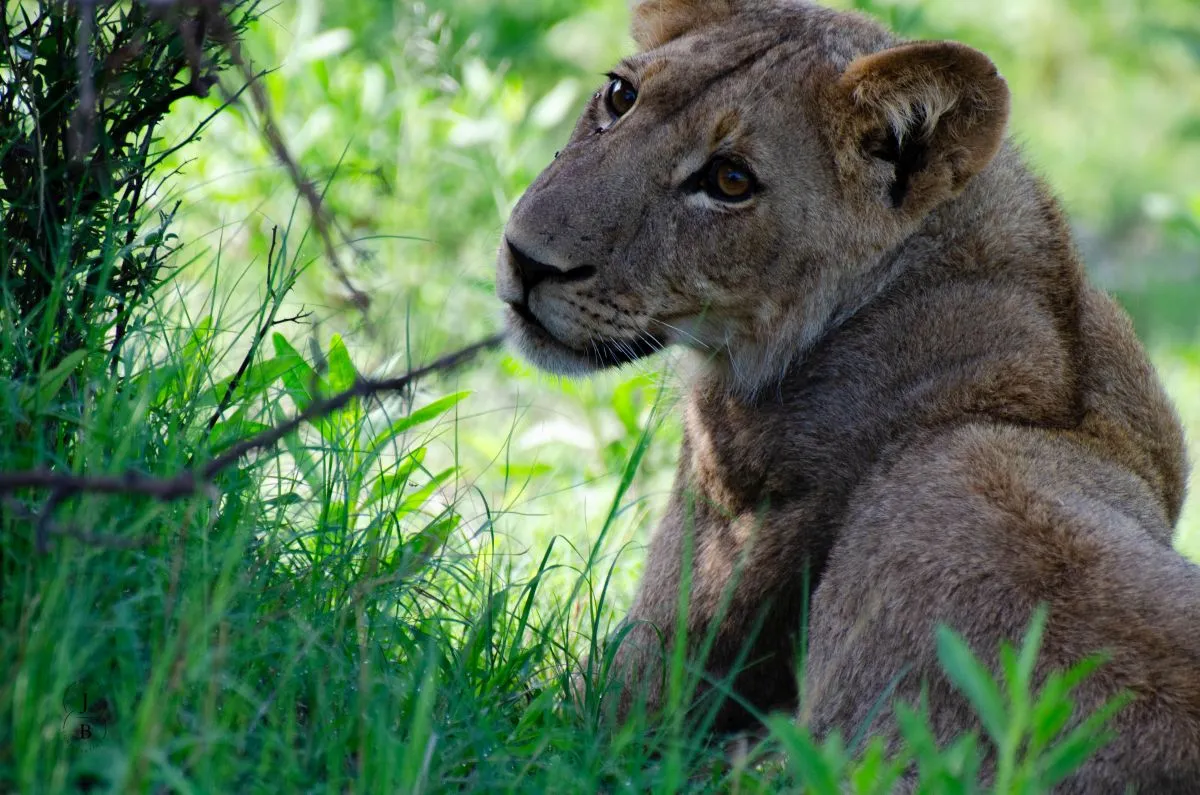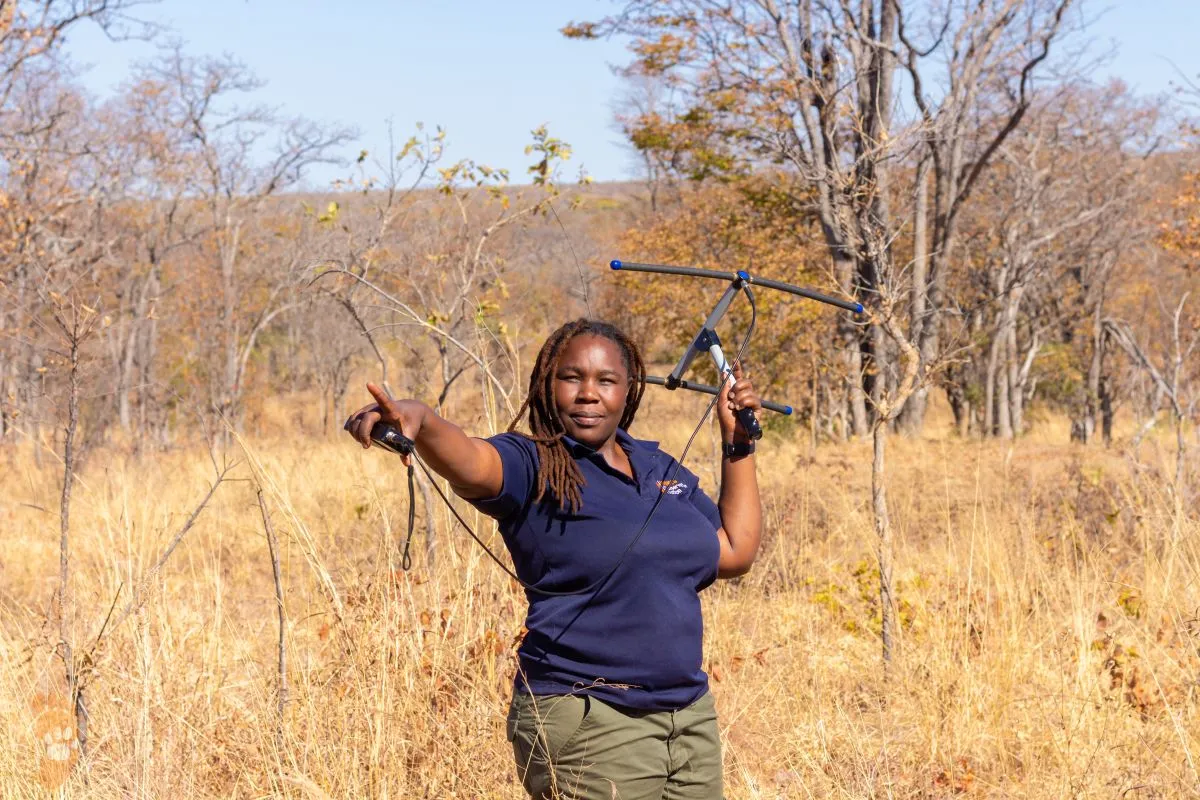
In northern Zimbabwe, the guardians are called "Batabilili." It's a Tonga word, meaning "protectors." And they have their work cut out for them, safeguarding both people and their livestock from lions, and lions from people. Because, apparently, that's where we are now.
Moreangels Mbizah, a lion conservationist, leads the charge. She knows the drill: a lion takes down a farmer's cattle, the family faces a devastating financial hit, and then, often, the farmers retaliate. Which, if you think about it, is both understandable and a disaster for the vulnerable Panthera leo species. Especially when a female lion with cubs is killed, because then the cubs usually follow.
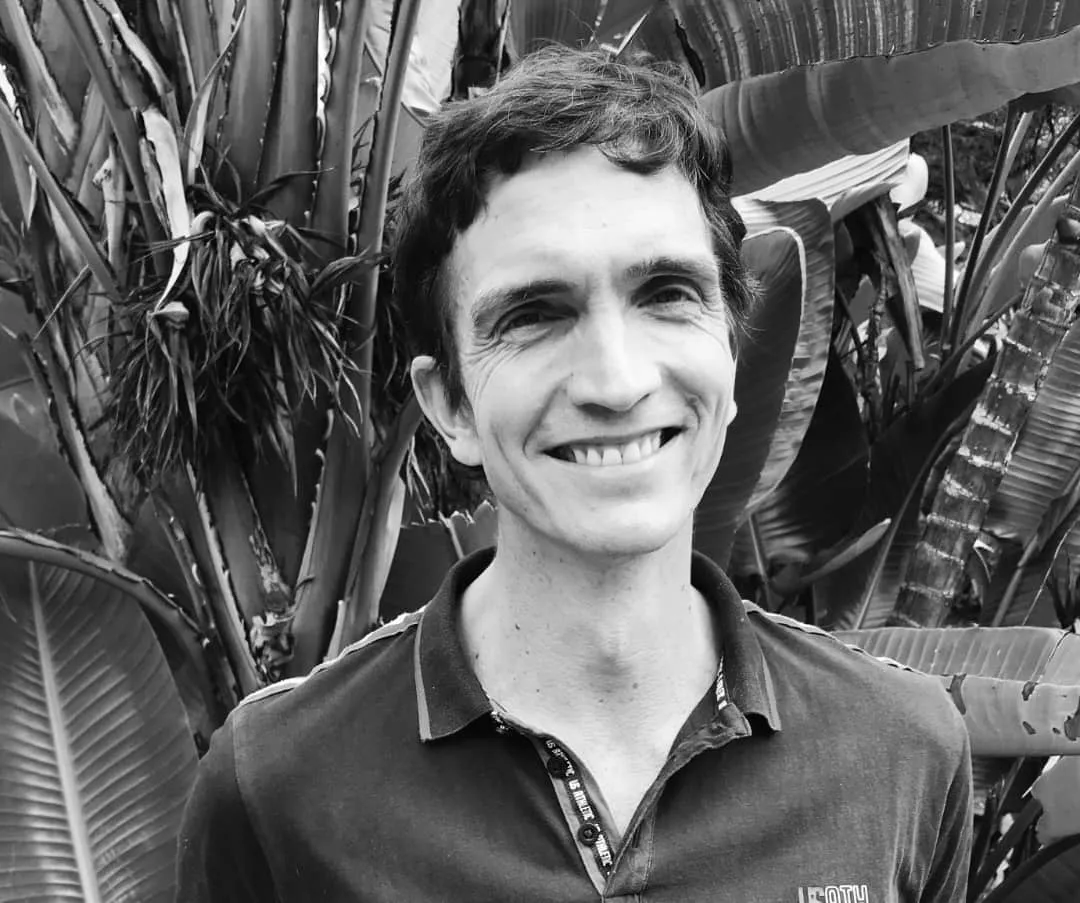
Good news for everyone involved: Mbizah just snagged a prestigious Whitley Award, basically the Oscars of international conservation, from the U.K.'s Whitley Fund for Nature. The prize? A cool £50,000 (roughly $67,500). Let that satisfying number sink in.
We're a new kind of news feed.
Regular news is designed to drain you. We're a non-profit built to restore you. Every story we publish is scored for impact, progress, and hope.
Start Your News DetoxThat cash injection is heading straight to her NGO, Wildlife Conservation Action, to scale up their crucial work. They're expanding into three more rural areas, home to about 4,800 people who are currently navigating the rather tricky business of coexisting with large carnivores.
Part of the plan involves hiring six new Batabilili. These dedicated protectors are out at dawn, scanning for animal tracks and droppings. Their mission? To give farmers an early heads-up about nearby lions or elephants (Loxodonta africana), so livestock can be moved to safety. Because a little warning can mean the difference between peaceful coexistence and a very bad day for everyone.