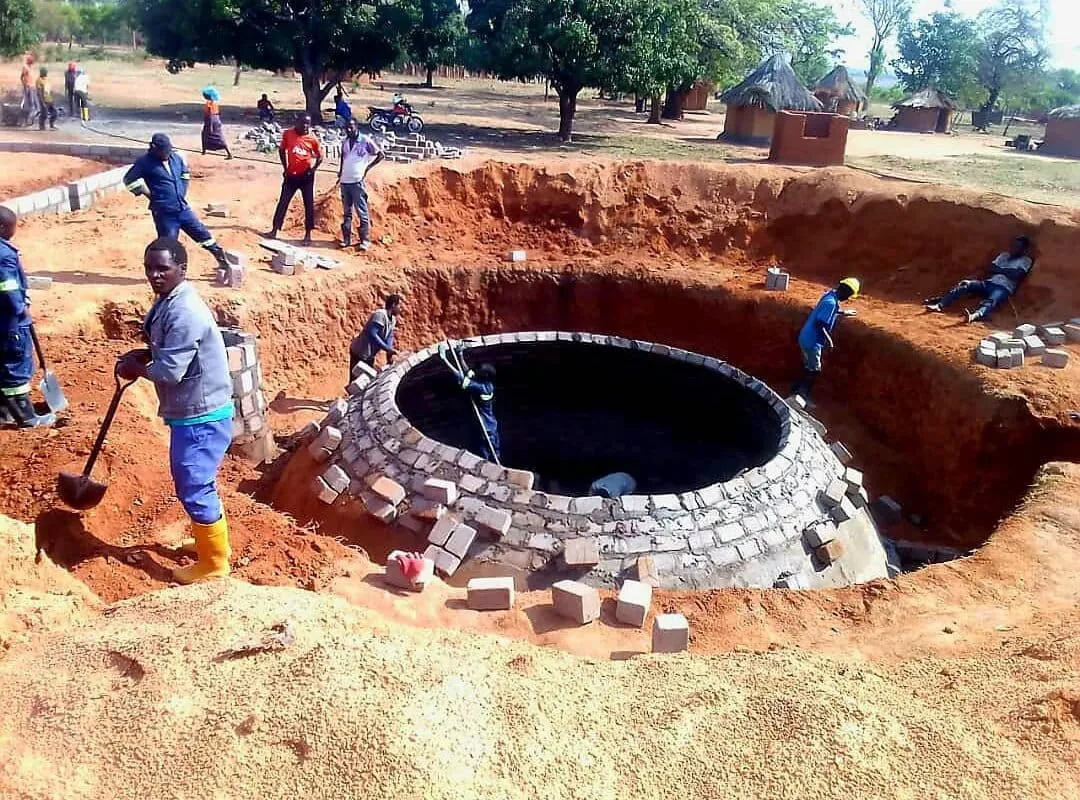
In Nkhundye, a farming village in Zambia, the secret to modern living isn't some fancy tech startup. It's cow dung. Specifically, a community biogas plant that takes waste from a shared livestock enclosure and transforms it into the kind of energy that makes life a whole lot easier.
Imagine: cooking without smoke, irrigation pumps humming to life, and even a little electricity. All thanks to what 300 cattle leave behind. Because apparently, that's where we are now, and it's pretty brilliant.
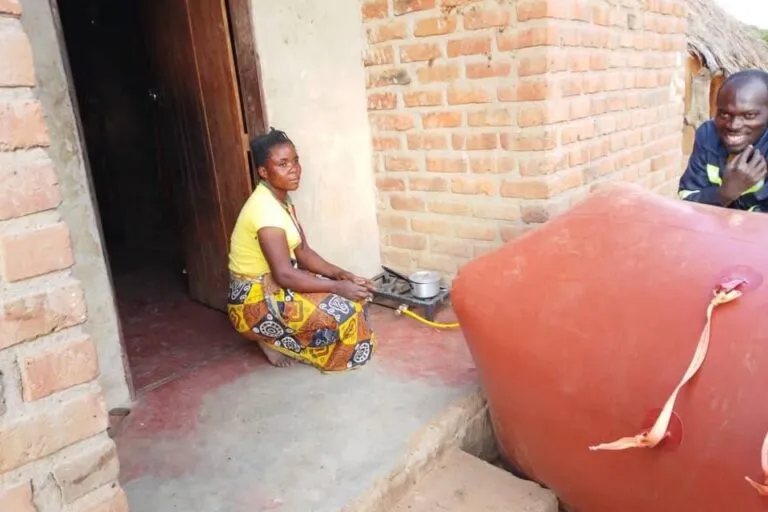
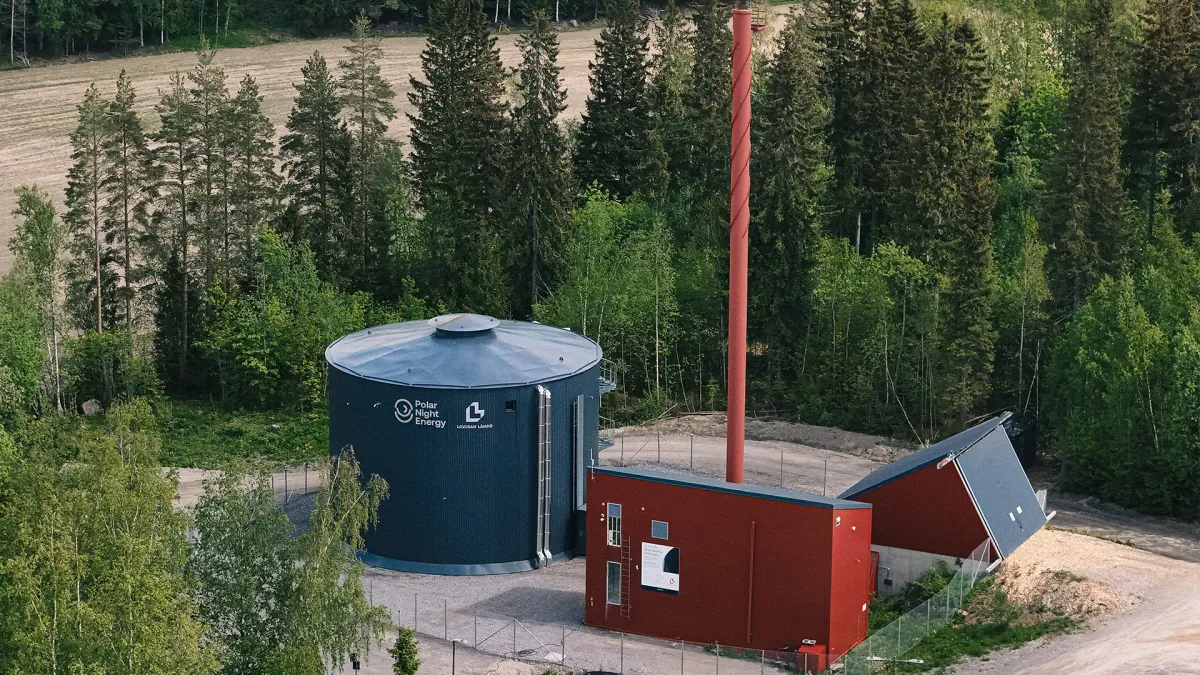
The Nkhundye Community Cooperative manages this earthy power grid. They feed the dung into a biodigester — essentially a giant, sealed stomach for bacteria — which then, without oxygen, breaks down the waste and belches out methane gas. That's the good stuff.
We're a new kind of news feed.
Regular news is designed to drain you. We're a non-profit built to restore you. Every story we publish is scored for impact, progress, and hope.
Start Your News DetoxAs of March 2026, 100 homes were already cooking with this bovine-derived fuel. The cooperative boasts about 600 households, and the plan is to expand the operation until everyone's got their share. And then some nearby communities. Because why stop at just one village when you've got this much... potential?
Homes within a football field's length of the plant get their gas through underground pipes, like some kind of subterranean energy highway. Those a bit farther out? They get storage bags, hand-delivered, with enough methane to keep their stoves burning for three to five days. It's like a gas station, but for your home, and fueled by, well, you know.
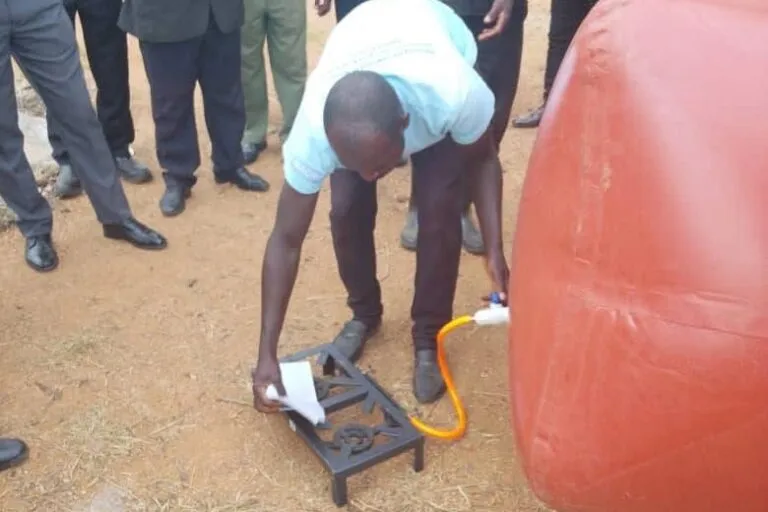
Community members use special stoves, and here's the kicker: all the equipment, including the installation, was given to consumers for free. Connect a valve, some pipes to your storage bag, and you're good to go. Turns out, the future of rural energy might just be incredibly simple, remarkably sustainable, and a little bit stinky at the source.