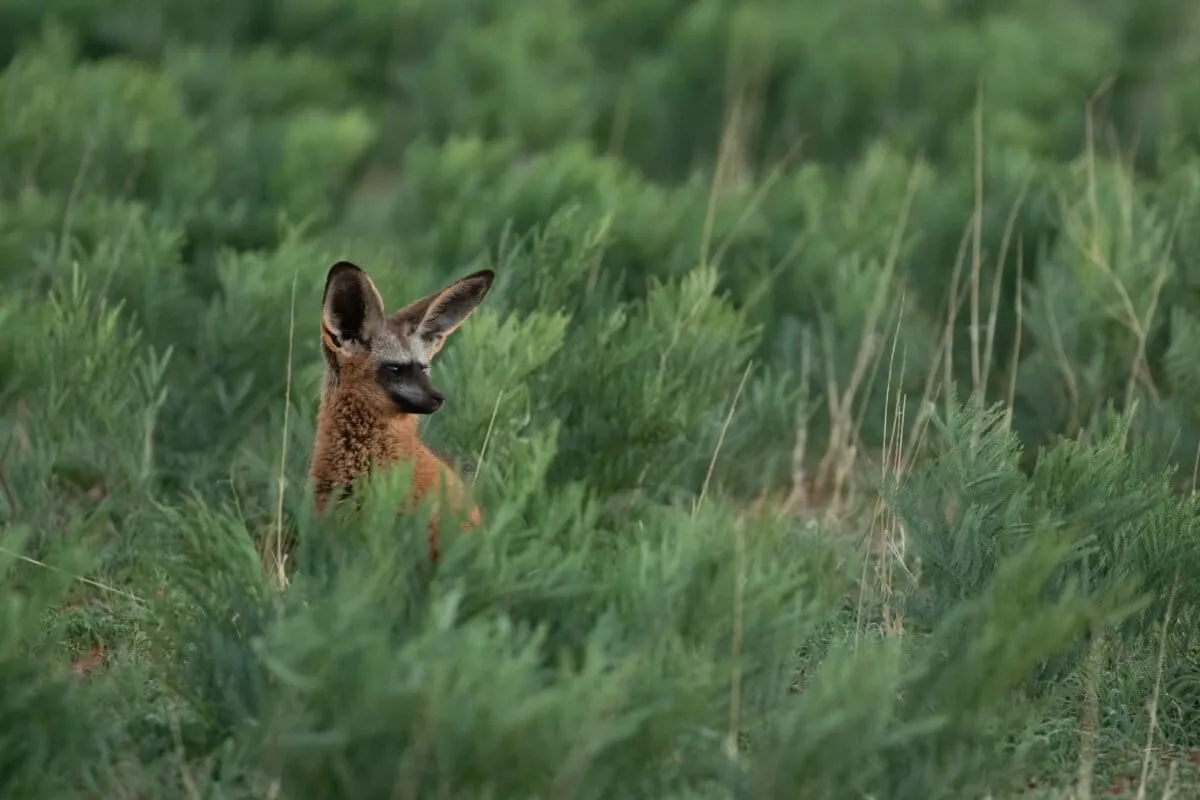
Turns out, fighting climate change might involve a lot more dirt and a lot less tree-hugging than we initially thought. While forests get all the glory (and carbon credit attention), the world's soils are quietly holding onto about three times more carbon. And apparently, they're better at it, too—less prone to going up in smoke or getting logged.
Case in point: South Africa's Tswalu Kalahari Reserve. For decades, they've been busy reintroducing everything from tiny plant-eaters to formidable predators. The result? Not just a thriving ecosystem, but also a growing income stream from carbon markets. Duncan MacFadyen, who heads up research and conservation for Oppenheimer Generations, puts it plainly: Tswalu is proving that rewilding isn't just good for the animals; it’s a powerhouse for pulling carbon out of the atmosphere and making land genuinely productive.
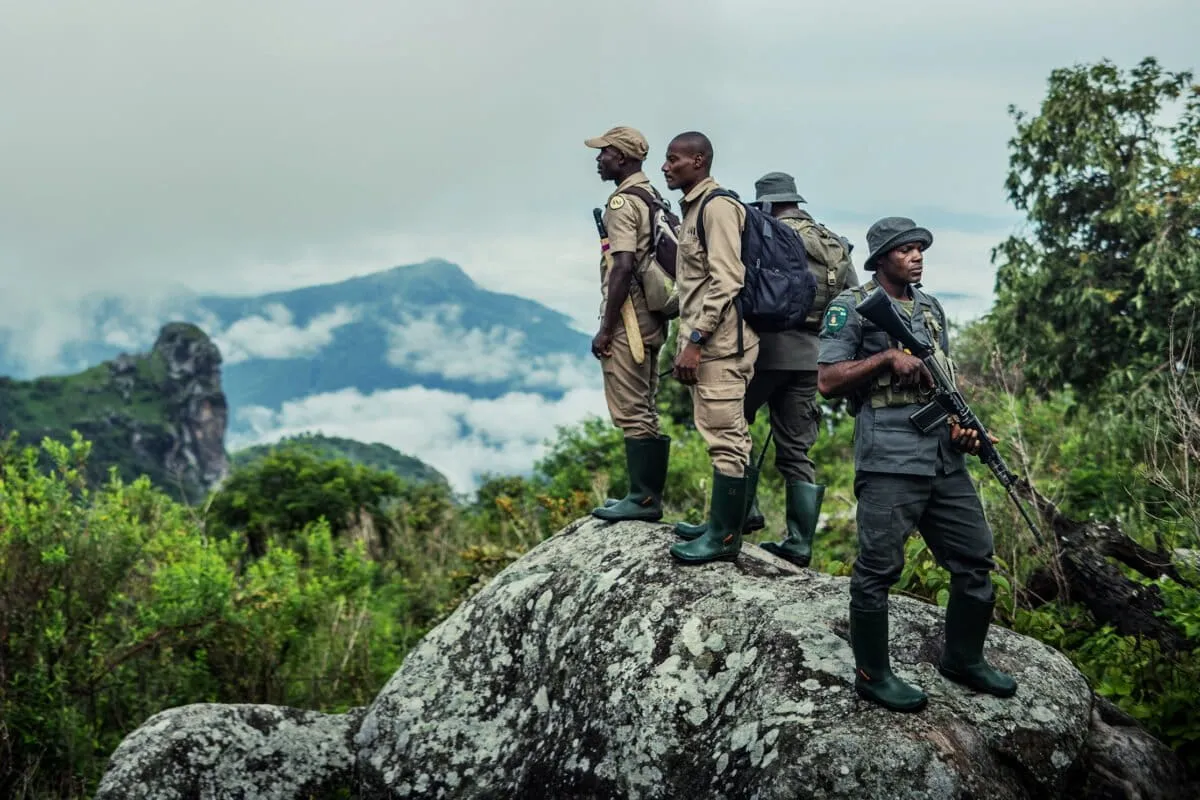
The “Waterless Place” That’s Anything But
This isn't some small backyard project. The Oppenheimer family snatched up the reserve in 1999 and then just… kept buying land. It's now a sprawling 118,000 hectares (that’s 292,000 acres, or larger than Hong Kong, if you like your land comparisons with a side of urban sprawl). Their mission: bring back the original cast of characters—herbivores and their toothy counterparts—to restore the ecosystem and, yes, boost that precious soil carbon.
We're a new kind of news feed.
Regular news is designed to drain you. We're a non-profit built to restore you. Every story we publish is scored for impact, progress, and hope.
Start Your News DetoxThe Kalahari, famously known as “the waterless place,” still manages to pull in 10-50 centimeters (4-20 inches) of rain annually. Which, for a desert, is apparently enough to sustain some truly unique wildlife. Historically, we're talking about springbok antelope herds so vast the San people compared them to the stars in the Milky Way. Early European settlers reported seeing these living carpets stretch 100 miles long and 15 miles wide. Imagine that traffic jam.