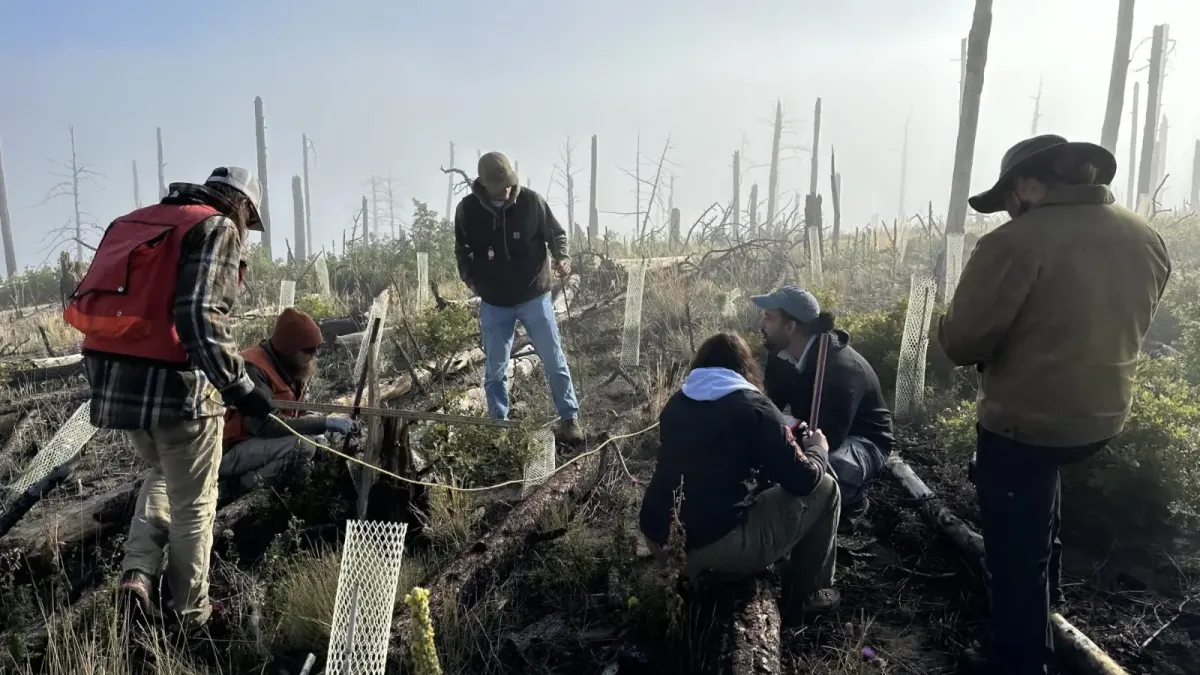
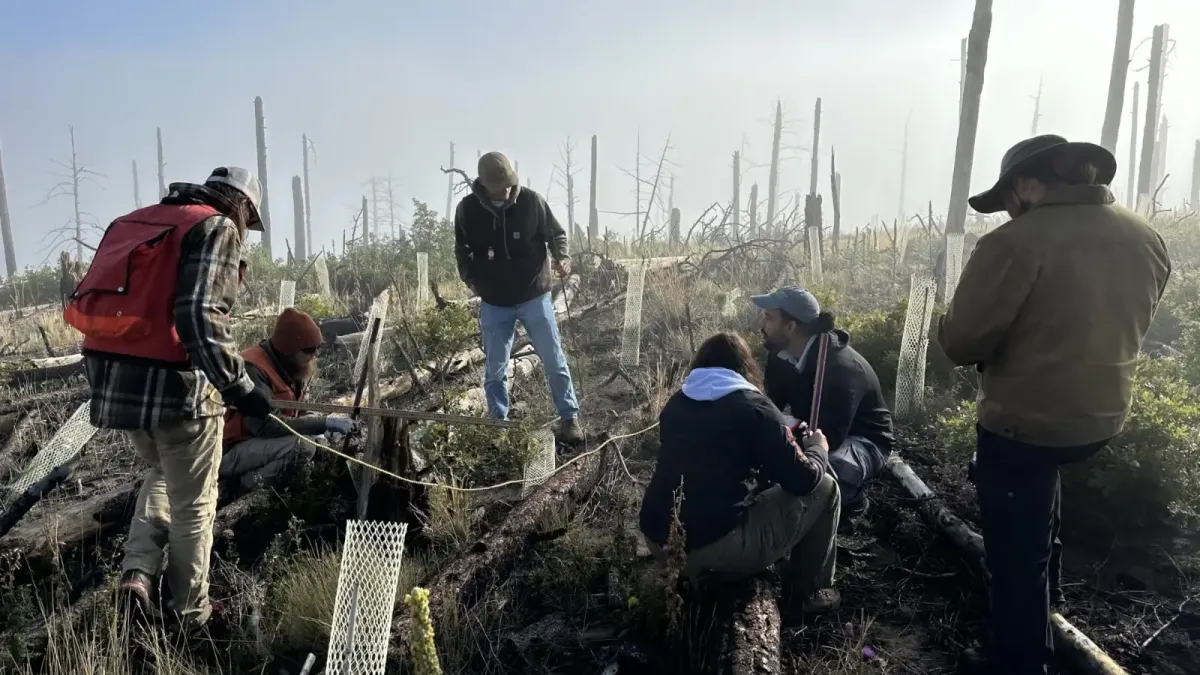
New Mexico is currently staring down an ecological catastrophe that would take 50 years to fix, even if the state's largest wildfire was the only problem. See, the Hermit's Peak-Calf Canyon Fire alone vaporized 17.6 million trees. Trees that stabilize hillsides and protect water sources. And the state's current seedling production? A cool 250,000 per year.
That's a lot of math for "we're in trouble." The current deficit for existing burn scars is 385 million trees. So, New Mexico did what any rational entity would do: they decided to grow a forest.
From Chili Roasters to Giant Greenhouses
Enter the New Mexico Reforestation Center, born in 2022. It's a team-up between the state Forestry Division and a few universities, all geared towards one goal: making enough baby trees to matter. Their secret weapon? A massive new greenhouse facility, soon to span 155,000 square feet.
We're a new kind of news feed.
Regular news is designed to drain you. We're a non-profit built to restore you. Every story we publish is scored for impact, progress, and hope.
Start Your News DetoxThis isn't just about planting a few saplings. It's about processing over 1,500 pounds of native seeds. And yes, they're using a repurposed chili roaster to extract seeds from cones. Because apparently, that's where we are now. Jennifer Auchter, the center's director, says this new operation will more than triple the state's current seedling production. Which, if you think about it, is both impressive and slightly terrifying given the scale of the problem.
Trees, it turns out, are basically water infrastructure. Especially in the Southwest, where 70% of the water supply comes from forest snowpack. No trees, no snowpack. No snowpack, no water. Simple, yet devastating.

Preparing for a Hotter, Drier Tomorrow
But it's not enough to just grow trees; they have to survive. Researchers at the University of New Mexico are using models to predict seedling survival, planning for the climate of 2100, not today. Talk about long-term vision. They're even "drought conditioning" seedlings at New Mexico State University, giving ponderosa pines less water to toughen them up. They've also found that planting aspen seedlings next to a log for shade helps them thrive. Because everyone needs a little shade.
Auchter points out that what works for reforestation in the lush Pacific Northwest isn't going to cut it in the arid Southwest. They need regionally appropriate seeds and genetics. No Idaho imports trying to make it in the desert.
This isn't just a New Mexico problem either. The center's seedlings could also help northern Arizona and parts of Colorado. And they're trying to unite all the disparate groups currently working on reforestation in the region, because apparently, everyone's been doing their own thing in separate corners.
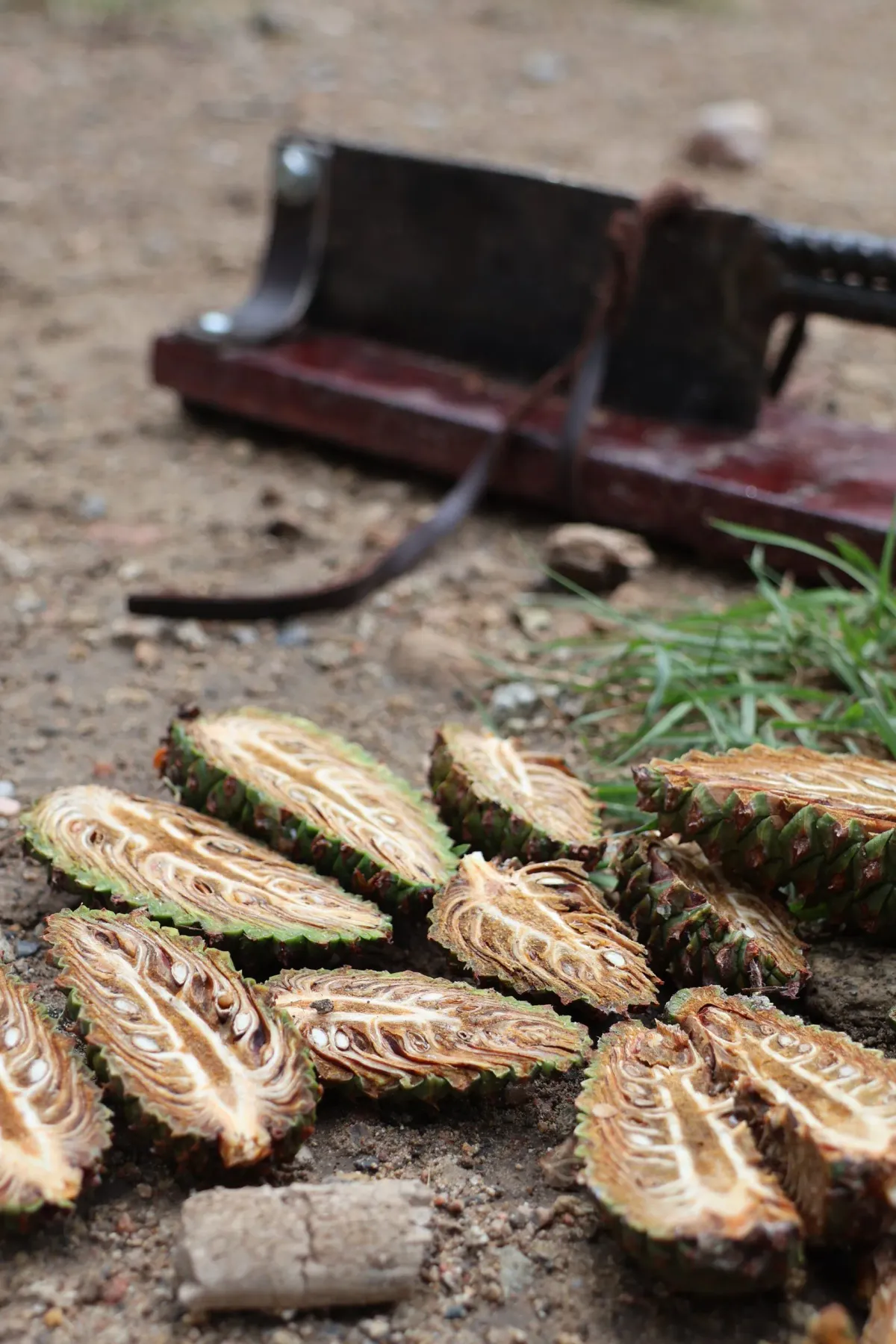
There's also the often-overlooked heroism of seed collection, a tedious, back-breaking process highlighted by New Mexico Highlands University. It's not just a greenhouse; it's an entire ecosystem of effort. And to keep the next generation invested, students who lived through wildfires are visiting the seed collection facility, creating art, and watching the very seeds they touched grow into future forests. Because nothing says "conservation" like seeing your artwork literally become a tree. Now that's a field trip.