Turns out, some of the world's most sophisticated aquaculture systems aren't new — they're ancient. We're talking 6,600 years old, tucked away in western Victoria, Australia, where Indigenous people were farming eels thousands of years before anyone else thought to write it down.
This isn't just a cool historical tidbit; it's a mic drop for archaeologists. For a long time, the prevailing (and rather short-sighted) belief was that pre-colonial Indigenous populations were solely nomadic hunter-gatherers. Well, the Budj Bim Cultural Landscape, with its intricate network of eel traps and channels, just proved that theory delightfully wrong.
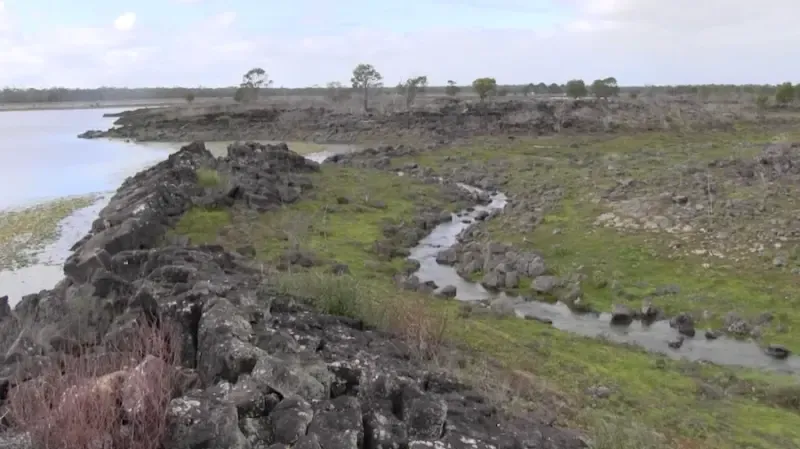
The Budj Bim Revolution
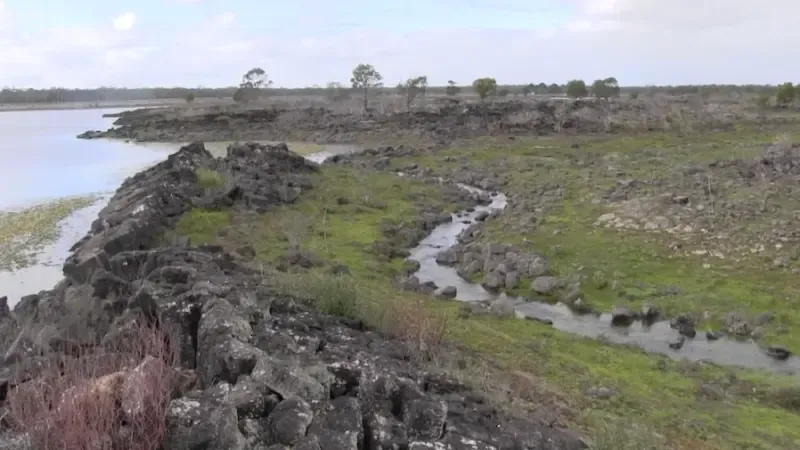
The Budj Bim site, centered around an inactive volcano and its ancient lava flows, was added to the UNESCO World Heritage List in 2019. It was the first site recognized solely for its cultural importance, which, if you think about it, is a pretty big deal. And for good reason: the Gunditjmara people, the traditional Indigenous owners, didn't just 'live off the land.' They were actively engineering it.
We're a new kind of news feed.
Regular news is designed to drain you. We're a non-profit built to restore you. Every story we publish is scored for impact, progress, and hope.
Start Your News DetoxImagine: stone channels, weirs, and dams, all built to manage water flow and create the perfect conditions for harvesting eels. Carbon-dating puts some of these ingenious structures at around 6,600 years old. To put that in perspective, that's older than Stonehenge, older than the pyramids of Giza, and definitely older than your grandma's secret family recipe for eel pie.
Professor Ian J. McNiven, an Indigenous Archaeology expert, points out that these weren't just temporary setups. The Gunditjmara were modifying entire environments to ensure a reliable supply of eels. Near these aquaculture systems, archaeologists have also found about 300 stone-walled structures that look suspiciously like permanent houses. Which suggests, you know, people lived there — not just passed through.
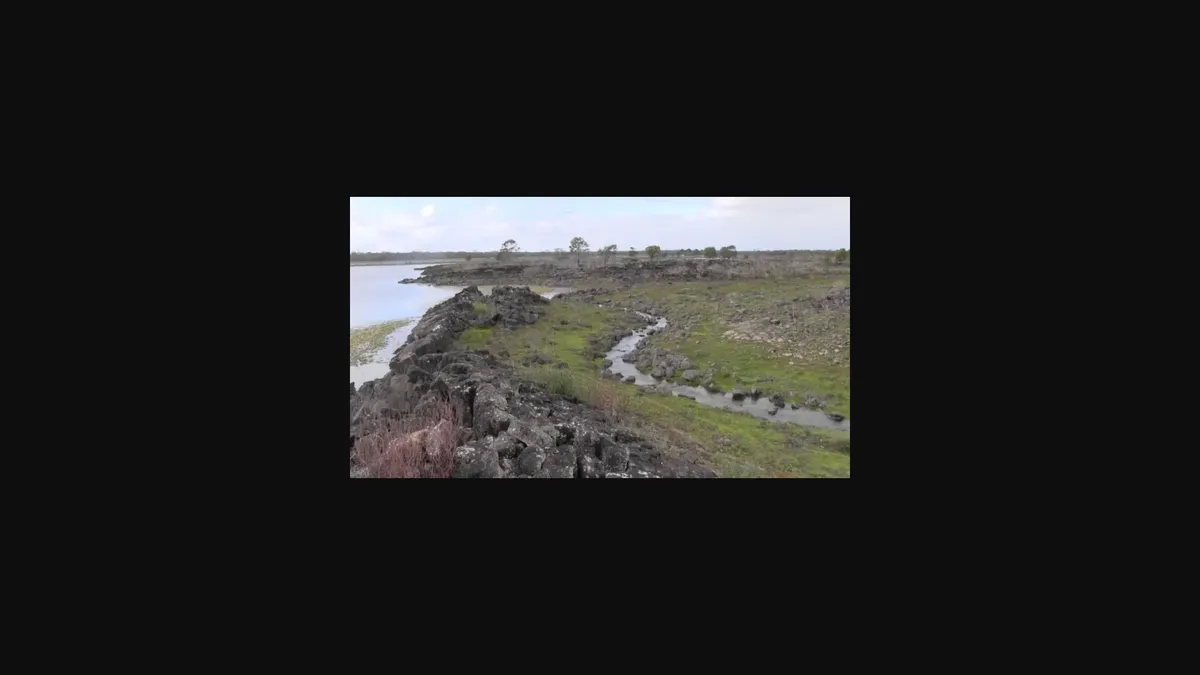
Today, the Winda-Mara Aboriginal Corporation offers tours of these incredible sites, led by Gunditjmara guides. You can even visit the Tae Rak Aquaculture Center at Lake Condah, see the stone tanks, and, yes, taste eel at their bush tucker cafe. Because apparently, 6,600 years of culinary tradition is something worth trying.
So, next time someone talks about "ancient history," you can casually mention the Gunditjmara and their eel farms. Not only did they create one of the world's oldest and most efficient food production systems, but they also just schooled the history books. All while being linked to one of the world's oldest creation stories. Pretty impressive for a group once dismissed as 'simple' hunter-gatherers.