Imagine thinking a plant was gone forever, vanished from the face of the Earth for six decades. Then, poof, it reappears, not in some grand scientific expedition, but on a phone app, uploaded by a guy who was just trying to band some birds. Because apparently that's where we are now.
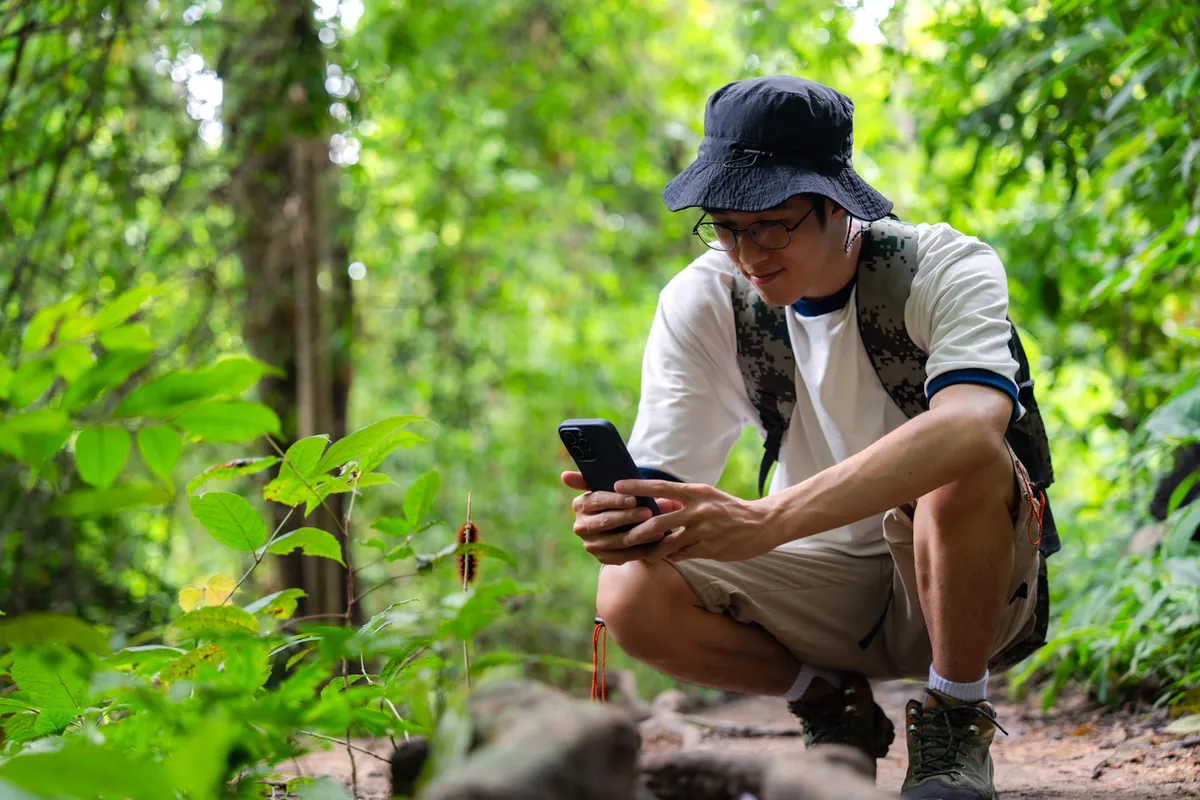
This particular botanical Lazarus, Ptilotus senarius (try saying that five times fast), resurfaced in a remote corner of northern Queensland, Australia. The hero of our story? Aaron Bean, a horticulturalist who also moonlights as a bird bander. He spotted a peculiar plant, snapped some pics, and, once he had a signal again, uploaded them to iNaturalist, the citizen science platform where everyday folks become accidental botanists.
His photos landed in front of Anthony Bean (no relation, which is a missed opportunity for a truly great family reunion story), a botanist at the Queensland Herbarium. Anthony immediately recognized the delicate shrub with its slender stems and purple-pink flowers. He should recognize it — he'd described the species himself ten years prior. The catch? It hadn't been seen since 1967 and was officially on the 'extinct' list.
We're a new kind of news feed.
Regular news is designed to drain you. We're a non-profit built to restore you. Every story we publish is scored for impact, progress, and hope.
Start Your News DetoxThomas Mesaglio from UNSW, who chronicled this whole affair, called it "very serendipitous." Which is a fancy way of saying, "The universe decided to be helpful for once."
The Power of a Picture
This isn't just a feel-good story for plant enthusiasts; it's a testament to the quiet revolution of citizen science. While scientists are out there doing important science things, millions of regular people are uploading their observations, essentially crowdsourcing biodiversity data. Australia, a continent so vast you could lose several small countries in its backyard, benefits immensely. Scientists can't be everywhere, and a third of the land is privately owned, making official expeditions tricky. But your average landowner with a smartphone? Suddenly, the scientific frontier expands.
So, if you're feeling inspired to become an accidental hero yourself, scientists have some tips. Don't just snap a close-up of a pretty flower. Get the whole plant, the bark, the leaves. Note the soil, nearby flora, any pollinators. Even the scent can be a clue. The more detail, the more useful your record. Because you never know, your next blurry phone photo might just bring something back from the dead.
Mesaglio's research highlights that iNaturalist data has already been used in studies across 128 countries and thousands of species. Which, if you think about it, is both impressive and slightly terrifying. Imagine accidentally discovering a new species while trying to get a good shot of your dog. It's truly a brave new world for botanists, bird banders, and anyone with a camera roll full of curiosities.