Vietnam's rugged karst forests just coughed up a brand new gecko species. That's right, a new one. Which, if you're keeping score, brings their grand total to a dozen different gecko species. Because apparently, these often-overlooked landscapes are just overflowing with life.
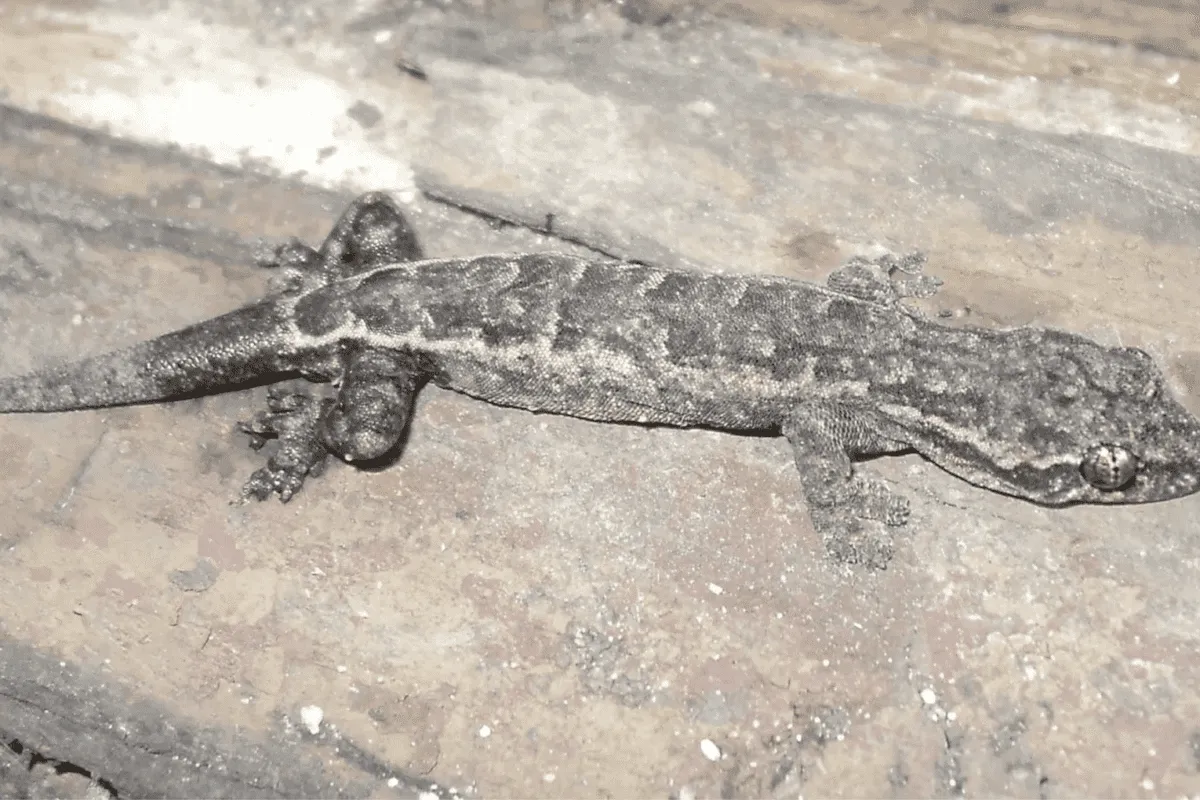
Meet Ziegler's Slender Gecko (Hemiphyllodactylus ziegleri). Discovered doing its thing in the Copia Nature Reserve, it's a tiny, yellowish-grey creature that mostly comes out at night to cling to limestone cliffs. One even had the audacity to chill on an electric pole in a cornfield. Which, honestly, is peak gecko energy.

The gecko is named after Thomas Ziegler, a German biodiversity legend. Because, let's be real, if you're going to name a new species, it better be after someone who's put in the work.
We're a new kind of news feed.
Regular news is designed to drain you. We're a non-profit built to restore you. Every story we publish is scored for impact, progress, and hope.
Start Your News DetoxThe Art of the 'Cryptic' Critter
Minh Le, a co-author from Vietnam National University, called the find "exciting" but also admitted the team wasn't exactly shocked. Why? Because these are "cryptic geckos." Which sounds like a secret society, but really just means they look almost identical to other species. Nature's way of saying, "Don't judge a book by its cover, or a gecko by its scales."
Le expects more of these doppelgänger geckos to pop up. Because while they might fool the casual observer, their DNA tells a different story. This new guy? A whopping 14% genetically different from its closest relatives. That's like finding out your identical twin is actually a distant cousin from a parallel universe.

In fact, 85% of species in this particular gecko group have only been officially described in the last decade. Meaning scientists have been busy playing catch-up with what's been hiding in plain sight. The only catch? Many of these newly identified species are already facing habitat loss. So, while we're busy discovering them, their homes are busy disappearing. A classic "it's complicated" situation, even for a gecko.