Imagine being an archaeologist, carefully sifting through centuries of dirt, and then — bam — you find a perfectly preserved, 2,000-year-old Roman loaf of bread. Not a crumb, not a fossilized grain, but an actual, honest-to-goodness loaf. That's precisely what happened in Vindonissa, Switzerland, at an early Roman military camp.
This isn't just any old bread. It's the first Roman bread ever found in Switzerland, unearthed during a survey for new housing development. Because apparently, even 2,000-year-old carb finds have to make way for modern amenities. The site itself is a big deal, a nationally important Roman history hotspot where people have been digging up amazing legionary artifacts for over a century.
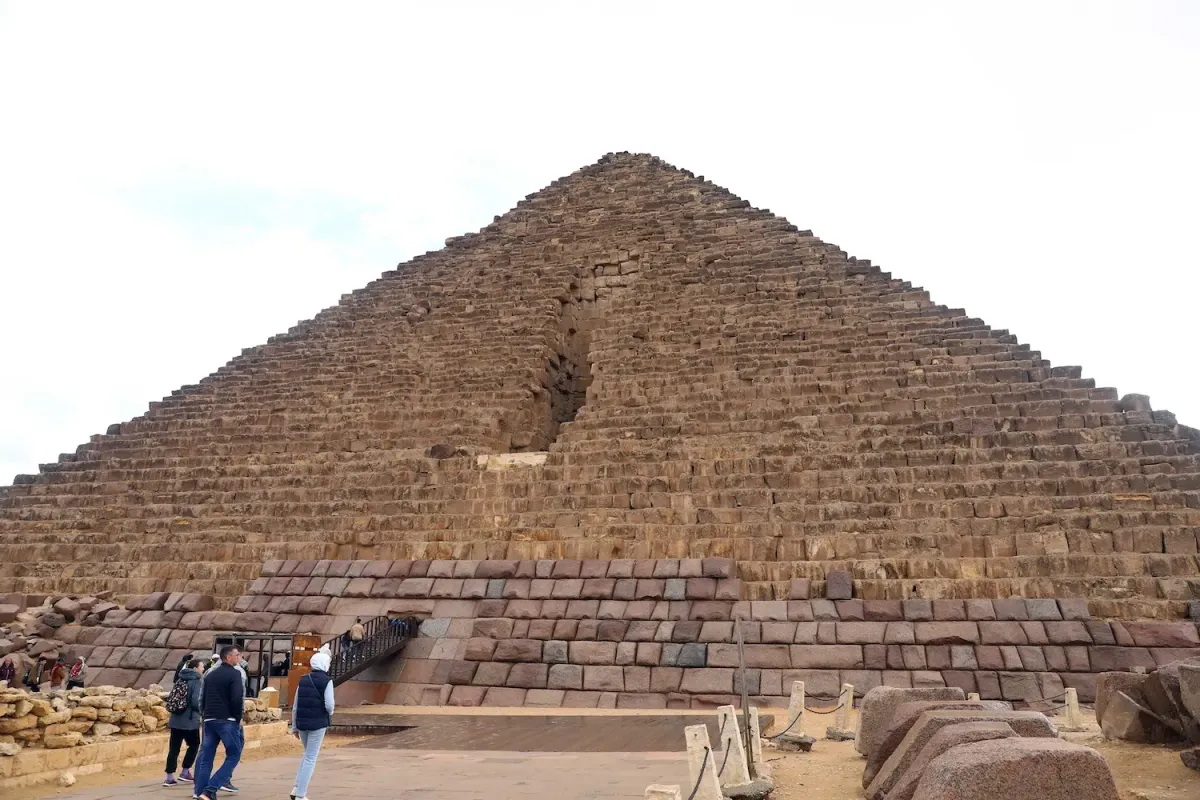
Turns out, this ancient military camp in Winsch has been holding out on us, revealing its earliest secrets only now. It's a major moment for archaeologists, especially after finding V-shaped ditches that match those discovered 90 years ago. These fortifications, stretching 1,312 feet, are older than the 1st-century legionary camp Vindonissa is famous for. What started as a temporary military base clearly decided to put down roots, eventually growing into a permanent outpost.
We're a new kind of news feed.
Regular news is designed to drain you. We're a non-profit built to restore you. Every story we publish is scored for impact, progress, and hope.
Start Your News DetoxThe big question now is whether Emperor Augustus or his successor, Tiberius, got the credit for expanding this Roman real estate.
The Loaf in Question
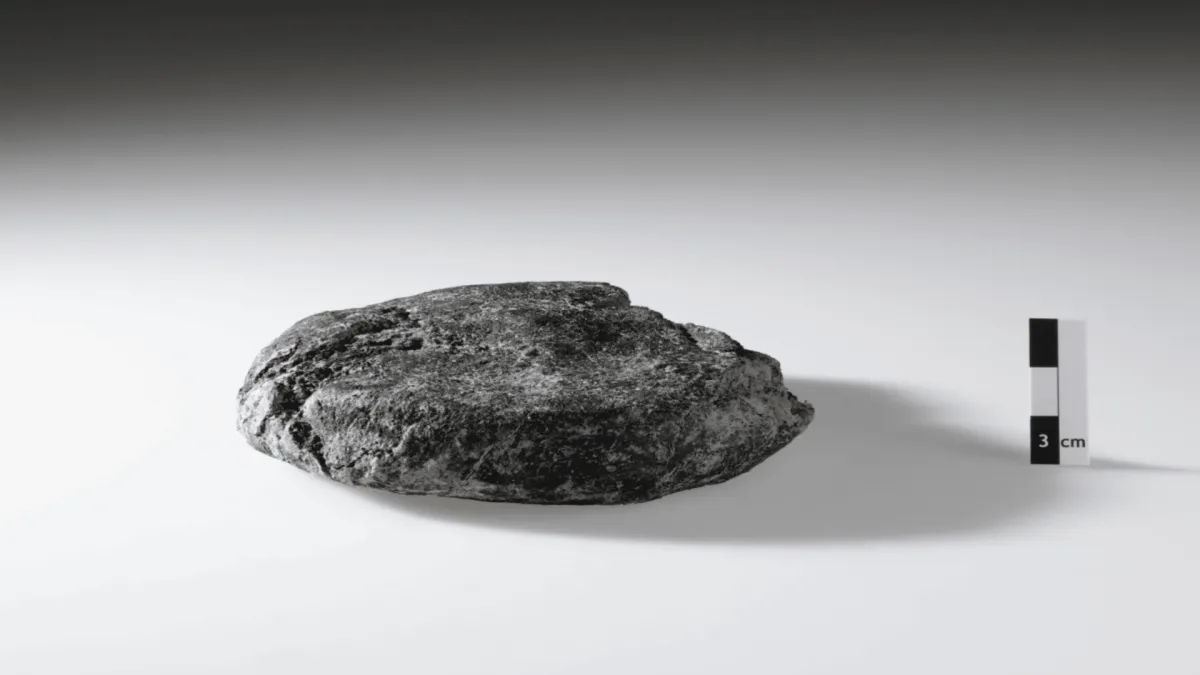
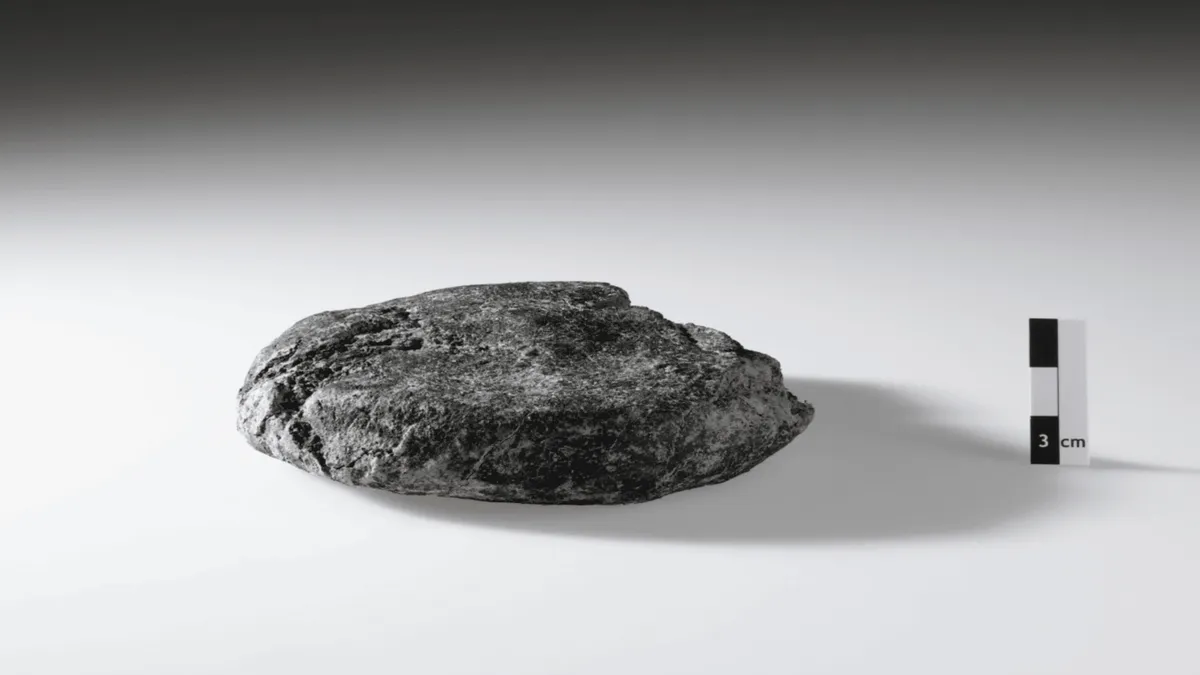
Inside the camp, nestled among spearheads and projectile points, archaeologists stumbled upon a charred black block. Initially just a lump of soil, it was whisked away to the restoration lab. There, with the kind of painstaking care usually reserved for ancient scrolls, they began to remove the dirt.
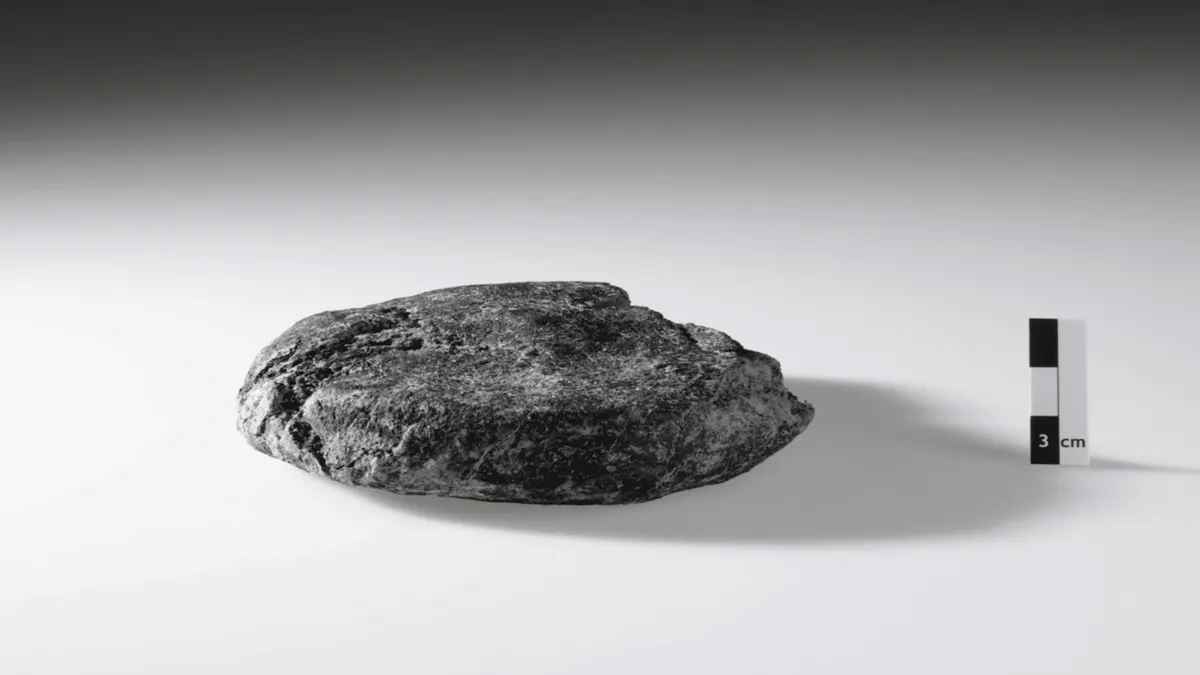
And that's when the magic happened. An archaeobotanist from the University of Basel confirmed it: a loaf of bread, measuring a modest 1.18 inches thick and 3.94 inches in diameter. It's a small flatbread, now slated for a lab in Vienna to uncover its ancient ingredients. We're hoping for a full recipe, naturally.
This accidental, preserved snack highlights Vindonissa's ongoing importance. It's a testament to how one person's forgotten lunch can become an archaeological treasure. The excavation at Zürcherstrasse will wrap up in July 2026, but if you're keen to see where history (and bread) was made, the site will open to the public on May 9, 2026. Because connecting the present with the Roman past often involves a really old snack.