Imagine a magnet that's all business on the inside—super strong, highly organized—but completely chill on the outside. No messy magnetic fields radiating out, causing trouble. That's precisely what an international team, led by DTU, just cooked up: a new magnetic material with a stable internal magnetic structure and virtually no external field. And it keeps this neat trick well above room temperature. Because apparently, that's where we are now.
This isn't just a cool party trick for magnets. It's a potential game-changer for future electronics, especially in a field called spintronics. Think of spintronics as the future where your gadgets process information using magnetic properties instead of just electrical charge. The findings, published in Nature Chemistry, are a big deal.
The Quiet Magnet
Most magnets are a bit… loud. They blast out magnetic interference, which is a headache for cramming more functions into smaller electronic circuits. This new material, a type of compensated ferrimagnet, is the opposite. Its internal magnetic forces point in different directions, mostly canceling each other out. So, while it's buzzing with strong internal magnetism, its external field is whisper-quiet.
We're a new kind of news feed.
Regular news is designed to drain you. We're a non-profit built to restore you. Every story we publish is scored for impact, progress, and hope.
Start Your News DetoxProfessor Kasper Steen Pedersen from DTU Chemistry, who led the team, put it simply: they've created a material with a highly organized magnetic structure, but without the problematic magnetic field that usually gums up the works in electronics. It's like having a perfectly efficient engine that makes no noise.
Today's electronics rely on electrical charge to carry information. But electron 'spin' (the magnetic property) could lead to faster components and drastically lower energy use. The problem has always been finding magnetic materials that don't mess with their neighbors.
Pedersen notes that when you need to pack a lot of functions close together, traditional magnets are a nightmare. But a material that emits almost no magnetic field? That opens up possibilities for components to snuggle up without interference, giving engineers a whole new level of control. Plus, because this magnetism lives in a molecular material, chemists can tweak its magnetic and electronic properties with precision.
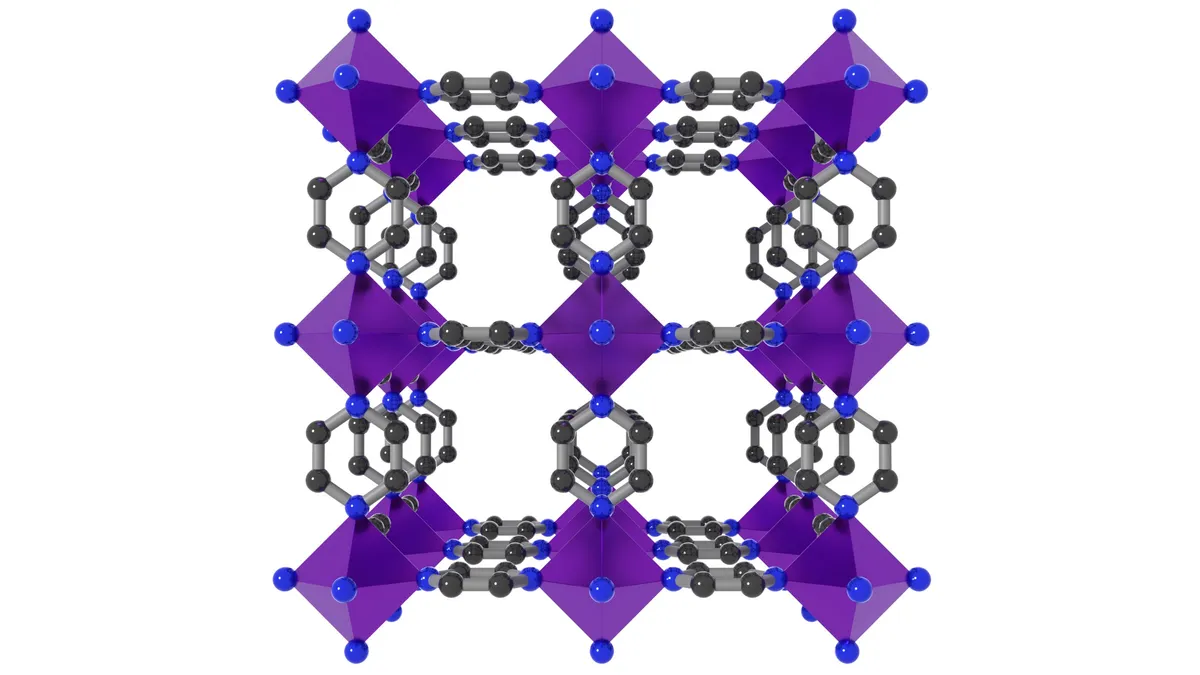
This isn't some exotic metal alloy. It's a metal-organic network where chromium atoms are linked by pyrazine, an organic molecule. This molecular structure allows for chemical design and adjustment, a different approach from the metals and oxides currently used. The pyrazine here acts as a radical, directly contributing to the material's magnetism. Which, if you think about it, is both impressive and slightly terrifying.
Tests show this near-perfect magnetic balance holds stable across a wide temperature range, staying put well above room temperature. This is crucial because most similar materials only behave themselves at very specific temperatures. This new material is ready for more real-world applications.
The researchers are quick to point out this is foundational work—no finished tech just yet. But they've proven it's possible to combine properties that many researchers have been chasing for years. The next steps? Seeing if they can chemically alter its electrical conductivity and whether it can be made into thin films for electronic components. Because who doesn't want their next phone to be powered by quiet, organized magnetism?