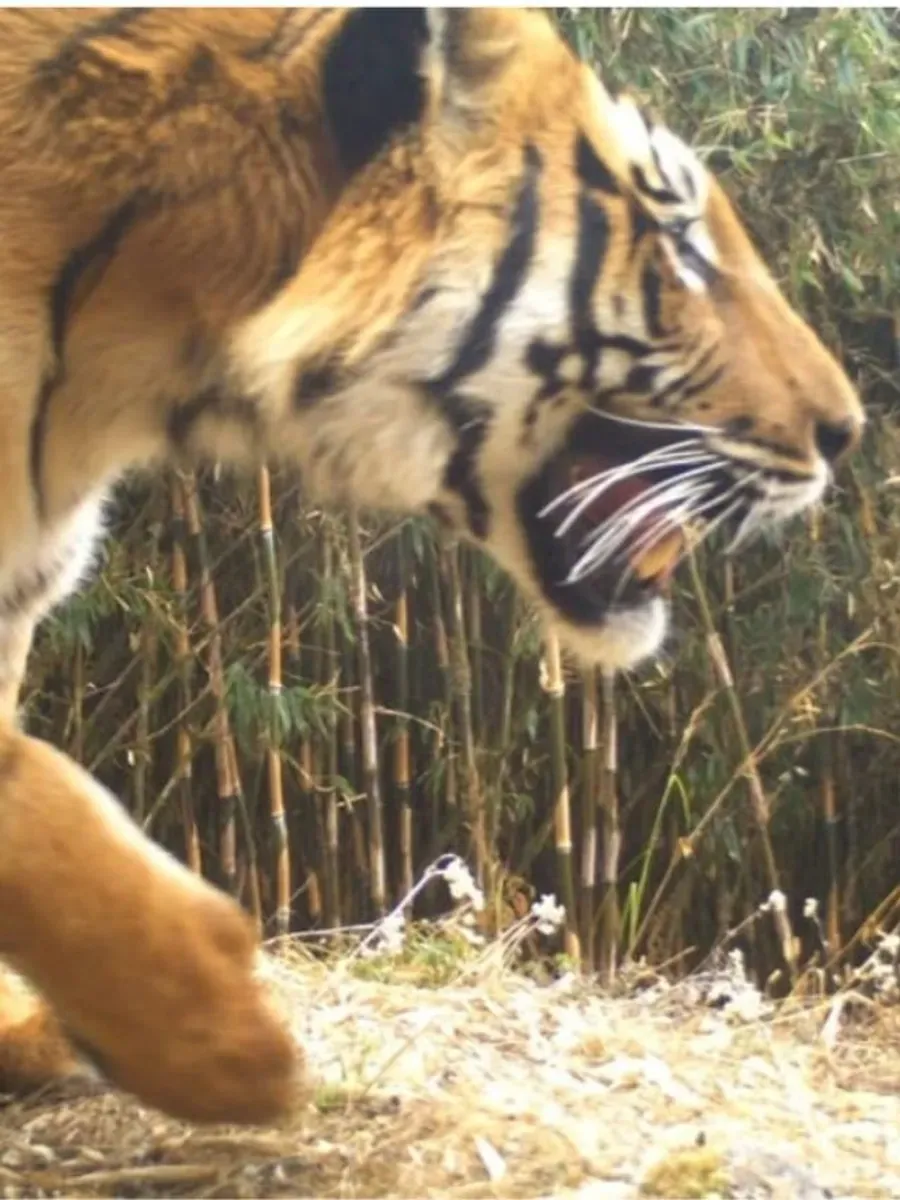
For generations, people in Sikkim have told stories about Ajotak, a tiger believed to roam the high-altitude forests. Locals saw it as a guardian spirit. Now, thanks to camera traps and field surveys, this legend has become real.
Ajotak means "Uncle Tiger" in Sikkimese folklore. It is revered as a guardian in Buddhist beliefs. Its story has been passed down through generations in areas like Pangolakha, Kyongnosla, Naga, Chungthang, and Lachung.
For decades, no one could confirm if Ajotak truly existed. Then, a project supported by IUCN Save Our Species and documented by the Global Tiger Forum began to search for answers.
We're a new kind of news feed.
Regular news is designed to drain you. We're a non-profit built to restore you. Every story we publish is scored for impact, progress, and hope.
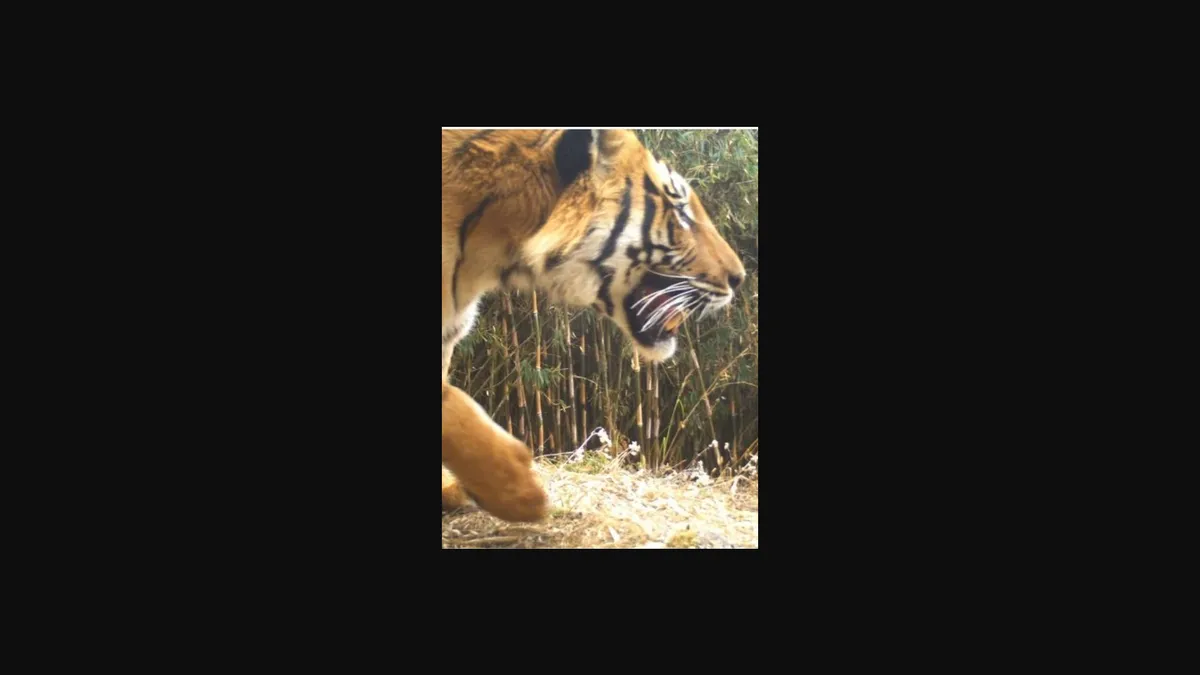
Start Your News DetoxCamera traps and field surveys finally revealed the tiger. It was moving through East Sikkim’s Pangolakha and Kyongnosla sanctuaries. These areas were once thought to be unreachable for tigers. The legend was real.
Tigers were not the only animals found. Himalayan serow, goral, barking deer, and sambar also shared the snow-covered ridges. This showed a hidden network of life thriving in Sikkim’s high forests.
Community Takes Action
Over 600 forest staff and community volunteers were trained to monitor tigers and manage conflicts. This group included women and young people. Locals became the guardians of Ajotak’s home, turning old stories into active care for the environment.
Villages at the edge of the forest once faced problems like crop raids and livestock losses. Now, they receive support. Greenhouses and alert systems help families grow food safely. This allows the tiger to roam freely, bringing balance back to the shared landscape.
Hidden dangers, such as feral dogs, have also been addressed. Vaccination and sterilization drives help control their numbers. Eco-bins reduce waste that could harm wildlife.
The upgraded Nature Interpretation Centre now shares Ajotak’s story with children, tourists, and locals. Interactive panels and visuals show how the tiger's survival is linked to the health of the entire ecosystem.
Ajotak was once just a figure of folklore. Now, it is a symbol of successful conservation. With international cooperation across Himalayan countries, Sikkim’s tigers have a brighter, protected future.