For decades, burning coal has been the energy equivalent of that friend who means well but leaves a trail of environmental chaos. Massive carbon emissions, air pollution, and an efficiency rating that makes you sigh. But what if you could get all the energy from coal without, you know, setting it on fire?
That's the wild idea a research team led by Xie Heping at Shenzhen University in China just pulled off. They've developed something called a zero-carbon-emission direct coal fuel cell (ZC-DCFC). The name is a mouthful, but the concept is elegant: treat coal not as fuel to burn, but as a giant battery waiting to be tapped.
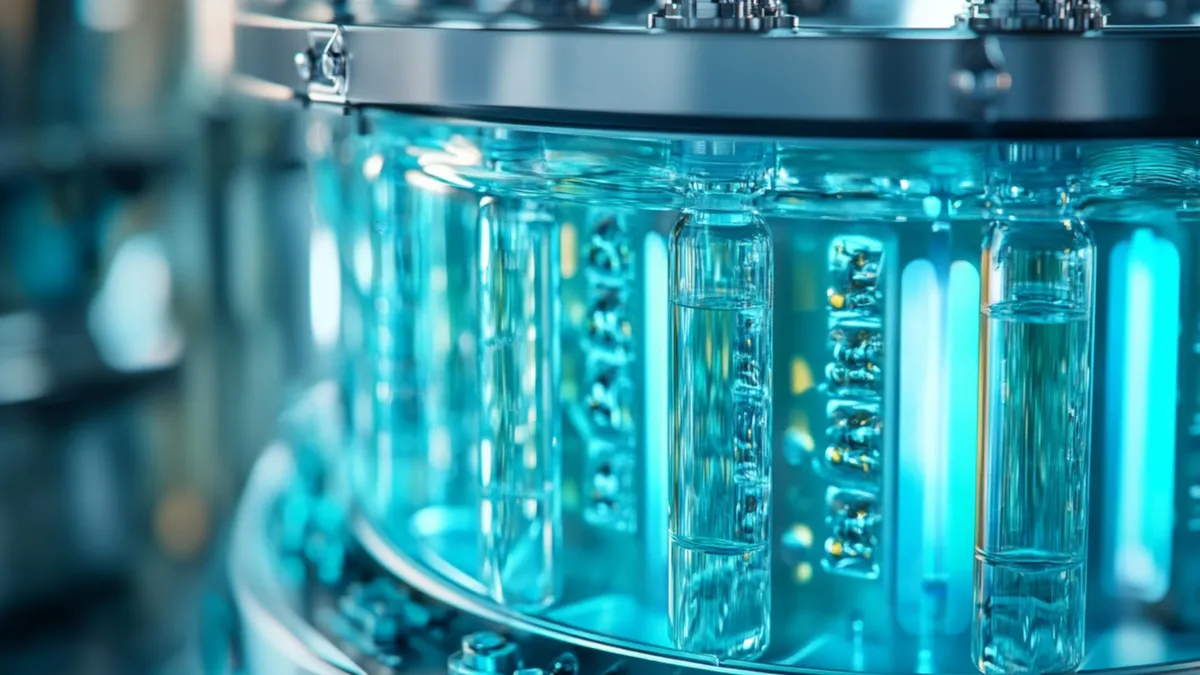
This isn't some minor tweak to a power plant. This system completely bypasses combustion, which is like solving a puzzle by throwing out half the pieces. Instead, it converts coal's chemical energy directly into electricity, sidestepping the whole carbon dioxide release problem that usually comes with coal like a clingy shadow.
We're a new kind of news feed.
Regular news is designed to drain you. We're a non-profit built to restore you. Every story we publish is scored for impact, progress, and hope.
Start Your News DetoxNo Flames, Just Electrons
So, how does this magic trick work? First, the coal gets a spa treatment: ground into a fine powder, dried, cleaned, and generally prepped to be as reactive as possible. It then goes into the anode side of a fuel cell, while oxygen heads to the cathode.
Inside, the coal particles react directly through an oxide membrane, triggering an electrochemical reaction that generates electricity on the spot. No need for steam. No giant, spinning turbines. Just a quiet, efficient conversion. The carbon dioxide that is produced by the reaction isn't just released into the atmosphere to wreak havoc. It's captured on-site and can then be turned into useful chemicals or even stabilized into something as innocuous as baking soda.
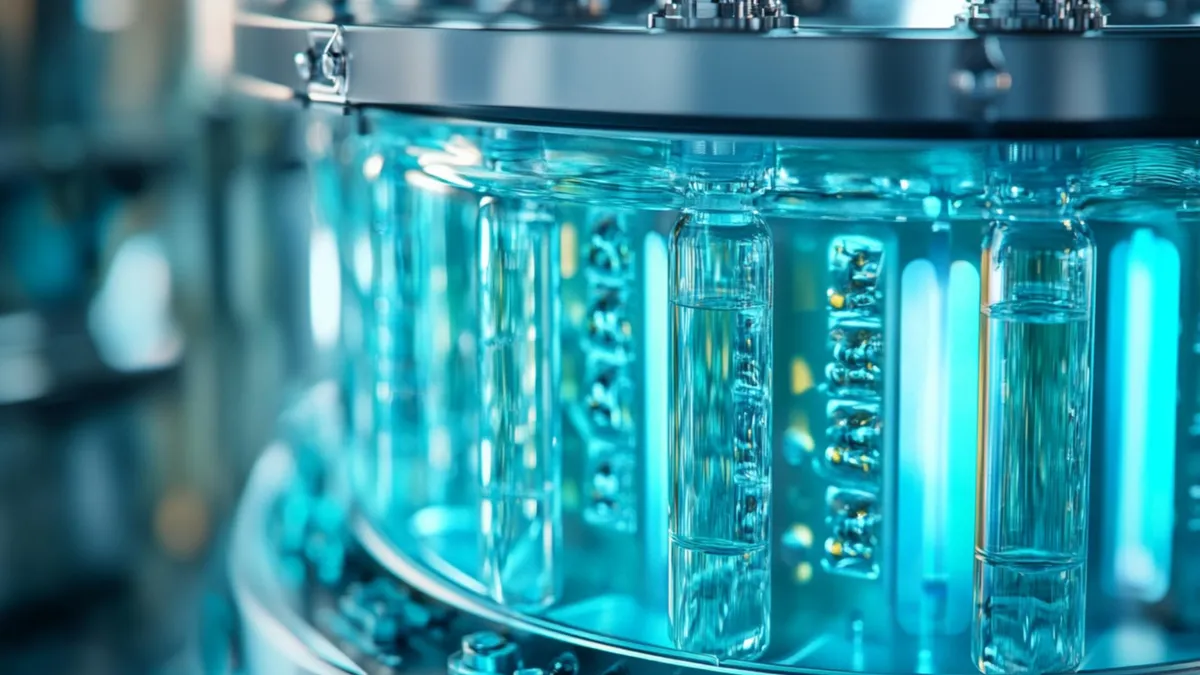
Traditional coal plants, by contrast, are a bit like Rube Goldberg machines. They burn coal to make heat, which makes steam, which spins turbines, which finally makes electricity. This indirect, heat-engine-based process is famously limited by physics (the Carnot efficiency, for the science-curious), capping their efficiency at around 40%.
The ZC-DCFC, by avoiding all that heat loss, theoretically blows past those limitations, promising much higher efficiency. Since 2018, Xie's team has been relentlessly refining the technology, tackling everything from material durability to ensuring a steady coal supply. They've made significant strides in power output and lifespan, which were major hurdles for older direct carbon fuel cells.
But here's the kicker: Xie also envisions this system working underground. We're talking 1.2 miles deep in coal seams. Instead of the expensive, messy business of mining coal and hauling it to the surface, the ZC-DCFC could generate electricity right there, sending only the power up. Which, if you think about it, is both impressive and slightly terrifying, in the best possible way. Because apparently that's where we are now.