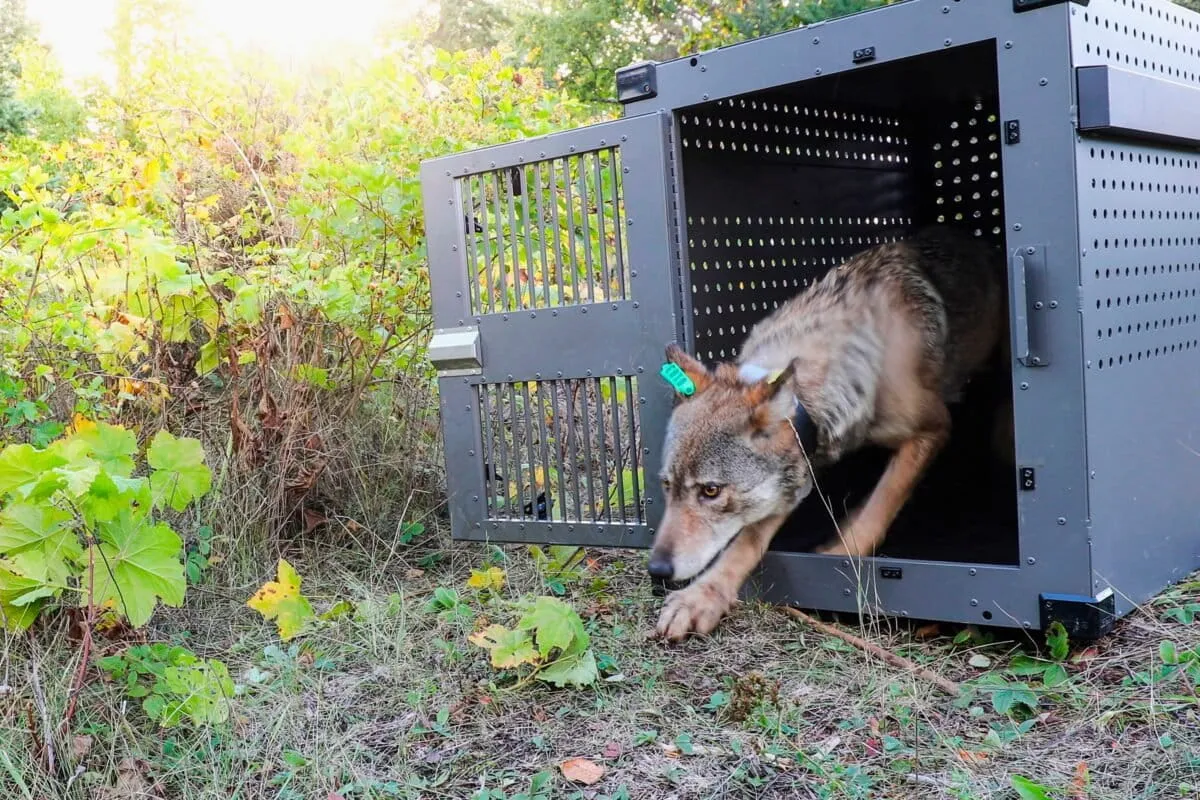
Good news, everyone: the wolves on Isle Royale, that remote speck of land in Lake Superior, are doing great. Less good news, if you happen to be a moose: they're doing great because they're eating a frankly absurd amount of you.
This is all according to a new report from Michigan Tech University, which keeps tabs on this natural, predator-prey drama unfolding on the 134,000-acre national park. Isle Royale is basically a giant, wild petri dish where scientists can watch wolves and moose do their thing, largely unbothered by humanity. Except, you know, for the scientists.

Researchers have been counting the island's toothy residents since 1958, typically braving the brutal winters when the park is closed to visitors. But the past few years have thrown some curveballs that would make even the most seasoned field biologist raise an eyebrow.
We're a new kind of news feed.
Regular news is designed to drain you. We're a non-profit built to restore you. Every story we publish is scored for impact, progress, and hope.
Start Your News DetoxFirst, the pandemic shut down the 2021 survey. Then, in 2024, the kind of unseasonably warm weather that makes you wonder about everything forced the team to bail mid-survey. Turns out, when you rely on ski-planes to track wildlife and your island has no runway, you need solid ice to land on. Warm weather and ice? Not exactly a match made in heaven.
And just for good measure, last year's survey got canceled because their pilot had a medical emergency. You can't make this stuff up. But this year, against all odds, a Michigan Tech team successfully completed their count between January 22 and March 3. The grand total? A healthy, if slightly terrifying (if you're a moose), 37 wolves.

Let that satisfying number sink in. These wolves are clearly making up for lost time, and the moose population is feeling it. Which, if you think about it, is both impressive and slightly terrifying.