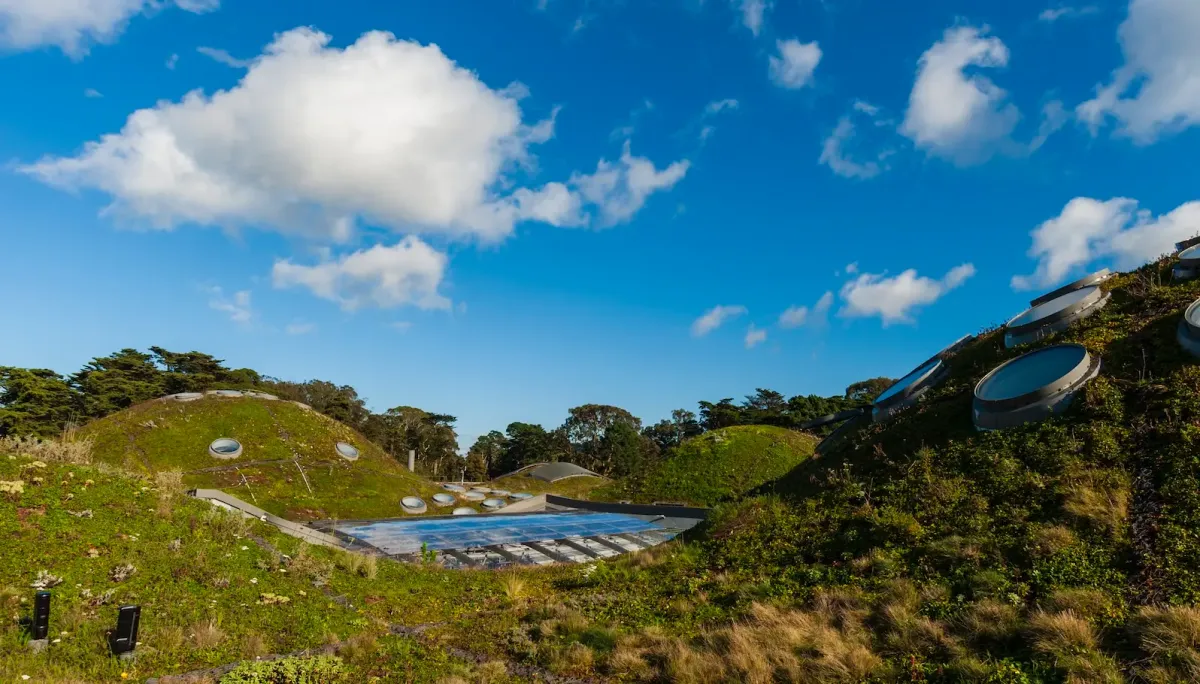
Look up in any city, and you'll see a lot of flat, often white, rooftops. Mostly ignored, these urban expanses are basically blank canvases just waiting for a glow-up. Turns out, planting a garden on your roof isn't just pretty; it's a superhero move for buildings, budgets, and battling climate change.
These 'gardens in the sky' aren't just for show. They're cooling cities down, helping prevent floods, boosting local biodiversity, and even feeding the bees who are, let's be honest, doing their best.
The Sky's the Limit (Literally)
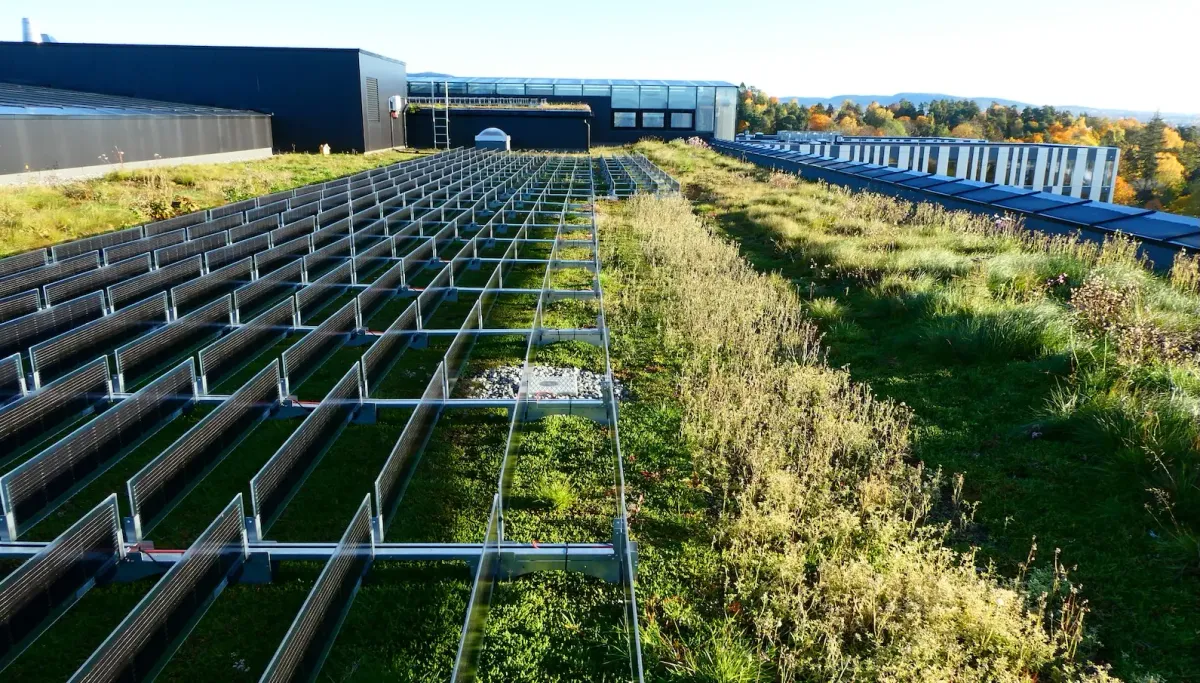
According to a report for the European Commission, turning all those unused rooftops and walls green could make our increasingly sweltering cities, well, less sweltering. Some places are even eyeing 'rooftop agrivoltaics' — which is exactly what it sounds like: growing crops under solar panels. Because apparently, we can have our kale and power our homes too. This is particularly clever given that urban populations are expected to balloon by another two billion people by 2050.
We're a new kind of news feed.
Regular news is designed to drain you. We're a non-profit built to restore you. Every story we publish is scored for impact, progress, and hope.
Start Your News Detox
Cities are notorious for the 'urban heat island effect,' turning them into giant, concrete-and-asphalt griddles. Green roofs are like hitting the AC button for an entire neighborhood. Vera Enzi-Zechner, a co-author of the report, put it plainly: the goal is dense cities that are still livable and climate-safe. She also pointed out the perks for water management, energy bills, social connection, and, of course, the birds and the bees.
And before you think this is some newfangled, avocado-toast-and-artisanal-coffee idea, consider the Moos Water Filtration Plant near Zurich. It's had nine acres of wildflower meadows on its rooftops for over a century. Talk about an original trendsetter.
Modern green roofs are a bit more sophisticated, with architects carefully adding waterproofing, root barriers (because nobody wants a tree growing through their ceiling), and reinforcing structures to handle the extra weight of plants and water. The type of plant dictates the soil depth needed, making it a surprisingly precise science. Yes, your existing building can probably get a green hat, too — with a little structural tweaking.
The Long Game: Greening for Good
Traditional roofs are basically giant solar collectors, soaking up heat all day. Green roofs, on the other hand, are the chill friends of the building world. They cool the air by releasing water vapor, shade the surface, and insulate the top floor. This means less money spent blasting the AC in summer and cranking the heat in winter. Let that satisfying number sink in.
They also extend a roof's lifespan, protecting it from the sun's relentless rays, extreme heat, and hail — all the stuff that makes traditional roofs crack, shrink, and age faster than a pop star in the 80s. Wall-climbing vegetation does the same for facades, offering bonus habitats for local wildlife.
Cities save money, too. As the planet warms and rain gets… enthusiastic, old gutters and sewers are struggling. Green roofs act like giant sponges, soaking up rainwater and slowing its flow into these overwhelmed systems, preventing costly floods. Some 'blue-green roofs' even store rainwater for flushing toilets. Because apparently that's where we are now.
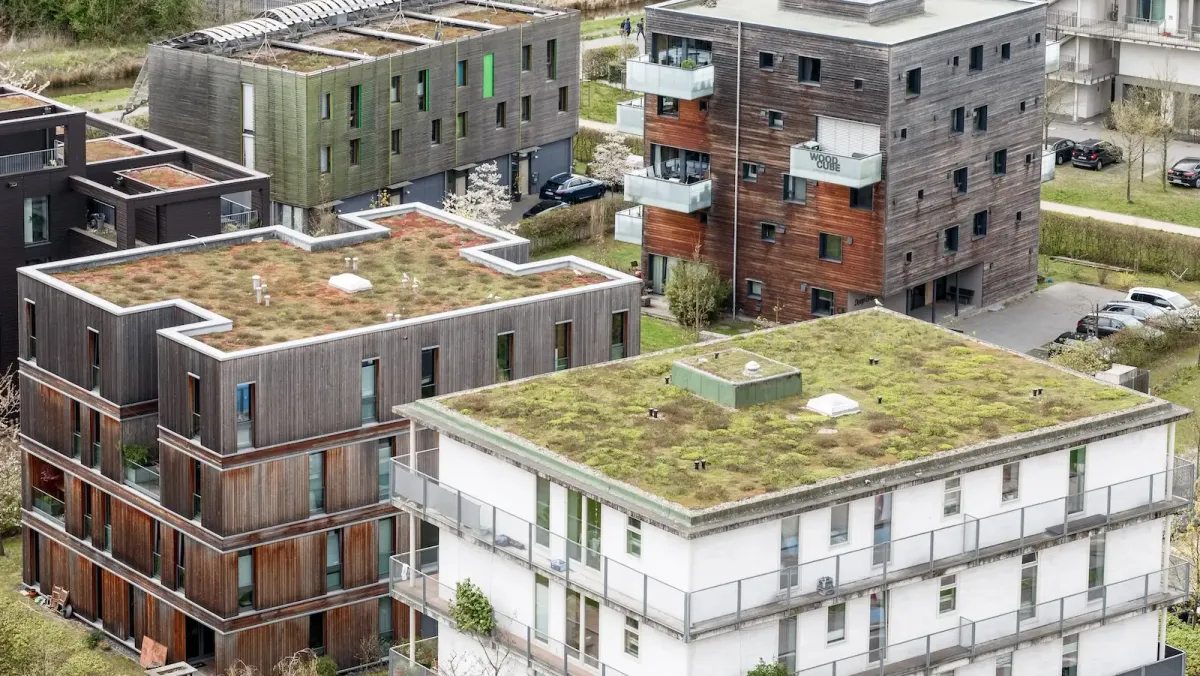
Steven Peck, president of Green Roofs for Healthy Cities, summarized it perfectly: capturing water to support plants makes cities more resilient. Plus, plants clean the air, boost mental health, and cool the whole darn place down.
All this extra greenery creates crucial habitats. Think of green roofs and walls as a network of VIP lounges for flying creatures, offering shelter, food, and safe passage across the urban jungle. Studies show this boosts biodiversity and even helps endangered species. Maria Manso, another co-lead author, stressed that these green roofs need to connect with other nature-based solutions to truly knit the city's green fabric together.
The Future Is Growing Under Solar Panels
Remember rooftop agrivoltaics? Scientists are pretty excited about growing crops under solar panels. The panels protect the plants from harsh winds and too much sun, and in return, the plants release water vapor, cooling the panels and making them more efficient. It's a win-win, a little green energy love story.
Early research shows warm-season crops like watermelon thrive in these systems. Cucumbers have, apparently, achieved 'very large' status. And the pollinators visiting these rooftop gardens? They're basically delivery services for urban gardens and nearby farms.
Rooftop agrivoltaics are showing serious promise. The Florence airport in Italy, for example, is getting solar panels and a vineyard on its roof. Because, as horticulturist Jennifer Bousselot noted, what's more Italian than combining renewable energy with cultural heritage?
While solar panels add to the initial cost, they pay for themselves in energy generation. Their shade also reduces water evaporation, meaning plants need less water. This could allow for shallower green roofs while still supporting diverse plant life. Which, if you think about it, is both impressive and slightly terrifying.
Making Green the New Standard
Cities can encourage green roofs with smart policies. Basel, Switzerland, offered subsidies decades ago, then flat-out mandated them for new and retrofitted flat roofs. By 2010, Basel had increased its green roof area tenfold, becoming a global leader in biodiversity-friendly urban greening. Take notes, world.
In the U.S., cities could adopt similar building codes. Some municipalities already charge property owners for rainfall runoff from impervious surfaces; installing gardens can reduce these fees. It’s like getting a discount for being a good environmental citizen.
Even without subsidies, green roofs are a solid investment for developers. They last longer than traditional roofs (meaning fewer costly replacements) and can even be rented out for events. Rooftop wedding, anyone?
Cities worldwide face a choice: invest in green spaces now, or risk struggling as the climate continues its warm-up act. Steven Peck believes that greener cities will be healthier, more creative, and ultimately, where future investments will flow. Hard to argue with that logic.