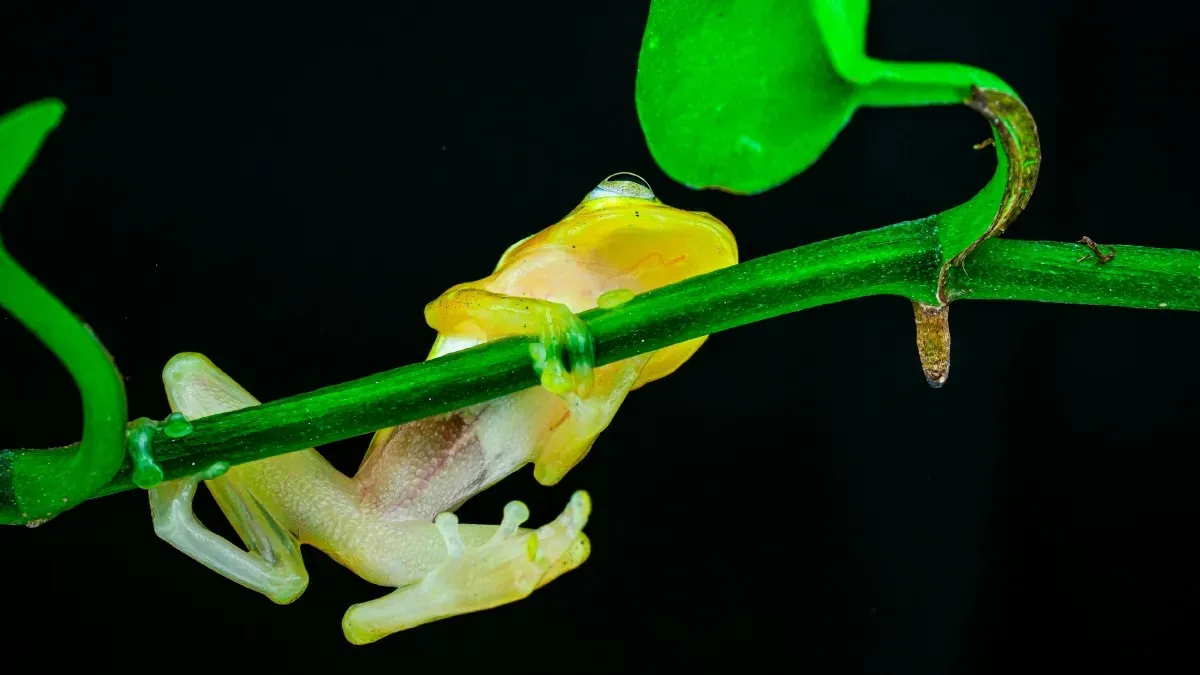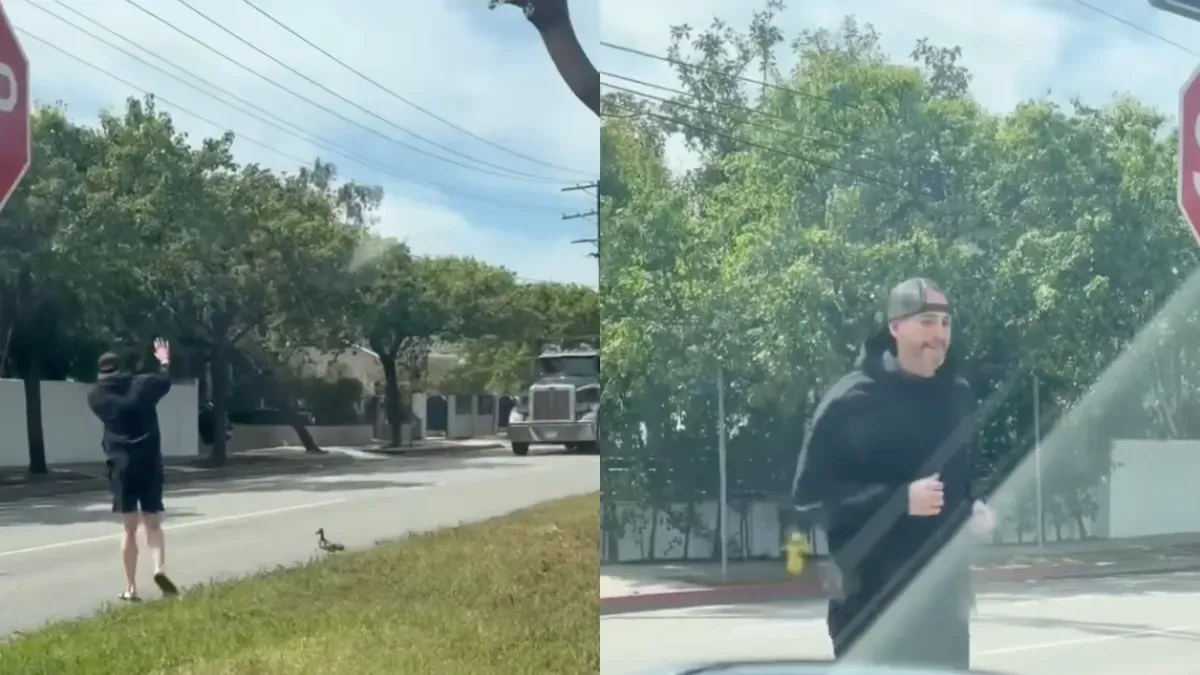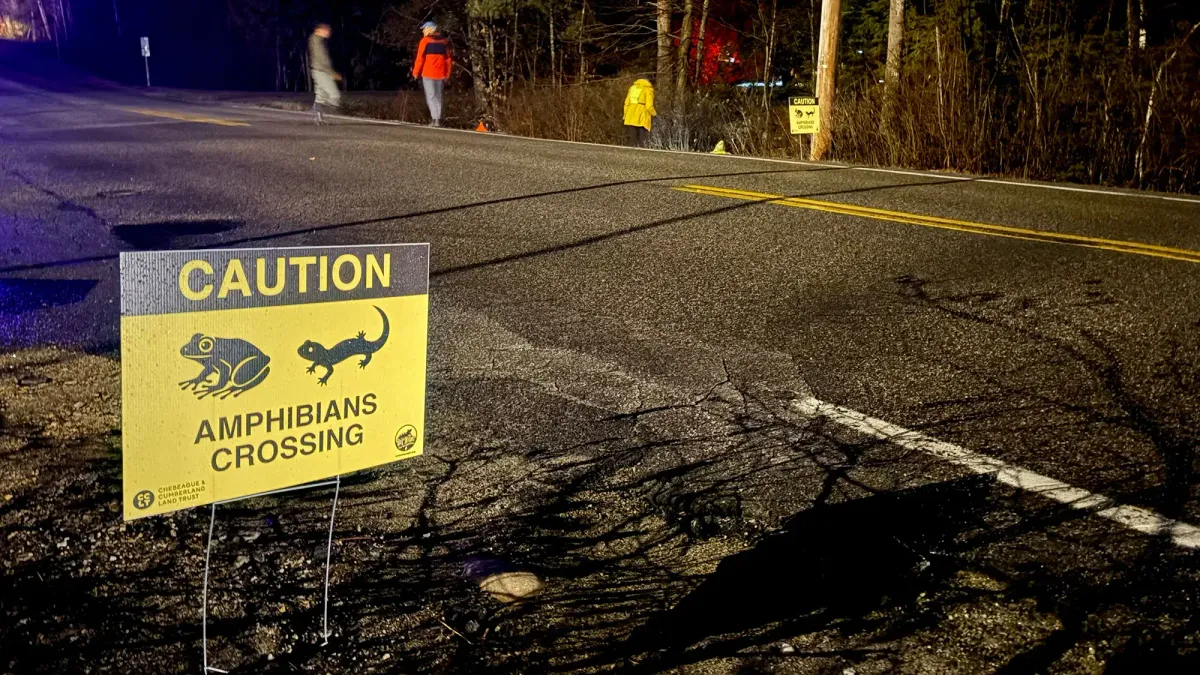
On a wet Tuesday night in April, a road in Cumberland, Maine, filled with the sounds of chirping frogs and low clucks. Then, as the sun dipped and the rain picked up, the cars stopped. Not for a fender bender, but for neon-vested humans wielding flashlights, ready to shepherd an army of amphibians.
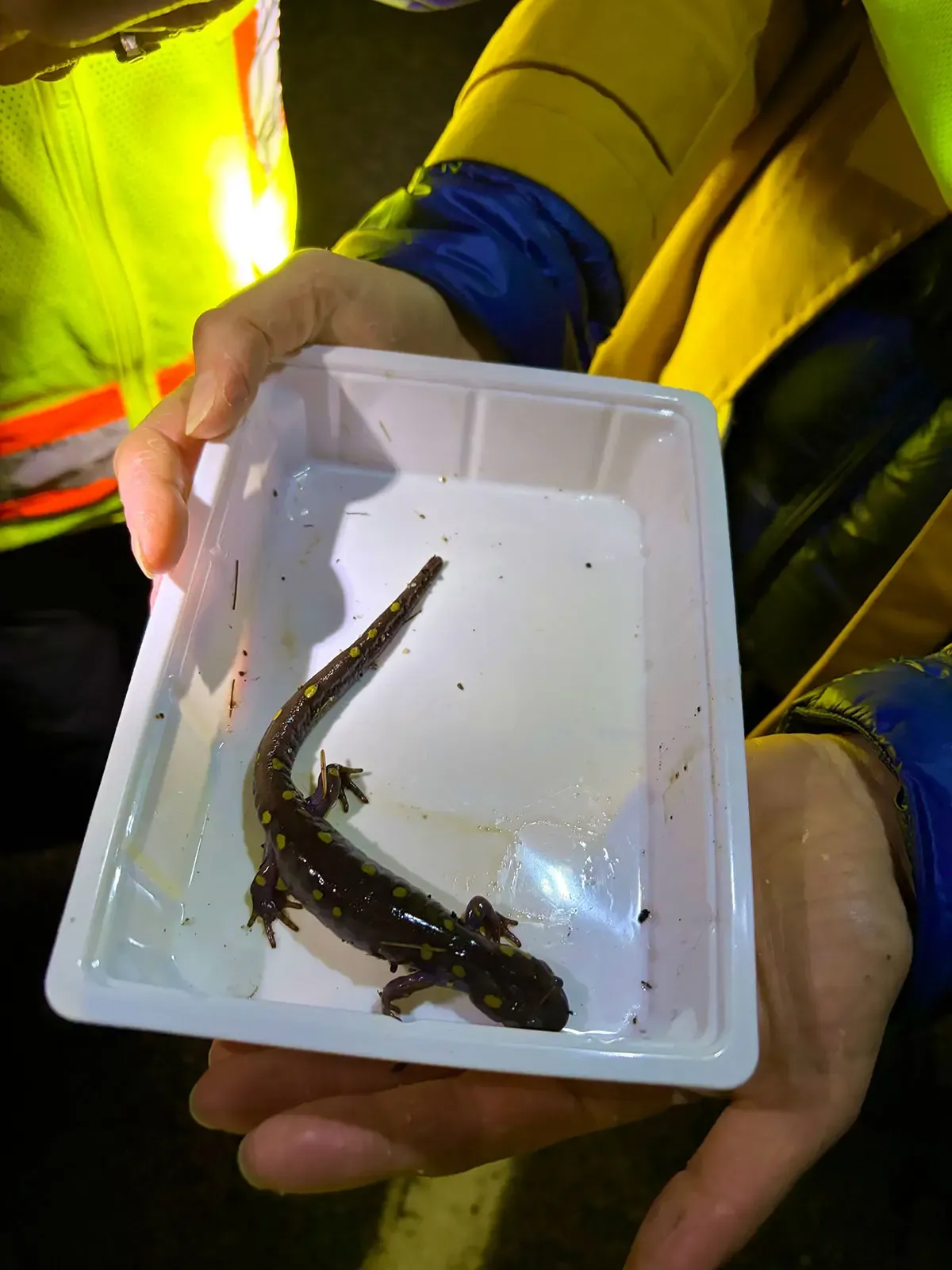
"I got a big one!" a young volunteer in a yellow raincoat reportedly shrieked, proudly displaying a 9-inch yellow-spotted salamander. Because apparently, that's where we are now: humans as crossing guards for the forest's most ambitious commuters.
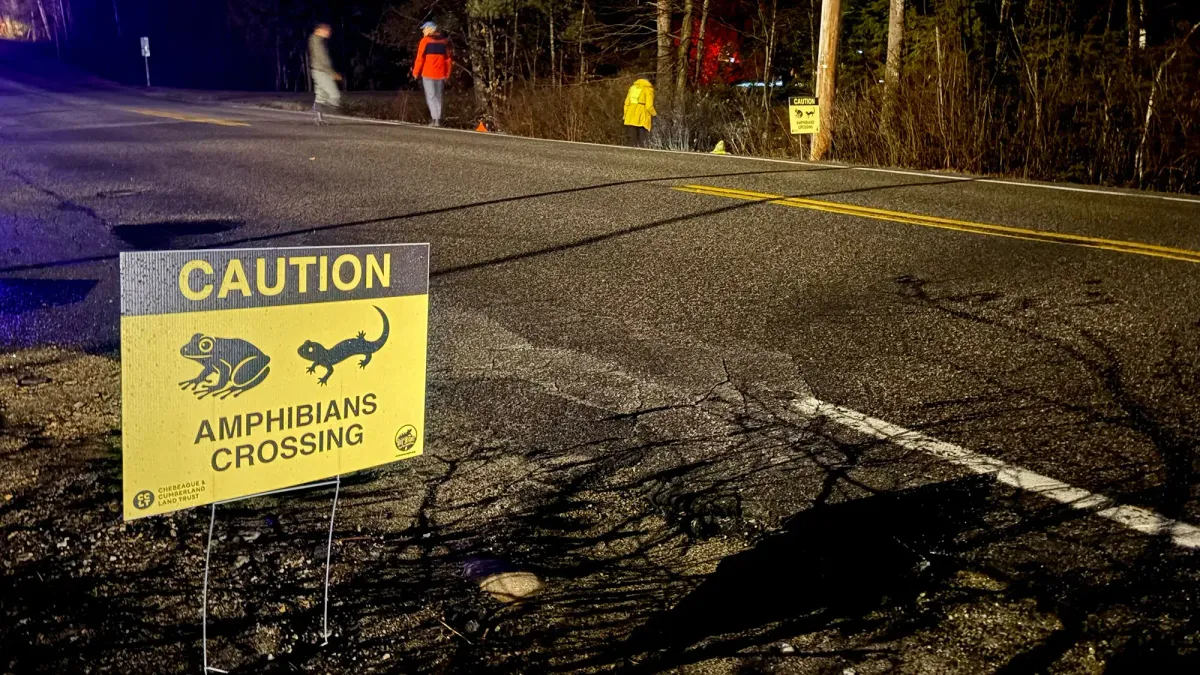
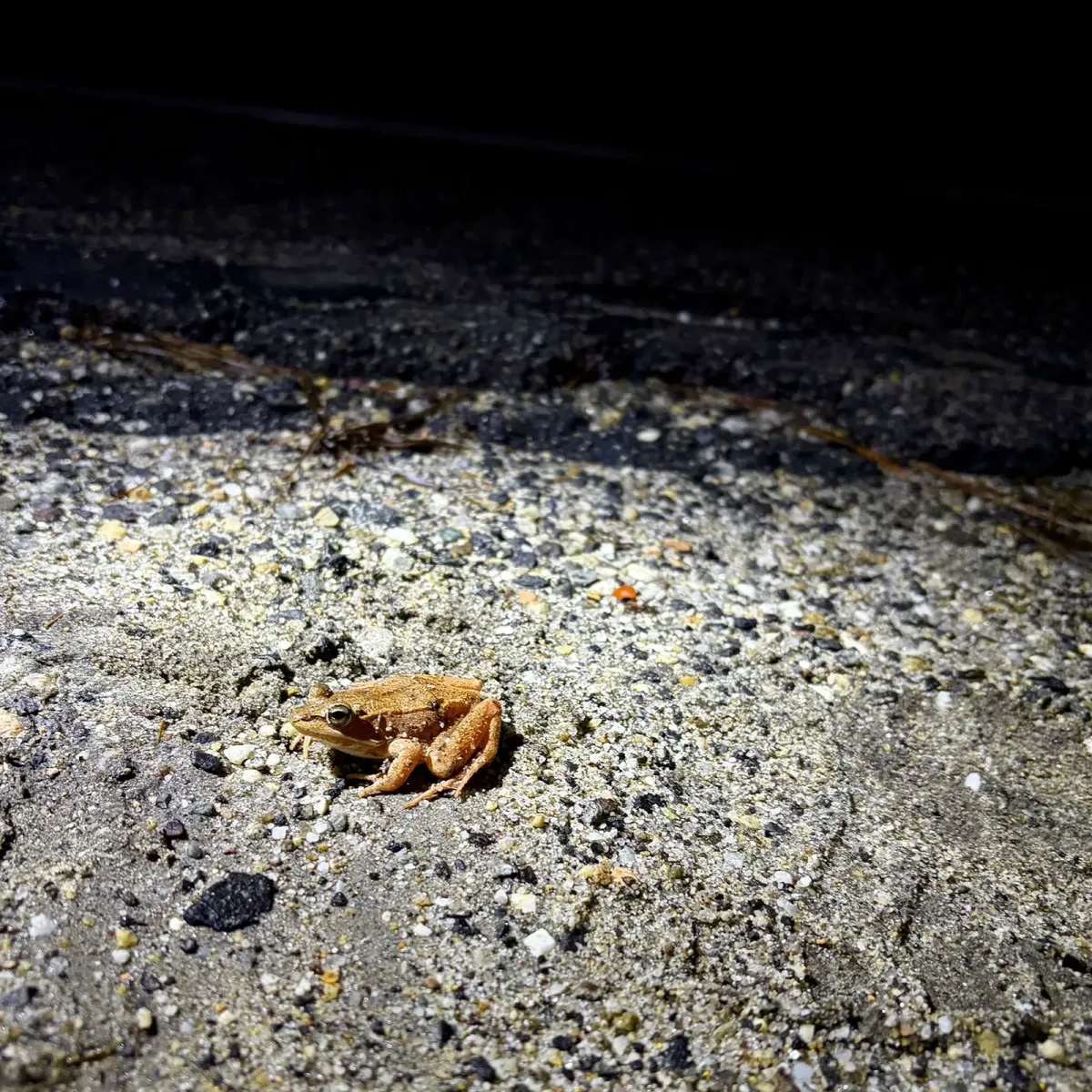
Each spring, a mysterious ritual unfolds in New England. On the first warm, wet night, frogs and salamanders emerge from their winter hideouts, following ancient, invisible GPS routes back to the vernal pools where they were born. Their mission? To lay eggs. Their call? "Come on in, the water's fine!" according to Penny Asherman of the Chebeague and Cumberland Land Trust.
We're a new kind of news feed.
Regular news is designed to drain you. We're a non-profit built to restore you. Every story we publish is scored for impact, progress, and hope.
Start Your News DetoxThe Big Night Gets Bigger
For a decade, this nocturnal pilgrimage — dubbed "Big Night" — has rallied volunteers to help these tiny travelers reach their watery destinations safely. But here's the rub: climate change is making this journey less predictable, and the seasonal wetlands these creatures rely on are, well, changing. It's tough out there for a cold-blooded romancer.
What started as a simple act of amphibian assistance has evolved. Now, volunteers are citizen scientists, meticulously tracking emergence times and survival rates. Maine Big Night, the orchestrating body, gathered over 1,200 observers at 650 sites this year alone. This data isn't just for curiosity's sake; it's actively reshaping how communities think about culverts, road maintenance, and the very infrastructure beneath our feet.
Tim Kaijala, a seven-year veteran, now brings his kids, Theo (10) and Kai (8), to the nightly census. "The data side is pretty cool," he notes. "When we first came, it was just bringing frogs and salamanders over, but the last couple years it's been more about counting and keeping track." Which, if you think about it, is both impressive and slightly terrifying. Theo, for his part, declared, "I do not want any peepers to die. If I stepped on one, I would never forgive myself." A sentiment many of us have felt, perhaps not about peepers, but still.
Data: The Amphibian's Best Friend
Last year, a grim statistic emerged from Orono: eight out of ten amphibians were becoming roadkill at the state's most diverse migration site. Big Night swung into action, partnering with city officials to secure a grant for cameras and fencing. The goal? To gently nudge the animals toward an existing culvert under the road, turning a death trap into a discreet underpass.
They also noticed an uptick in amphibians with edema, a condition linked to road salt runoff. Their solution? Advocate for alternative de-icing methods. Yes, we're talking about pickle juice. Because apparently, a little brine is better than a lot of dead frogs.
Greg LeClair, founder of Big Night Maine and a municipal planning biologist, understood early on that love isn't enough. "I knew that in order to make change, you needed data," he explained. Conserving land and installing culverts are effective but expensive. "Nobody will give you the money unless you have data." And amphibians, being small, secretive, and generally bad at filing insurance claims, don't generate much of it.
Good data means advocates can protect amphibians more effectively and ensure conservation dollars are spent wisely. The Orono fencing project is a prime example: scientists once believed only special culverts would work. But cameras revealed frogs and salamanders happily using an existing one. If the new fencing proves effective, it could save a lot of money, which means more pickle juice for everyone.
Why We Should Care (Beyond the Cuteness)
Protecting these tiny, often-overlooked creatures isn't just about their adorable chirps. They're a fundamental piece of New England's food web. Their eggs, larvae, and adults are on the menu for everything from owls to moose. As Sally Stockwell of Maine Audubon puts it, "If you remove one piece of the puzzle or two, you don’t know which piece could kick the whole system out of whack."
Amphibians are also the canary in the coal mine for climate change. They can't regulate their body temperature and need moisture like a teenager needs Wi-Fi. Less snow means they freeze. Warm winter days lure them out, only for the cold to return and kill them. Dry springs or heatwaves? Kiss those vernal pools (and their eggs) goodbye. Plus, a deadly fungus, chytrid, is thriving in warmer, drier conditions, making it harder for them to breathe. Because the world needed another thing to worry about.
Still, humans remain their biggest threat. Development encroaches, and cars, well, you know. This is why data is so crucial. It reveals what would otherwise go unnoticed. On that rainy April night in Cumberland, volunteers counted ten species crossing, including over 100 spring peepers and 34 wood frogs. Only nine amphibians were found dead. Which, in the grand scheme of things, is a win. Because anything we can do to reduce mortality, as Stockwell notes, is a benefit. Until almost midnight, children, parents, and retirees patrolled the road, taking notes and carrying frogs to safety, watching them swim and call out loudly to those still in the woods. Let's hear it for the tiny unsung heroes.