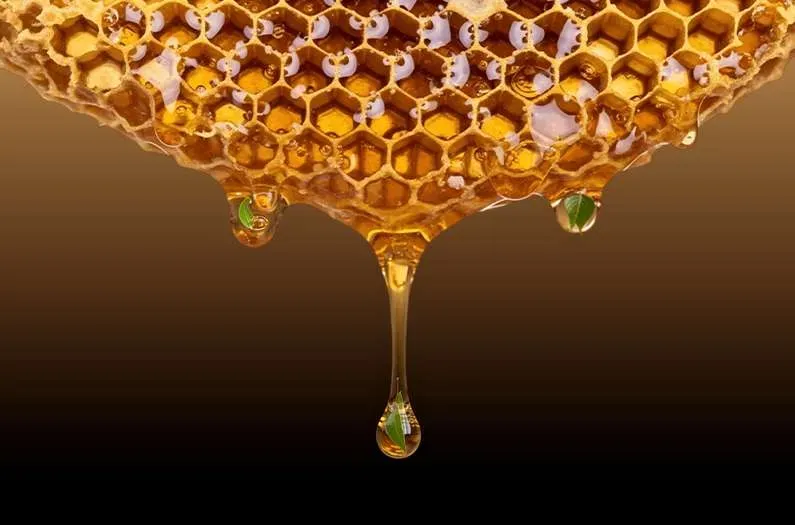
Imagine tasting a spoonful of honey and realizing it's a direct snapshot of an endangered forest. That's precisely what scientists found on Palaui, a remote Philippine island, where wild honey tells a surprising story about a rare tree.
Indigenous Agta people on Palaui have long harvested this wild honey. When scientists analyzed it, they discovered a chemical signature that pointed almost entirely to Pterocarpus indicus, better known as narra. Which, if you're not familiar, is an endangered tree species.
Think of it like wine "terroir" — that elusive quality where soil, climate, and geography shape a wine's flavor. For honey, terroir can reveal everything from local flora to the overall health of an ecosystem. Turns out, it's also a surprisingly sweet way to champion conservation.
We're a new kind of news feed.
Regular news is designed to drain you. We're a non-profit built to restore you. Every story we publish is scored for impact, progress, and hope.
Start Your News DetoxA Forest's Fingerprint in a Jar
Merlijn van Weerd, an ecologist from the University of Leiden and co-author of the study, highlighted just how crucial narra trees are. They're not only vital for biodiversity but also for the Indigenous community that relies on them. This isn't just a Palaui story; wild honey worldwide can offer a chemical blueprint of its surroundings.
Narra, the national tree of the Philippines, is known for its vibrant orange, nectar-rich blossoms. It's no wonder bees are drawn to it. Its dense, beautiful wood, however, made it a prime target for logging, pushing it to the brink. While cutting it is now illegal, remote spots like Palaui are some of the last places it truly thrives.
Van Weerd and his team were genuinely surprised by narra's dominance in the island's honey. It was an unexpected, albeit delicious, clue.
The Sweet Science of Conservation
To unravel this mystery, scientists used chemical analysis — essentially, giving the honey a "fingerprint." This isn't just for conservation; it's also a powerful tool to distinguish real, sustainably harvested wild honey from the imposter versions often cut with cane or corn syrup.
They used a technique called liquid chromatography-mass spectrometry, which sounds like something out of a sci-fi movie but simply means separating the honey into its individual chemical components. After collecting samples in 2021, they found high levels of an amino acid called hypaphorine.
Local Agta community members pointed them to narra. Lo and behold, narra tree pollen also tested high for hypaphorine, and the honey itself was full of narra pollen grains. Case closed.
As a bonus, some honey near a coffee farm even contained caffeine, proving just how sensitive honey is to its botanical neighbors. Van Weerd summed it up perfectly: honey provides a "chemical fingerprint of the local flora."
For van Weerd, these findings underscore the urgent need to protect existing forests. They weave together the intricate dance between trees, bees, and the traditional wisdom of Indigenous communities.
His team is now busy with reforestation efforts, placing narra trees front and center, and helping Indigenous communities secure land rights to better protect these vital ecosystems. Turns out, understanding what goes into a jar of honey can make saving a forest that much sweeter.