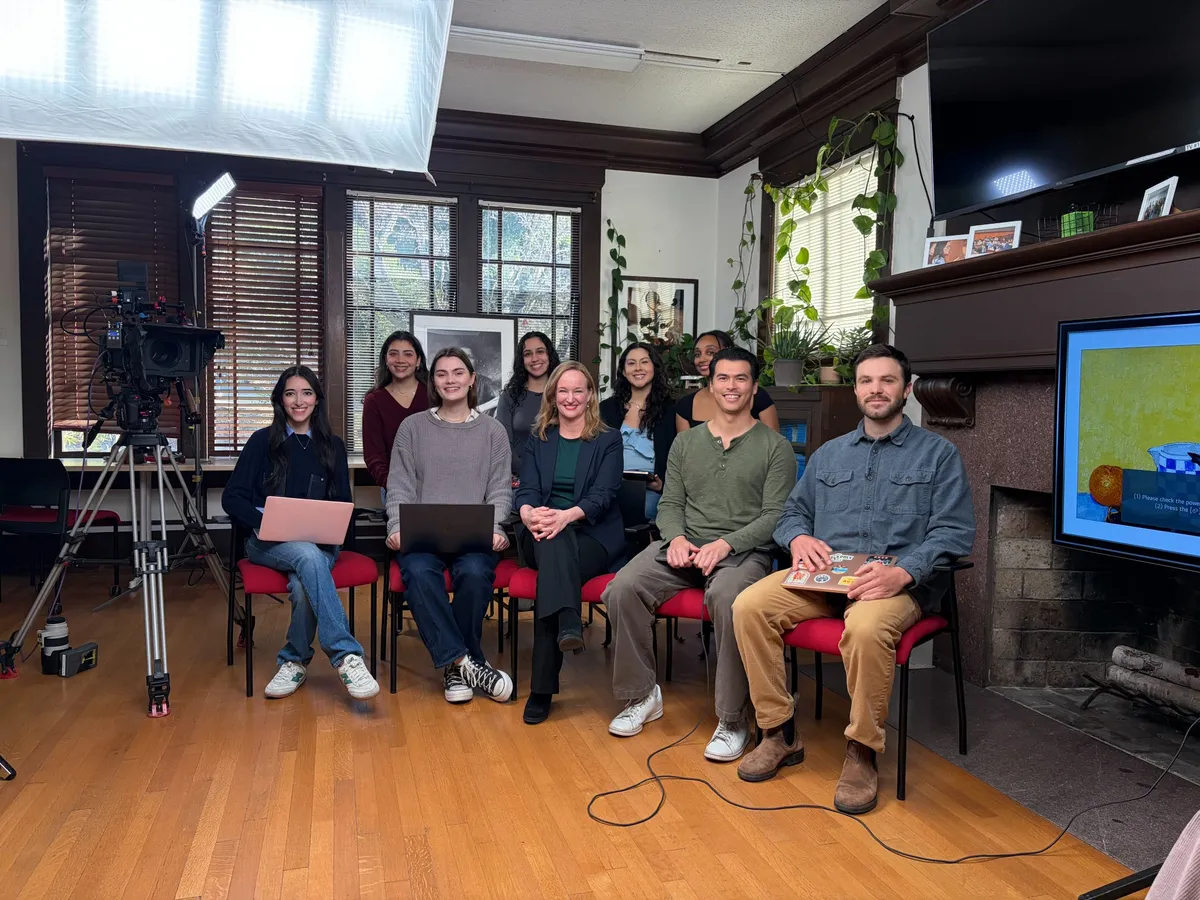
A team of UC Berkeley students did something journalism is supposed to do: they found the truth and helped tell it. Using open-source video analysis, they mapped the architecture and conditions inside El Salvador's CECOT megaprison, corroborating reports of torture and brutal treatment of Venezuelan migrants. Their work was rigorous, verifiable, grounded in evidence.
Then a "60 Minutes" segment featuring their research was pulled from broadcast hours before airtime.
The students, working through the university's Human Rights Center Investigations Lab, had analyzed publicly uploaded videos from CECOT to independently verify claims made in a Human Rights Watch report titled "You Have Arrived in Hell." That report detailed how the Trump administration had sent migrants without due process to a facility where conditions were, by multiple accounts, horrific. The Berkeley team's forensic work helped counter official narratives that portrayed detainees as dangerous criminals.
We're a new kind of news feed.
Regular news is designed to drain you. We're a non-profit built to restore you. Every story we publish is scored for impact, progress, and hope.
Start Your News DetoxTheir findings aligned with reporting already published by the New York Times and Frontline, outlets that had documented the same abuses through their own investigations. The "60 Minutes" piece would have reached roughly 10 million viewers—a significant platform for stories that governments and institutions often prefer to suppress.
CBS Editor-in-Chief Bari Weiss made the decision to kill the segment. The timing raised questions about editorial independence and what gets deemed newsworthy enough to broadcast.
"We're in a moment when press is very much under attack, where independent media are under threat," said Alexa Koenig, co-faculty director of the Human Rights Center. "The importance of the human right of access to information is being challenged."
What makes this story worth attention isn't just the censorship itself. It's what the Berkeley students represent: a model of investigation that doesn't depend on institutional gatekeepers. They used publicly available material and rigorous methodology to build a case that corroborated what others had found. Their work existed independent of whether any single news organization chose to broadcast it.
That doesn't erase the loss. A story reaching 10 million people matters. Institutional platforms still shape what becomes public knowledge. But it does suggest something: the truth about CECOT exists in multiple places now. It's documented by Human Rights Watch, the New York Times, Frontline, and the Berkeley students. It's harder to disappear.
The "60 Minutes" segment may eventually air. What happens next will say something about whether institutions are willing to face what their own investigations uncover.