On February 6, 2023, powerful earthquakes hit Turkey and Syria. They changed entire cities in minutes. Nearly three years later, recovery is still happening.
Local organizations stayed even after the cameras left. They moved from saving lives to rebuilding schools, homes, and jobs. They also worked to mend the cultural fabric of communities.
Recovery is not a straight path. A few months ago, I visited communities near the Turkish-Syrian border affected by the earthquake. What I saw was serious.
We're a new kind of news feed.
Regular news is designed to drain you. We're a non-profit built to restore you. Every story we publish is scored for impact, progress, and hope.
Start Your News DetoxConstruction crews are still everywhere. Thousands of families are still displaced. Many live in converted storage units and temporary settlements.
In Syria, families have been displaced many times by conflict, unrest, and the earthquakes. They continue to live in makeshift homes with limited services. Jobs are hard to find, and schooling is inconsistent. Children and families still feel the stress.
This was a clear reminder: recovery is a long road with no shortcuts. In both Turkey and Syria, that road is still being built.
Communities Rebuilding
Despite the challenges, communities are rebuilding. Local organizations are stepping in to restore community systems. They push for essential services, even with limited resources. This is especially important as political instability grows in northern Syria.
Local leaders show up every day. They reopen clinics, organize classrooms, and give out winter kits. New places for healing are opening in damaged neighborhoods. Mobile clinics reach families in remote and unstable areas.
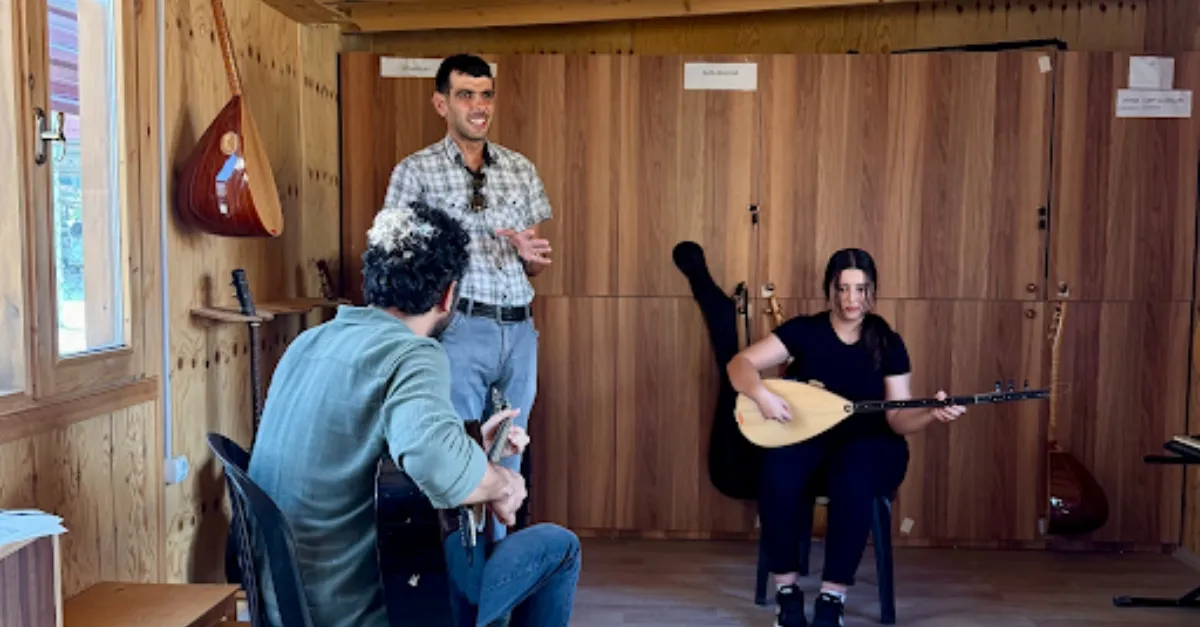
Winter kits protect children from harsh weather. Music rooms are again filled with sound and laughter.
I saw some of this work at SEDYAD (Serinyol Elele Dayanisma Dernegi). This organization formed within Turkish earthquake-affected communities. It offers daily music lessons and safe spaces for children and adults.
I spent time in those music rooms. I saw how joy, hope, and creativity light the way for resilience. Students whose lives were uprooted came together. They shared their music, which reflected the region's traditions and the resilience of past, present, and future.
Finding Strength Together
Communities in Turkey and Syria are finding strength in each other. They are creating a path forward. This path honors what was lost while investing in their shared future.
The Turkey and Syria Earthquake Relief Fund has supported this future. It has helped 53 community-based organizations in the region. This support is flexible and relationship-centered. This means local leaders can use funds to adapt to changing community needs during recovery and preparedness.
This support helps organizations like Space of Peace. This Syrian, women-led group gives winter kits to female-headed households. These include widows, orphans, families, and children with disabilities. They provide emergency relief during a time of great change and instability in Syria.
It also helped SEMA (Syrian Expatriates Medical Association). This group of Syrian doctors runs six mobile clinics in Syria's hardest-hit areas. They received flexible funds to give free medical care and nutritional support to pregnant and nursing women and children.
Recovery in Turkey and Syria is not just one organization's work. It has happened through many local efforts. These include medical teams, women-led initiatives, and grassroots groups. Each is rebuilding in their own communities.
The Turkey and Syria Earthquake Relief Fund has channeled resources to these efforts. This allows each organization to respond in the best ways they know.
It is an honor to work with these local organizations and leaders. They help communities get the support they need. This support is not just for the immediate aftermath, but for the years it takes to rebuild lives.