When ICE operations intensified in Charlotte, North Carolina last weekend, something shifted in the neighborhood. Schools saw 56,000 students absent. Thousands walked out in protest. And people who'd shopped freely for years suddenly weighed the risk of leaving home.
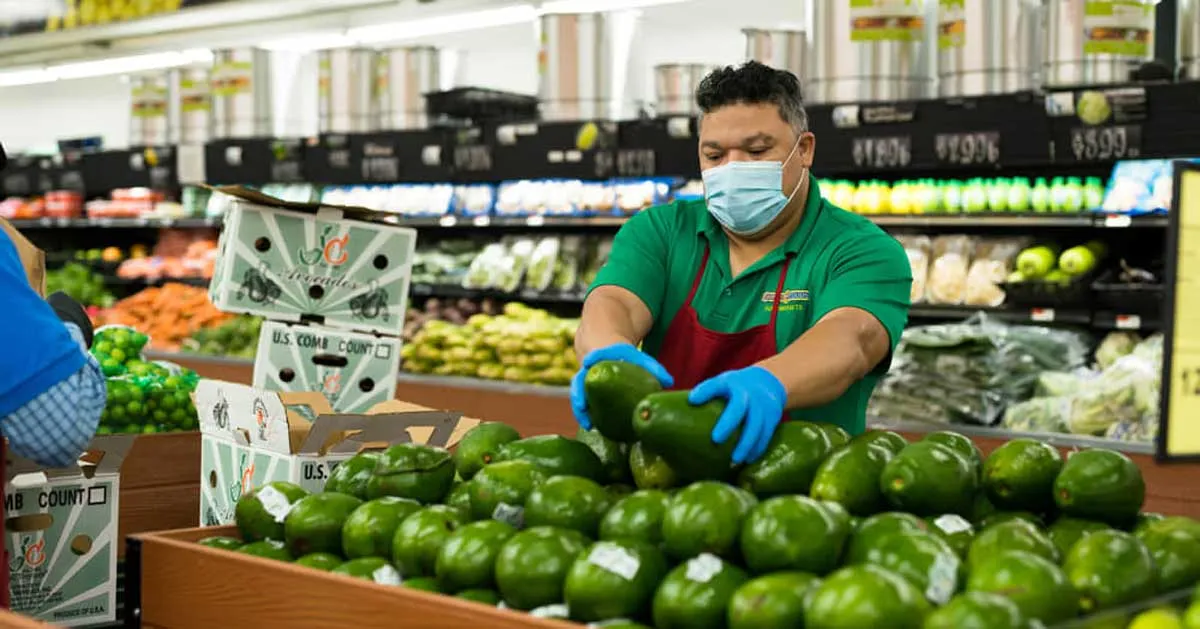
Compare Foods, a nine-store chain built by Dominican immigrant Eligio Peña in 1978, recognized what that fear actually meant: families couldn't get groceries. So they removed one barrier.
Using the code NOFEE2025, customers can order online and receive free delivery or pickup through the end of the year. The announcement came in Spanish, direct and clear. "Our goal is that you can receive your products with peace of mind, from the comfort of your home, with the same freshness and quality as always," the company wrote.
We're a new kind of news feed.
Regular news is designed to drain you. We're a non-profit built to restore you. Every story we publish is scored for impact, progress, and hope.
Start Your News DetoxIt's a small thing, technically. But it matters because Compare Foods understands something their larger competitors don't: how to move fast when a community's needs shift. The chain operates independently store by store, which means when demographics change—when an Ecuadorian neighborhood becomes Honduran, when fear becomes the dominant fact—managers can respond immediately. They stock what people need. They listen.
A network built on staying
Compare Foods grew from one Queens store in 1978 into a regional presence across the Northeast and Southeast, following Latino migration patterns. Between 2010 and 2022, North Carolina's Latino population grew by 45 percent. Compare Foods was there, stocking the products families couldn't find elsewhere, becoming what CEO Omar Jorge Peña calls "the premier option for immigrant families in the U.S. South."
When Peña arrived in Charlotte in 2009, he felt the city's warmth toward immigrants. "That's what has defined this city," he said. But last week, that changed. "This is the first time I've truly felt fear."
He's not alone. Fear doesn't distinguish between documented and undocumented residents—it spreads through entire communities. Parents worry about driving to work. Grandparents hesitate before leaving the house. The practical world shrinks.
Compare Foods' response acknowledges this without pretending a grocery delivery code solves the larger crisis. It doesn't. But it does say: we see you, we're staying, and we're removing what we can control. Customers who still want to visit stores can use an Uber rides program on qualifying purchases—another small door left open.
"We are Latinos. We stand with Latinos," Peña told local media. "It's in our hearts, and we will always be a home away from home for the entire community."
That's not corporate messaging. That's a grocery store chain deciding where it stands when the moment arrives.