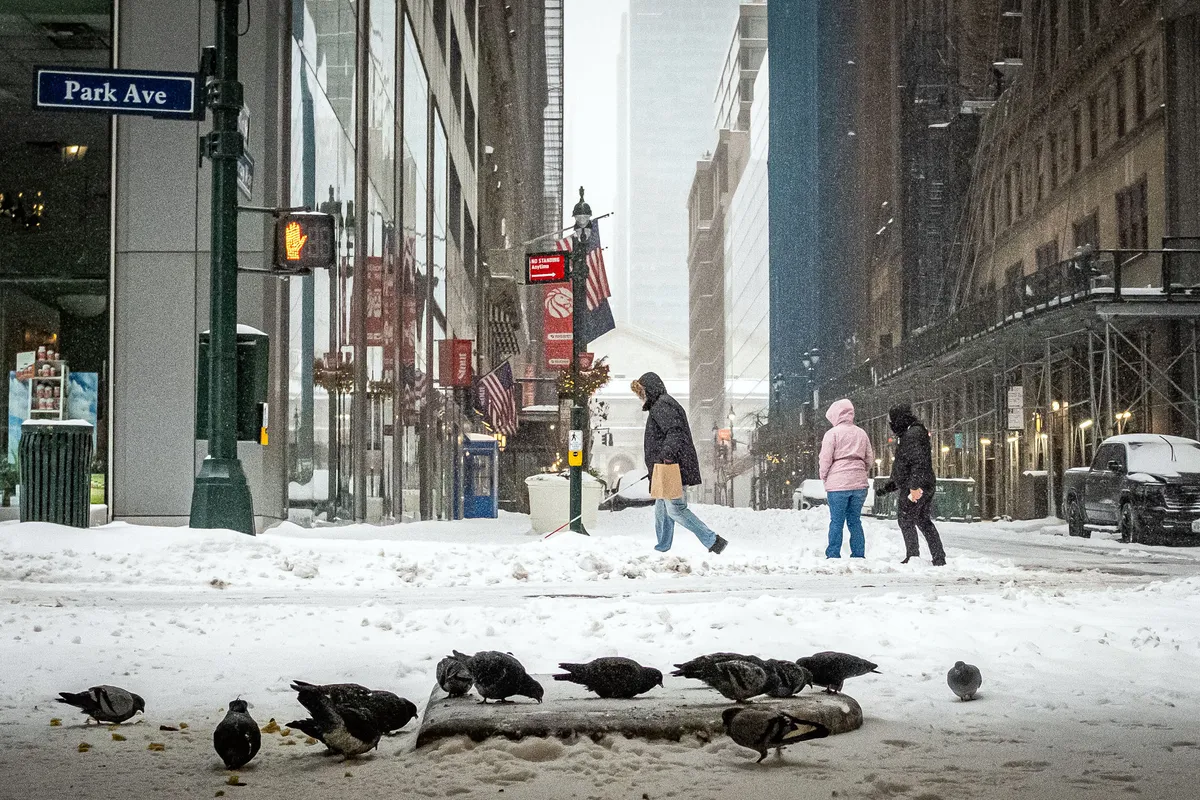
New York City just logged 26,000 heat complaints in a single week—the most since 2018—as temperatures plummeted and thousands of tenants found themselves in unheated apartments during a dangerous cold snap.
The surge tells a familiar winter story in New York: landlords aren't meeting the legal minimum, tenants are suffering, and the city's complaint system is overwhelmed. In December alone, the city received more heat and hot water complaints than any December since 311 call tracking began in 2010. Last year, the Department of Housing Preservation and Development handled 161,773 unique heat complaints. This year is on pace to break that record.
What tenants are legally owed
New York law is clear about what landlords must provide. From October 1 through May 31, indoor temperatures must stay above 68°F during the day and 62°F at night. It's a baseline, not a luxury. Yet every winter, tens of thousands of New Yorkers report violations.
We're a new kind of news feed.
Regular news is designed to drain you. We're a non-profit built to restore you. Every story we publish is scored for impact, progress, and hope.
Start Your News DetoxWhen heat stops working, tenants have options—though navigating them takes persistence. The first step is contacting the landlord directly. If that doesn't work, filing a 311 complaint creates an official record. The Department of Housing Preservation and Development can then inspect the building and issue violations, which carry fines. The catch: the system moves slowly, and tenants are left in the cold while it does.
The human cost
The cold snap also claimed lives. Ten people were found dead outdoors during the life-threatening temperatures, prompting the city to activate an "Enhanced Code Blue" emergency. Outreach teams fanned out to find unhoused people, and the city expanded warming centers and buses—a reminder that for some New Yorkers, a broken radiator isn't an inconvenience. It's a survival issue.
The pattern repeats every winter: record complaints, record violations, and the same structural problem unsolved. What changes the equation isn't better complaint systems—it's enforcement that actually costs landlords enough to make repairs worth doing.