Turns out, even artificial intelligence needs a bit of guidance from the grown-ups. And by grown-ups, we mean mayors. Lots of them. From all over the globe, in fact.
Because who better to tell an algorithm how to manage traffic or optimize public services than the people who actually have to deal with overflowing recycling bins and rush-hour gridlock? That's the idea behind the new Mayors AI Forum, a coalition launched by Bloomberg Philanthropies and Johns Hopkins University. It's the first time city leaders have banded together to directly influence how AI gets built and deployed, ensuring it actually helps, rather than just… complicates.
The Smartest Kids in the City Hall
Ten mayors have been tapped for this inaugural forum, and they're not just there to talk policy. They'll be rolling up their sleeves and working directly with AI developers. Think of it as a master class in urban reality for the folks coding our future. The goal? To offer real-world insights and show how AI can solve actual city problems, not just theoretical ones.
We're a new kind of news feed.
Regular news is designed to drain you. We're a non-profit built to restore you. Every story we publish is scored for impact, progress, and hope.
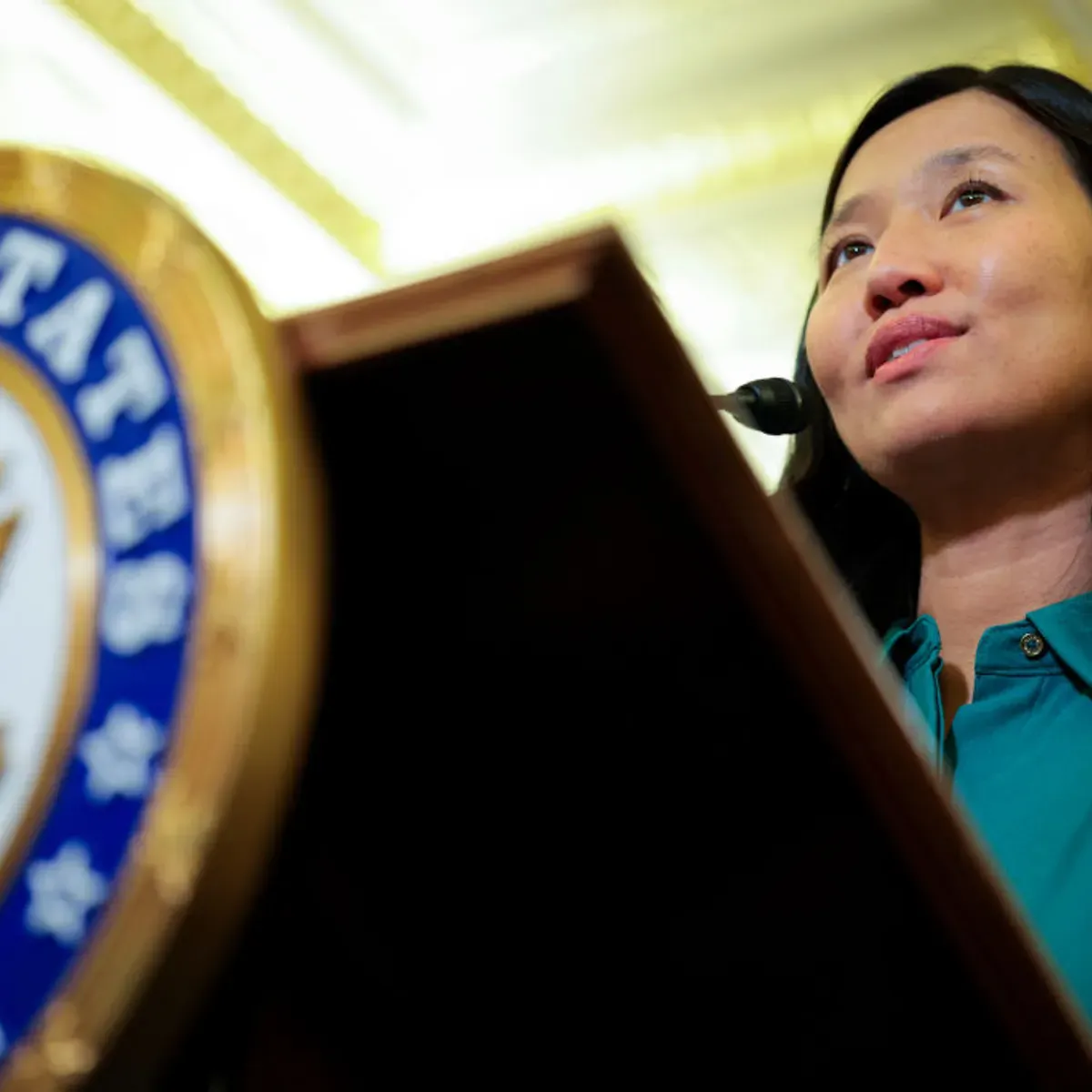
Start Your News DetoxBoston Mayor Michelle Wu, a forum member, put it succinctly: local governments need to set the rules. Because if you let the robots run wild, who knows what kind of digital anarchy you'll end up with? San Antonio Mayor Gina Ortiz Jones echoed the sentiment, emphasizing the need for boldness and strategy. Cities that don't get a handle on AI risk falling behind, which, in the age of rapid tech adoption, is basically the municipal equivalent of still using a flip phone.
And yet, despite the urgency, a recent survey by Euna Solutions found that a paltry less than 2% of local governments are actually using AI across their departments. Apparently, many leaders aren't thinking big enough, held back by concerns over privacy, security, and a distinct lack of guidance from higher up the governmental food chain.
But some cities are already diving in. San Francisco, for instance, gave AI tools to a whopping 30,000 city employees last year. Boston laid down its own AI guidelines in 2023, making it one of the first major U.S. cities to do so. And San Antonio workers are already testing out municipal AI projects. Joining these trailblazers in the forum are mayors from Bogotá, Buenos Aires, Kyiv, London, Madrid, Nairobi, and Tokyo. So, next time your smart city app actually works, you might have a mayor to thank.
Because if there's one thing a mayor knows, it's how to get things done, even if those things involve explaining human nuance to a machine.