

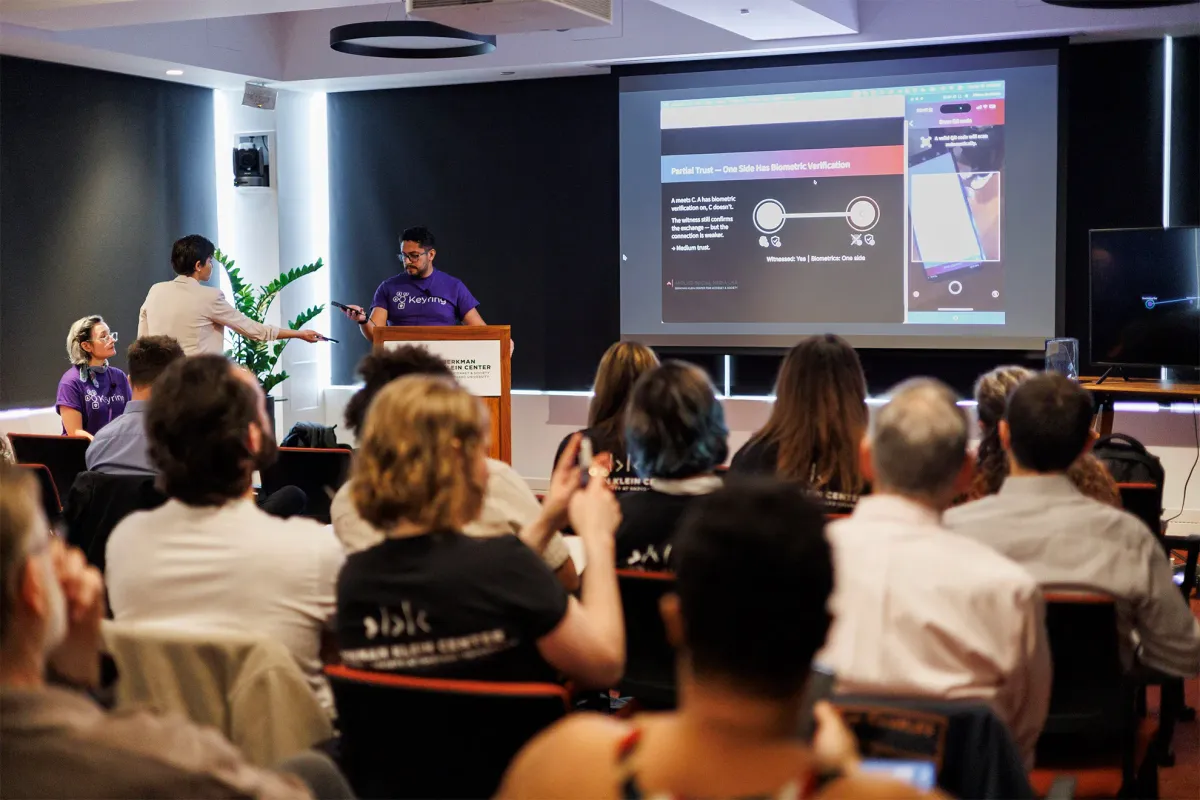
Living online often means giving up personal information. Most people have over 100 online accounts. Each new account usually asks for details like your email or birthdate.
Researchers at the Applied Social Media Lab (ASML) at the Berkman Klein Center for Internet & Society say this system puts your privacy at risk. It also makes you more likely to experience identity theft. They have a new tool to help.

Introducing the Keyring Wallet
ASML engineers launched the Keyring wallet in April. This open-source tool helps verify your identity. Instead of companies storing your personal data, Keyring lets you keep your information on your phone. You only share what's absolutely needed to prove who you are.
We're a new kind of news feed.
Regular news is designed to drain you. We're a non-profit built to restore you. Every story we publish is scored for impact, progress, and hope.
Start Your News DetoxJames Mickens, a computer science professor at Harvard and ASML principal investigator, explained that identity is very personal. Your age, name, location, and gender are tied to you, not to a company.
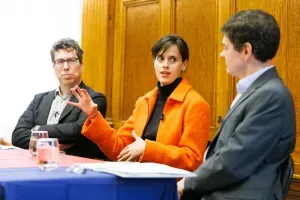
Meg Marco, ASML senior director, noted that people have too much data spread across many accounts they don't control. This is not just annoying; it's also unsafe. She mentioned the 2022 LastPass breach, where hackers got millions of users' encrypted data.
How Keyring Works
Keyring was made with the Linux Foundation’s Decentralized Trust Graph Working Group. It's built around a user-owned identity wallet. You can share specific, limited parts of your identity. For example, you could show your age without giving your birth date. Or you could prove you have an email account with a certain provider without sharing your username.
To use the wallet, you verify your identity with biometric data, like a fingerprint or face scan. This data stays only on your phone. You can also add digital versions of documents, like a driver's license or proof of employment.
Keyring also lets people verify connections in person without a company in the middle. Two people at a conference could securely confirm their identities and that they met, without using a service like LinkedIn.
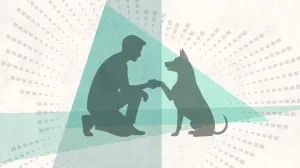
Each secure connection adds to what researchers call a decentralized trust graph. There's no central database of identity data. Instead, each user can be sure of the credentials of others in their network.
Brendan A. Miller, a principal engineer, believes this trust graph can help with social media challenges. It could help tell real people from AI, confirm age, or find where content came from.
Nicole Brennan, a senior UX designer, said making Keyring easy to use was a main goal. "We built something that a real person can pick up and use in seconds," she noted.
The Path Forward
Yajaira Gonzalez, an ASML product leader, said the biggest challenge is getting institutions, governments, and companies to join. They would need to issue and accept verified credentials. Without their involvement, Keyring is mostly for peer-to-peer or experimental use.
Gonzalez explained that these entities benefit from owning and controlling user data because they monetize it. She hopes for a movement where people demand more control over their data.



