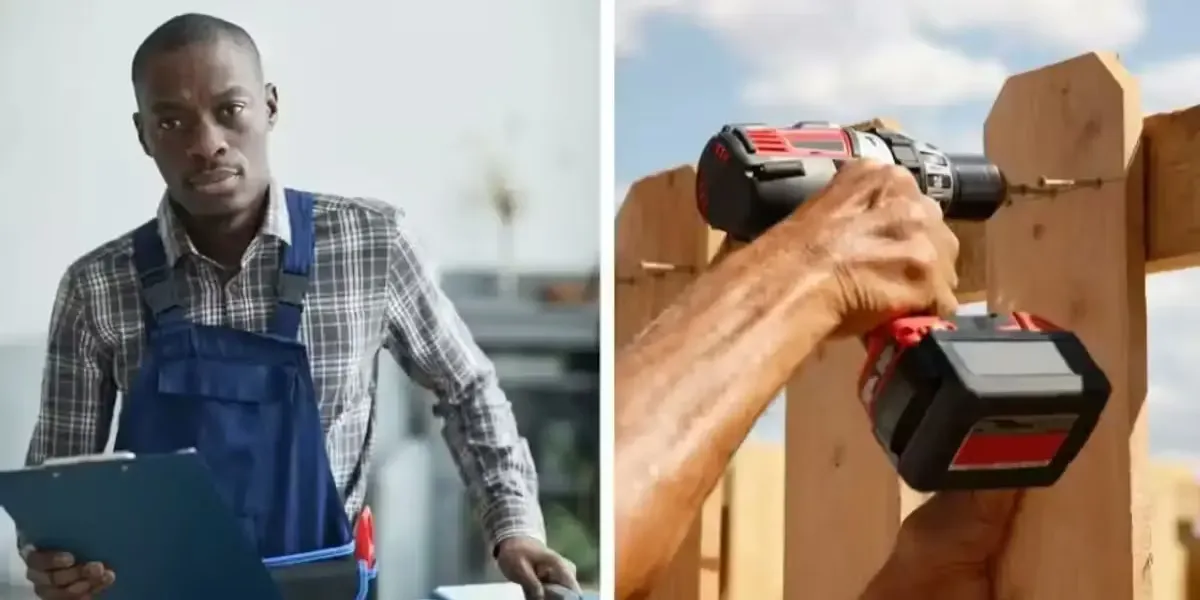
Jhonn was driving through his neighborhood when he noticed a fence collapsed on the ground at a single mother's house. He didn't keep driving.
The woman had been trying to replace that fence for years. Six thousand dollars was the quote. For a single mom living with her own mother, that number might as well have been six million. So it sat there, broken, a daily reminder of what she couldn't afford to fix.
Jhonn knocked on the door and asked if she'd let him build her a new one. For free. She said yes before he finished the sentence.
We're a new kind of news feed.
Regular news is designed to drain you. We're a non-profit built to restore you. Every story we publish is scored for impact, progress, and hope.
Start Your News DetoxThree hours later, the fence was done. Jhonn spent $2,173.89 of his own money on materials—money he earns from his TikTok account, where he documents neighborhood projects under the handle "Uncle Jhonn." He doesn't ask for donations. He doesn't set up a GoFundMe. He just builds.
The math of generosity
There's something worth noticing here that goes beyond the feel-good surface. Jhonn has figured out a sustainable model: he's monetized his platform just enough to fund his projects, but kept the work genuinely free for the people who need it. No strings, no cameras during the actual build (just the documentation after), no expectation of viral gratitude. The fence gets fixed. The family moves forward.
What makes this stick, though, is that Jhonn isn't positioning himself as a savior. He's treating it like a neighbor should—noticing something broken, having the skills to fix it, and doing it. The TikTok account isn't the point; it's just the funding mechanism.
He's also sharing blueprints on his website for raised garden beds, sheds, and mailboxes, which means other people in other neighborhoods can attempt these projects themselves. He's not creating dependency; he's multiplying possibility.
The comments on his videos tell you what this actually means to people. Single mothers recognizing themselves in the story. Older people remembering when a neighbor rebuilt their porch because he was worried about their safety. That's the texture of a community that works—not because everyone is rich, but because some people notice what's broken and decide to do something about it.