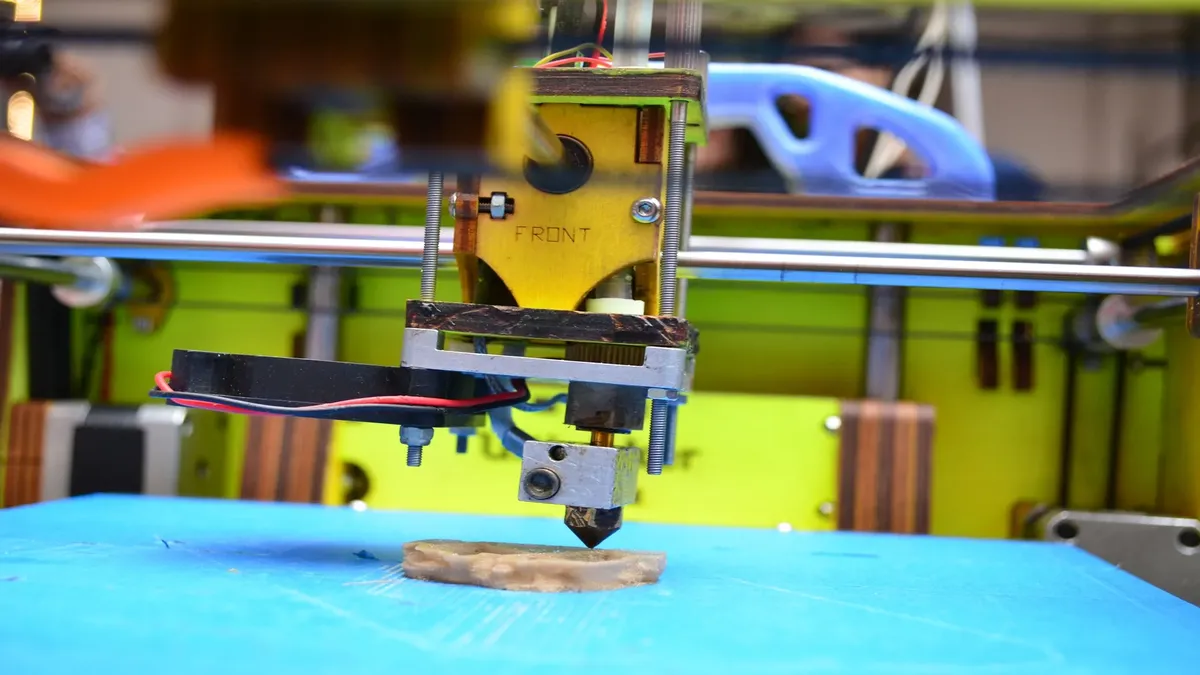
Most 3D printing resins are a one-and-done deal. You print a thing, it hardens, and then it's essentially plastic trash when you're finished with it. Which, if you're making intricate, tiny components, adds up faster than you'd think.
But a team at YOKOHAMA National University in Japan just threw a wrench in that whole wasteful process. They've cooked up a new resin that can be melted down and reprinted up to ten times without a significant dip in quality. Think of all the tiny plastic butterflies we could save.
The Secret Ingredient: Anthracene
The problem with most stereolithography resins (the kind that use UV light to cure liquid into solid shapes) is that once they're hard, they're hard. No going back. Recycling them is a nightmare, leading to a lot of discarded, often microscopic, plastic parts. Professor Shoji Maruo and his team wanted a better way.
We're a new kind of news feed.
Regular news is designed to drain you. We're a non-profit built to restore you. Every story we publish is scored for impact, progress, and hope.
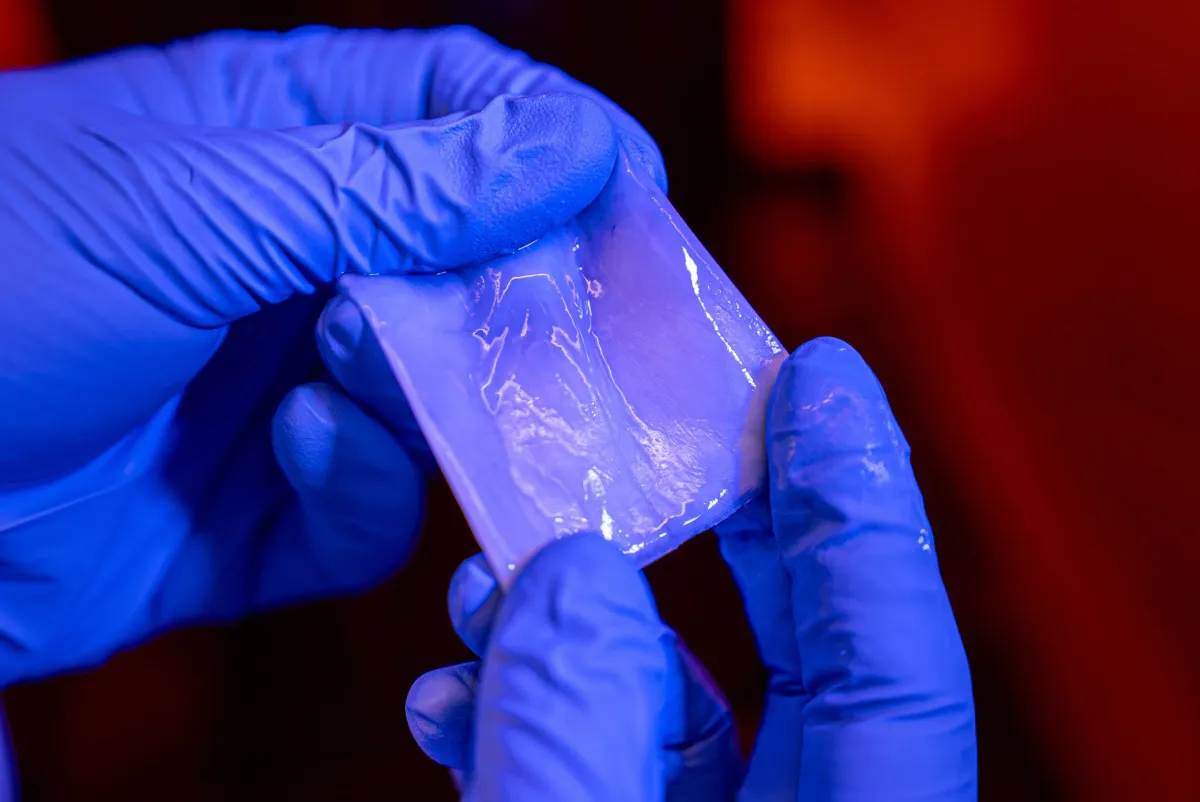
Start Your News DetoxPrevious attempts at recyclable resins often needed chemical additives that contaminated the material, or they simply fell apart after a few reuses. The Japanese team's solution? Anthracene. It's a chemical compound with a neat party trick: it forms strong bonds when exposed to light, and then those bonds break apart when heated, returning the material to its original liquid state.
Crucially, this new resin hardens without photoinitiators — those chemicals usually needed to kickstart the hardening process. Removing them makes the resin simpler, cleaner, and much easier to recycle without weird additives mucking things up.
Printing, Melting, Repeating
To prove their point, the researchers printed some seriously tiny structures, like a microscopic butterfly, using laser scanning. The prints were just as precise as those made with traditional, non-recyclable materials. Assistant Professor Masaru Mukai confirmed it: this stuff can hold a shape.
Then came the real test: they repeatedly printed the letters "YNU" (for Yokohama National University, naturally), melting and reusing the same material for ten full cycles. In another experiment, they turned a printed cube into a disc just by heating it to 150 degrees Celsius for 15 minutes. Talk about a glow-up.
The material showed very little degradation over all those cycles, outperforming older recyclable resins by a mile. It’s a practical, elegant solution to a growing environmental headache in high-precision manufacturing. Next up: scaling it for larger 3D printing systems and making sure it stays stable for the long haul. Because apparently, we can have our tiny 3D-printed cake and recycle it too.