
Northern Ireland has become the first part of the UK to offer paid leave for miscarriage. This new rule means a woman and her partner can take two weeks of paid leave if they experience a miscarriage at any point during pregnancy.
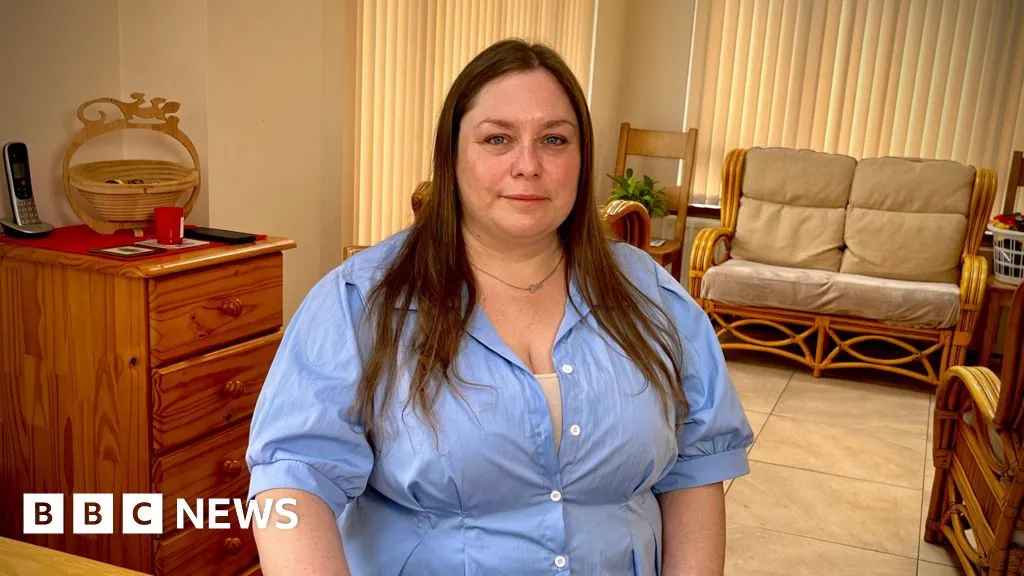
Erin Sharkey, who volunteers with the Miscarriage Association, shared her own experiences with miscarriage. She felt pressure to return to work quickly, even though her employer was supportive. She believes this new leave will help people process their loss and validate their feelings.
Erin noted that her partner did not take time off after their miscarriages because they knew others who hadn't. She feels that having her partner with her for two weeks would have greatly reduced her trauma.
We're a new kind of news feed.
Regular news is designed to drain you. We're a non-profit built to restore you. Every story we publish is scored for impact, progress, and hope.
Start Your News DetoxDetails of the New Miscarriage Leave
The new policy provides two weeks of paid leave for both the woman and her partner. This leave is paid at the statutory rate of just over £194 per week, or 90% of weekly pay if that amount is lower.
Parents can take the leave as one continuous period or as two separate weeks. They have up to 56 weeks after the miscarriage to use the leave. No medical evidence is required; parents only need to inform their employer.
Before this change, parents in Northern Ireland only received two weeks of paid bereavement leave for a stillbirth after 24 weeks of pregnancy, and only if they had worked for their employer for 26 weeks. This older rule still applies in the rest of the UK. The Westminster government plans to introduce a change for England, Scotland, and Wales in 2027, offering unpaid leave for at least one week after a miscarriage at any stage.
Supporting Grieving Families
Selina Casey, a psychotherapist and founder of the White Butterfly Foundation, believes this leave will "save relationships." She started her charity after losing her own baby in 2021. She emphasized that couples need time to grieve together in the early stages of loss.

Megan Crowe, a therapist at the White Butterfly Foundation, also experienced a miscarriage in 2020. She said the two weeks of leave will allow people to take control of their healing journey and seek support early.
The White Butterfly Foundation, located near Portglenone, County Antrim, offers a counselling room. Its walls display dozens of ceramic tiles, each honoring a lost baby.

Rebecca Hutchinson, whose son Freddie is remembered on one of the tiles, experienced early labor after a 20-week scan. She noted that the time between going into labor and Freddie's funeral was just one week, which felt chaotic. She had to take sick leave for this and a previous miscarriage because no other option was available. She called the new provision "amazing."

Victoria Wylie sought help from the foundation after losing her son Alexander at 23 weeks in 2024. She had another miscarriage in January after eight weeks of pregnancy. She explained that the time off is "so helpful" because it allows individuals to grieve in their own way.

Impact and Future Outlook
About 9,000 employees in Northern Ireland are affected by miscarriage each year. The new leave provision will cost the devolved government £3.5 million annually. Parents will be eligible for this leave from their first day of employment.
Economy Minister Caoimhe Archibald stated that miscarriage is a deeply personal loss. She emphasized the importance of supporting women and their families through such a difficult time, especially in the workplace.
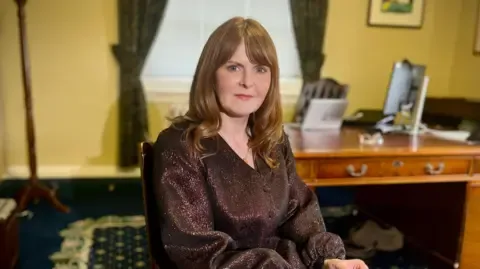
Victoria Wylie believes the new provision is "amazing." She noted that it will allow people to take time off for important dates like anniversaries or birthdays related to their loss. She and her partner visited the zoo on Alexander's due date, taking pictures of a teddy bear in front of the otters. This option will now be available to many others.