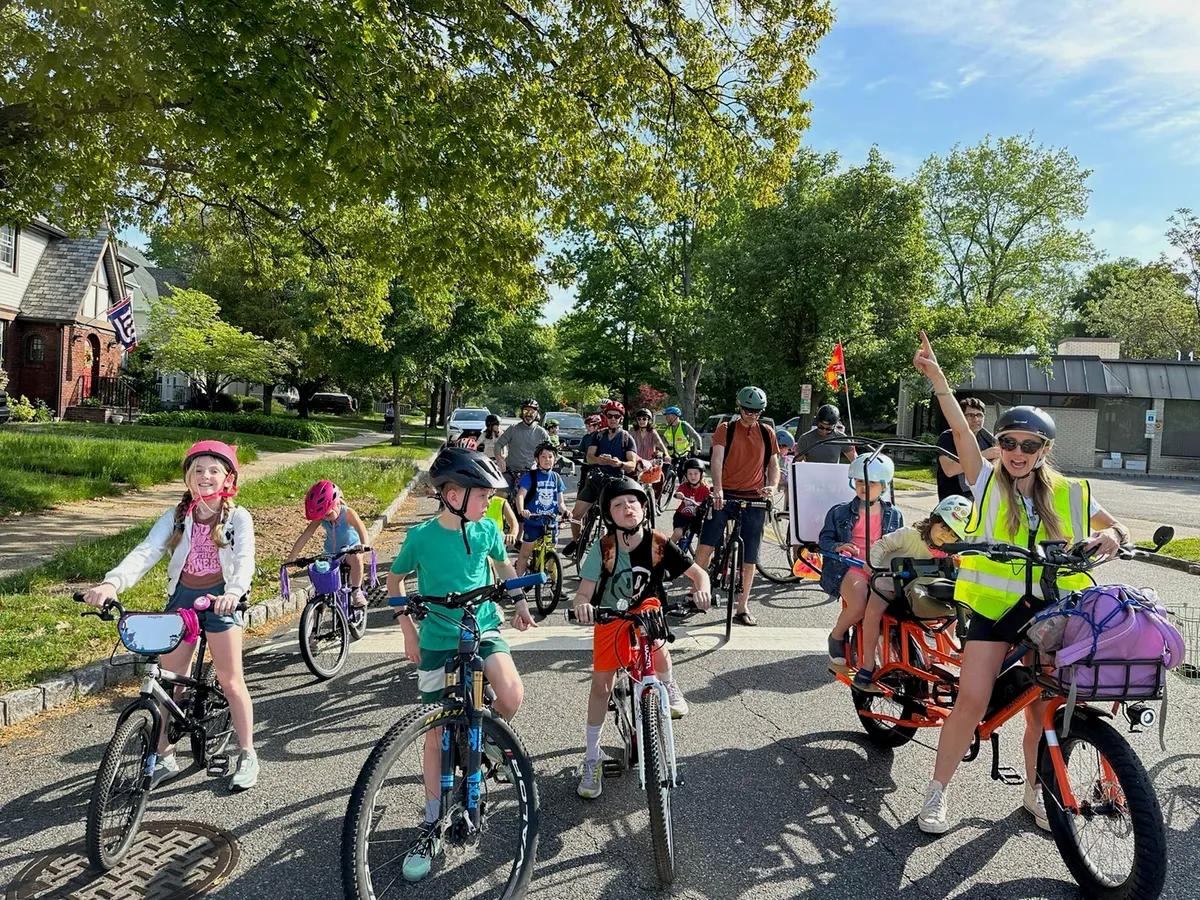

The conversation around struggling boys often starts in the wrong place. It focuses on what's wrong with them — their test scores, their mental health, their behavior — when the real problem is simpler and harder to fix: there's nowhere for them to actually be.
When a teenager has nowhere to go after school except home or the street, when there's no adult who knows their name or cares what they're thinking about, when every space is either heavily supervised or completely commercial, something gets lost. It's not that boys are inherently broken. It's that the informal gathering places where people used to form identity and connection have largely disappeared, replaced by screens, shopping malls, or programs so structured they feel like extensions of school.
Research is clear on what happens next. Connection is one of the strongest predictors of lifelong health and well-being. Youth who feel genuinely connected at school — who have at least one adult who knows them — are measurably less likely to struggle with mental health challenges, engage in risky behaviors, or drop out. The effect isn't small or temporary. It shapes decades.
We're a new kind of news feed.
Regular news is designed to drain you. We're a non-profit built to restore you. Every story we publish is scored for impact, progress, and hope.
Start Your News DetoxYet the instinct, when boys congregate in public spaces, is often to restrict rather than invite. Curfews. Surveillance. Programs that treat them as threats instead of people seeking affirmation. These approaches might suppress visible symptoms, but they don't address what's actually missing: a sense of mattering.
What actually works
Mentoring programs that focus on relationships over rules produce measurable shifts. But not the kind where an adult lectures from above. The most effective spaces are built for belonging — places where a young person shows up because something excites them, and stays because they find friendship and trust. Peers matter as much as adults. Near-peers matter. The message gets reinforced across relationships: you belong here.
This doesn't happen by accident. It requires intentional design and sustained funding. It means creating what researchers call "third spaces" — environments outside of home and school where people form identity and connection. A community center with a basketball court and someone who actually remembers your name. A workshop where you can build something. A youth group that meets because the adults showed up, not because attendance is mandatory.
Boys rarely walk in asking for guidance. They come for what excites them — a skill they want to learn, a sport they love, a project that matters. And if the space is built right, they stay because they feel known.
The next time headlines show teens filling city streets, the frame doesn't have to be chaos. It could be a generation asking for room to exist, to be seen, to matter. That's not a crisis. That's a signal. And it's one we can actually respond to — not with more control, but with the thing that's been missing all along: genuine belonging.