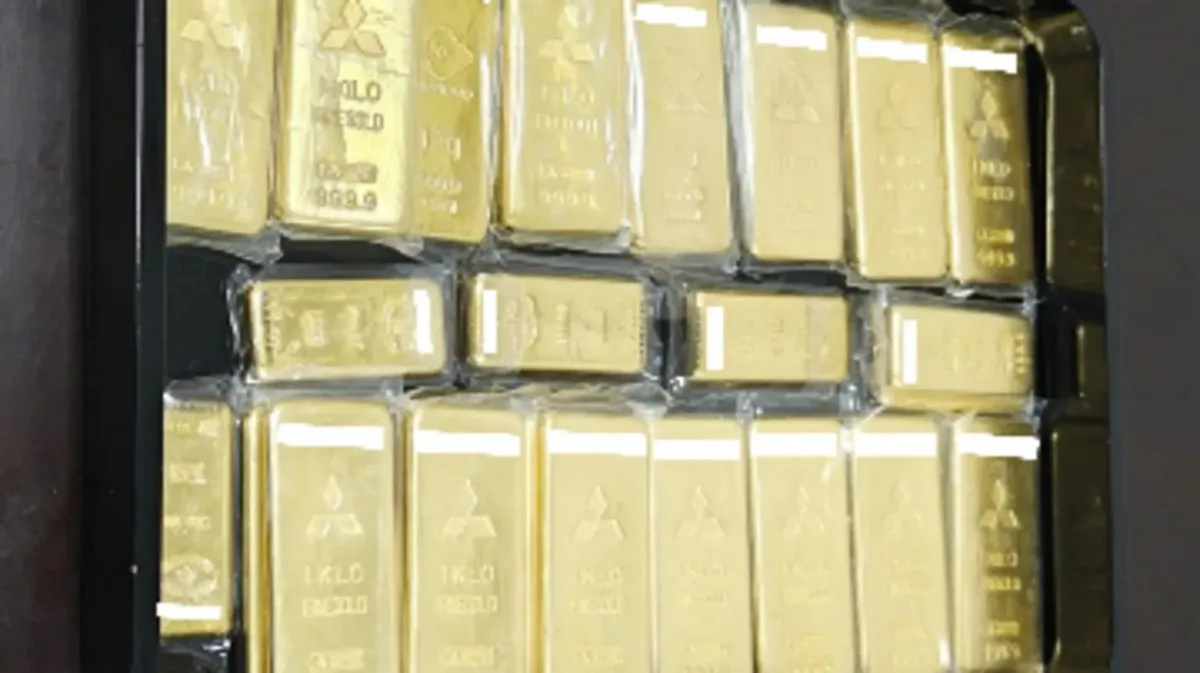
Osaka's water department received an unexpected delivery last week: 21 kilograms of gold bars, donated by someone who will never be named, to fix the city's crumbling pipes.
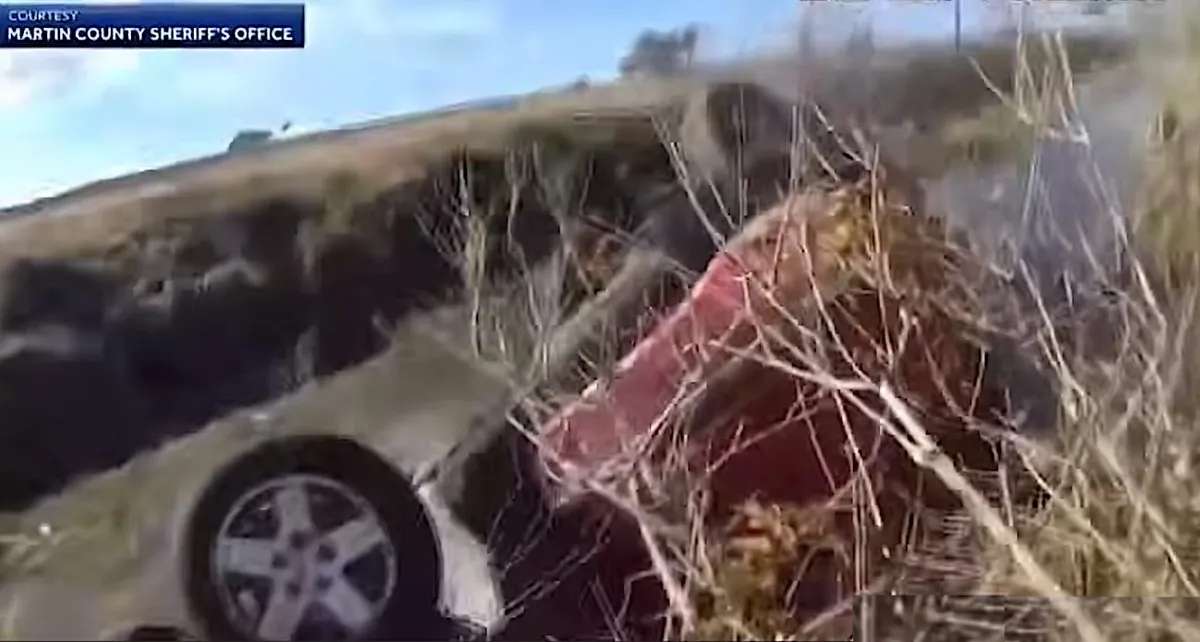
It's the kind of gesture that stops you mid-scroll. But the reason behind it is grimly practical. Osaka's water system was built in the 1950s, when Japan was rebuilding itself. Now, 70 years later, 160 miles of those original pipes are failing. Last year alone, there were 92 recorded leaks—some bad enough to swallow cars and crack streets open.
The gold converts to roughly 560 million yen at current market rates. That's enough to replace about 1.2 miles of pipe. It sounds like a drop in an ocean-sized problem, and technically it is. But Mayor Hideyuki Yokoyama wasn't being polite when he said he was "speechless." In a city of nearly 2.7 million people, one resident decided their wealth should become infrastructure.
We're a new kind of news feed.
Regular news is designed to drain you. We're a non-profit built to restore you. Every story we publish is scored for impact, progress, and hope.
Start Your News DetoxWhy This Matters Beyond the Gesture
Osaka isn't unique in this bind. Cities across Japan, South Korea, and much of Europe built their water systems in the postwar decades. They were built to last maybe 50 years. We're now 20 years past that. Tokyo, Berlin, London—they're all facing the same math: replace thousands of miles of pipe or watch them fail in your basement, your street, your neighborhood.
The real story here isn't that one donation solves anything. It doesn't. But it signals something that infrastructure planners desperately need: proof that people actually care about unsexy, underground systems. Water pipes don't get rallies. They don't get Instagram moments. They get ignored until they break and flood someone's home.
When Yokoyama's office announced they'd use every yen exactly as the donor wished—only for pipe replacement, nothing else—they were honoring something bigger than gratitude. They were treating the gift as a statement: this matters. Your city's water matters. The invisible work matters.
Osaka has begun the long process of modernizing its system. This donation won't finish it. But it buys 1.2 miles of safety, and it sends a message to other residents, other cities, and other governments that aging infrastructure isn't someone else's problem to solve later.