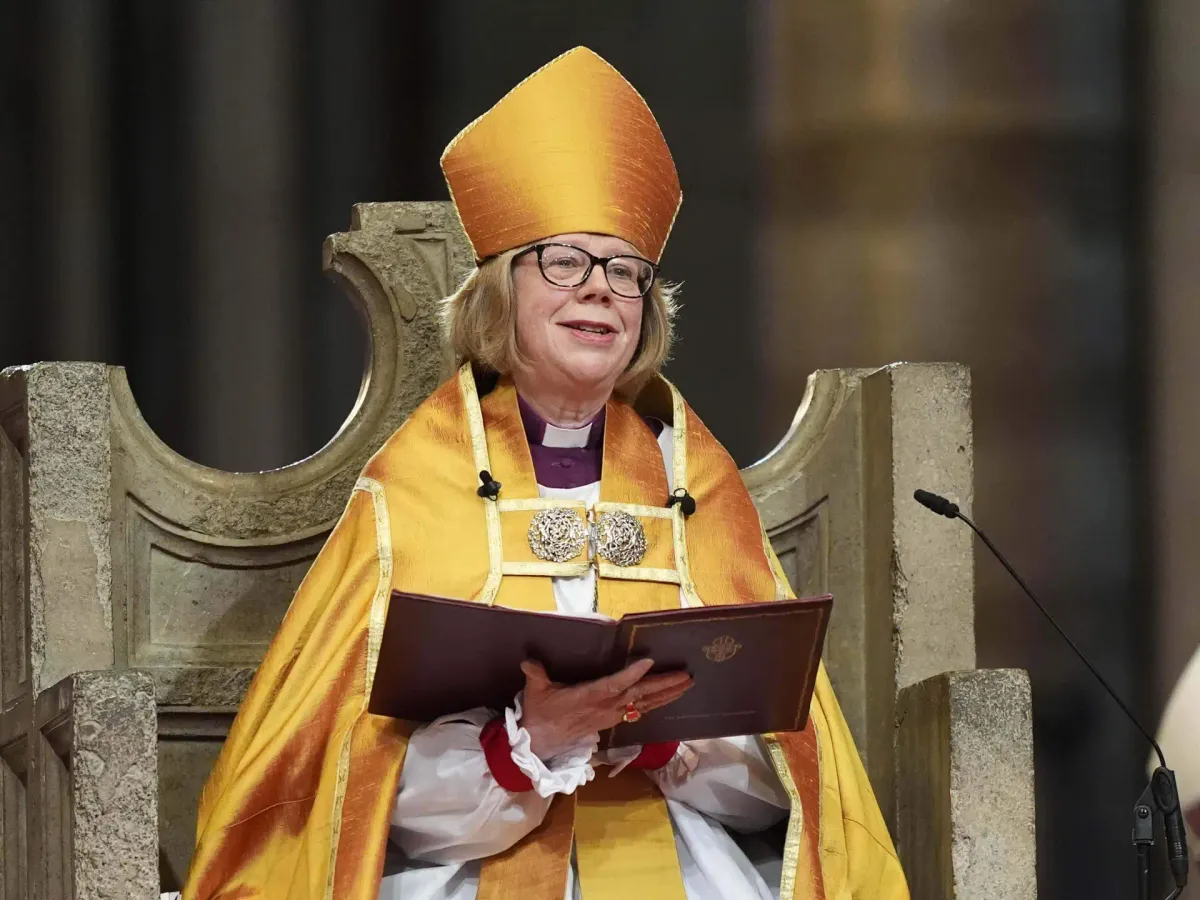
Sarah Mullally has officially become the archbishop of Canterbury. This marks the start of her public work as the first woman to lead the Church of England.
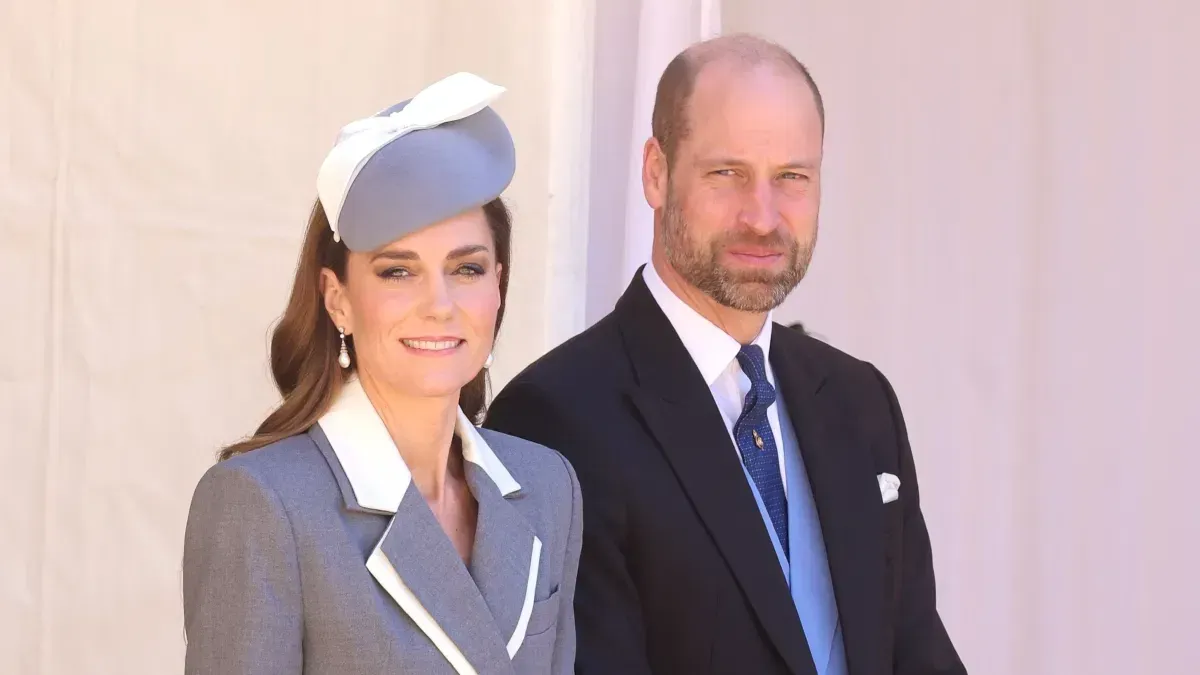
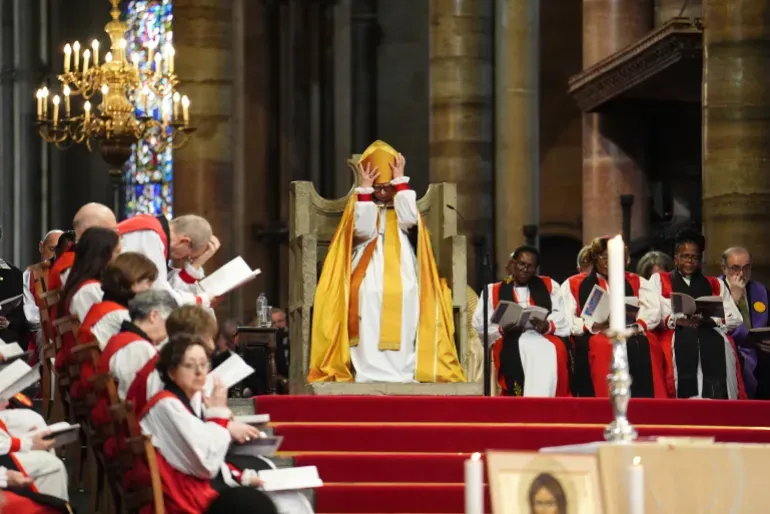
On Wednesday, the former nurse took her seat on the 13th-century Chair of St Augustine at Canterbury Cathedral. About 2,000 guests attended, including Prince William, Catherine, and Prime Minister Keir Starmer.
A Historic Role
Mullally will serve as the spiritual leader of the global Anglican Communion. This group has about 85 million members worldwide. The Church of England first allowed women to become priests in 1994 and bishops in 2015.
We're a new kind of news feed.
Regular news is designed to drain you. We're a non-profit built to restore you. Every story we publish is scored for impact, progress, and hope.
Start Your News DetoxShe legally took on the role in January. However, Wednesday's ceremony was the symbolic start of her ministry. "As I begin my ministry today as archbishop of Canterbury, I say again to God: ‘Here I am’," she told the crowd in her first sermon.
Wearing a golden mitre, Mullally prayed for peace in war-torn areas. These included parts of the Middle East, Ukraine, Sudan, and Myanmar.
The 63-year-old also spoke about the church's past failures to protect people. One such failure led to her predecessor, Justin Welby, resigning. She stressed the need for "truth, compassion, justice and action." Welby stepped down in 2024 after a child abuse cover-up scandal.
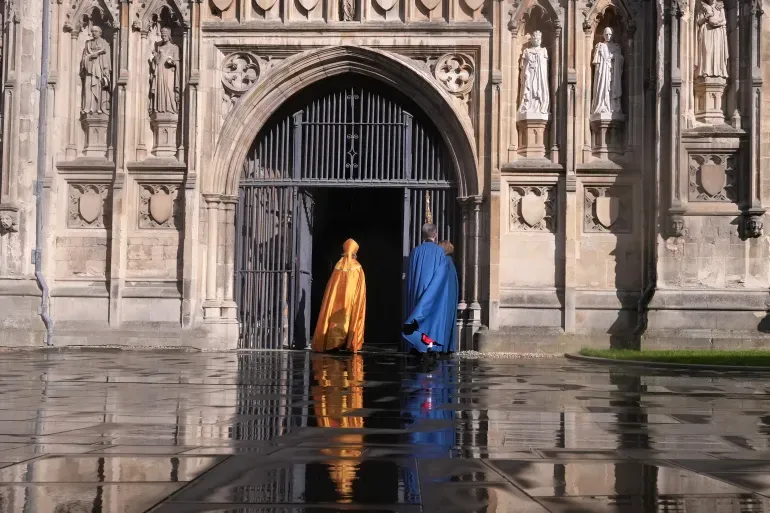
The ceremony began with Mullally knocking on the cathedral’s west door. She wore a cope with a clasp like her old nurse's belt. Children greeted her, and prayers in many languages, including Urdu, filled the cathedral.
Mullally also wore a ring given to a past archbishop, Michael Ramsey, by Pope Paul VI in 1966. This ring symbolizes better relations between Anglicans and Catholics. King Henry VIII separated from the Roman Catholic Church centuries ago.
The ceremony took place on the Feast of the Annunciation. This day celebrates the angel telling Mary she would be the mother of Jesus. This was a main theme of the service.
Bishop Philip Mounstephen blessed Mullally during the service. He told Reuters that a woman taking such an "ancient office" was a historic event. He noted it signals a "huge change" in the Church.
Bridging Divisions
Mullally's appointment last October faced criticism from the Global Anglican Future Conference. This group, mainly from churches in Africa and Asia, opposes same-sex blessings and women leaders. However, the group decided against appointing a rival leader. Instead, they will form a new council.
This new body will include bishops, clergy, and lay members with voting rights. It will bring together provinces that have distanced themselves from Canterbury.
The Anglican Consultative Council also dropped a plan for a rotating presidency. This move would have lessened Canterbury's traditional leadership role. Concerns arose that it could create a rival center of authority.
Tensions between progressive and conservative Christians are common. However, the archbishop's role is mostly symbolic. It relies on persuasion, unlike the Pope, who has clear authority over Catholics.
Recent archbishops have struggled to unite the Church. Deep divisions exist over LGBTQ issues and women's leadership. The Church of England is becoming more progressive, while other provinces remain traditional.
Mullally has stressed unity despite differences. She told Reuters last October, "We’re a family with a shared root, and with any global church, there is great diversity in it."
The Church of England separated from Rome almost 500 years ago. Since then, the archbishop of Canterbury has been the symbolic head of the Anglican Communion. This communion grew worldwide through missionary work, especially in former British Empire countries.