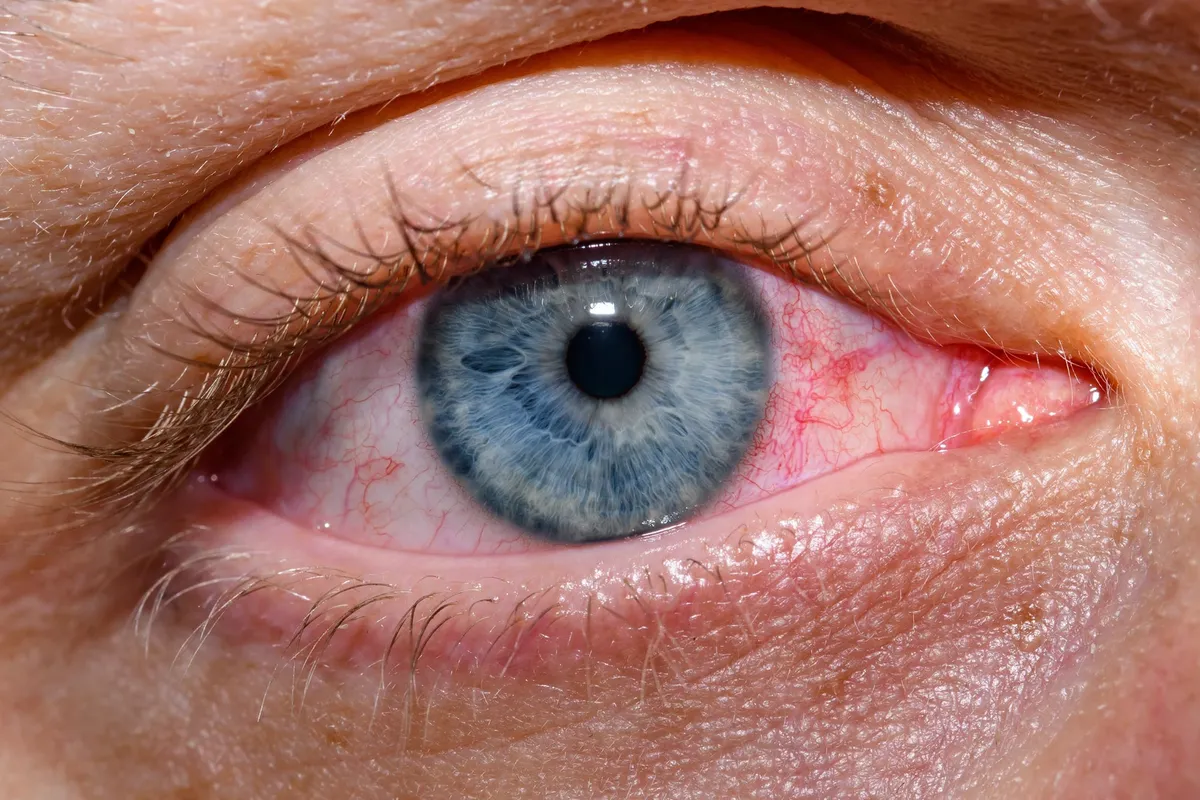
For anyone who's ever felt like their eyeballs were auditioning for a desert movie, dry eye disease is no joke. It's that constant gritty, blurry, red-eyed feeling that makes you want to live in a humidifier. Current treatments often just batten down the hatches against inflammation. But now, scientists might have cooked up something that actually repairs the eye's natural defenses, rather than just calming the storm.
Researchers at Baylor College of Medicine and Okayama University in Japan have developed an experimental eye drop that, in mouse studies, didn't just reduce inflammation. It started bringing back the eye's built-in protective systems. Think of it as teaching your eye to defend itself again, instead of just handing it a tiny, steroid-laced umbrella.
The Problem with Current Solutions
Dry eye is a surprisingly common antagonist, especially as we age or, statistically speaking, if you're a woman. It happens when your eyes either don't produce enough tears or those tears evaporate faster than a good idea on a Monday morning. In severe cases, it can actually damage the cornea, turning simple tasks like reading or driving into a squinting nightmare.
We're a new kind of news feed.
Regular news is designed to drain you. We're a non-profit built to restore you. Every story we publish is scored for impact, progress, and hope.
Start Your News DetoxRight now, the go-to often involves steroid drops. They're great at taming the immune system's overzealous inflammation, but they come with a catch: long-term use can lead to glaucoma or cataracts, which, if you think about it, rather defeats the purpose of seeing better. So, the search for something smarter has been, shall we say, urgent.
Boosting the Eye's Homegrown Heroes
The eye actually has its own internal security detail: resident macrophages. These immune cells are usually the good guys, cleaning up debris, keeping inflammation in check, and generally being helpful. But with dry eye, this system goes a bit haywire. Inflammatory cells crash the party, and the good-guy macrophages stop being so helpful.
Dr. Stephen Pflugfelder at Baylor and Dr. Hiroki Kakuta from Okayama University figured: what if we could supercharge those protective macrophages? Dr. Kakuta, a specialist in steroid alternatives, had developed compounds called rexinoids. One of them, NEt-3IB, looked particularly promising for boosting the good macrophages.
The only snag? The original compound wasn't exactly water-soluble, which is a bit of an issue for eye drops. So, they tinkered with it until it dissolved perfectly while still whispering sweet nothings to the macrophages, encouraging them to get back to work.
Promising Results, Less Pressure
The NEt-3IB eye drops in the mouse study did exactly what the scientists hoped. They nudged the resident macrophages to produce fewer inflammatory compounds and more healing ones. It also helped maintain the corneal barrier and kept those crucial goblet cells (which stabilize your tear film) in good shape.
Perhaps the most compelling part? While steroid drops can increase eye pressure (a glaucoma risk), NEt-3IB caused significantly less pressure increase than a common steroid. Which, if it holds up in human trials, means a much safer option for long-term relief. It's not just putting out fires; it's fireproofing the building. Let's hope human eyes agree.