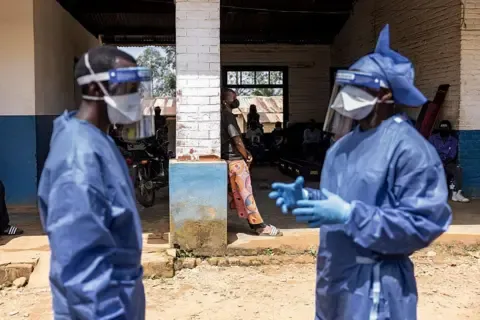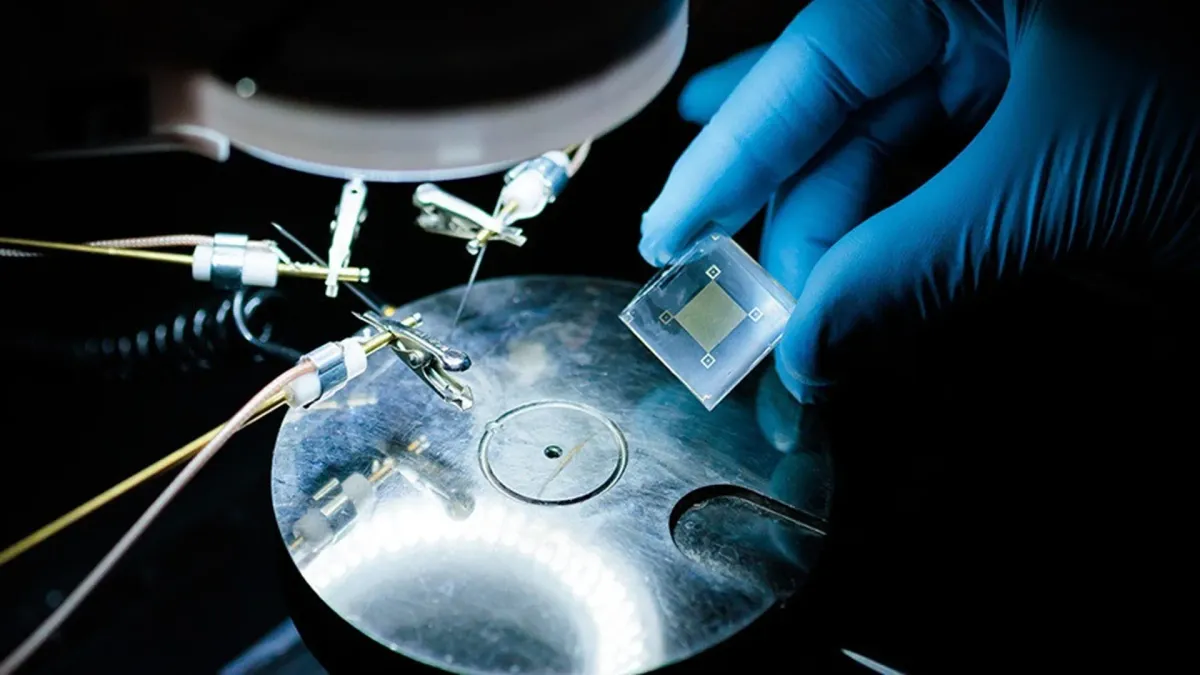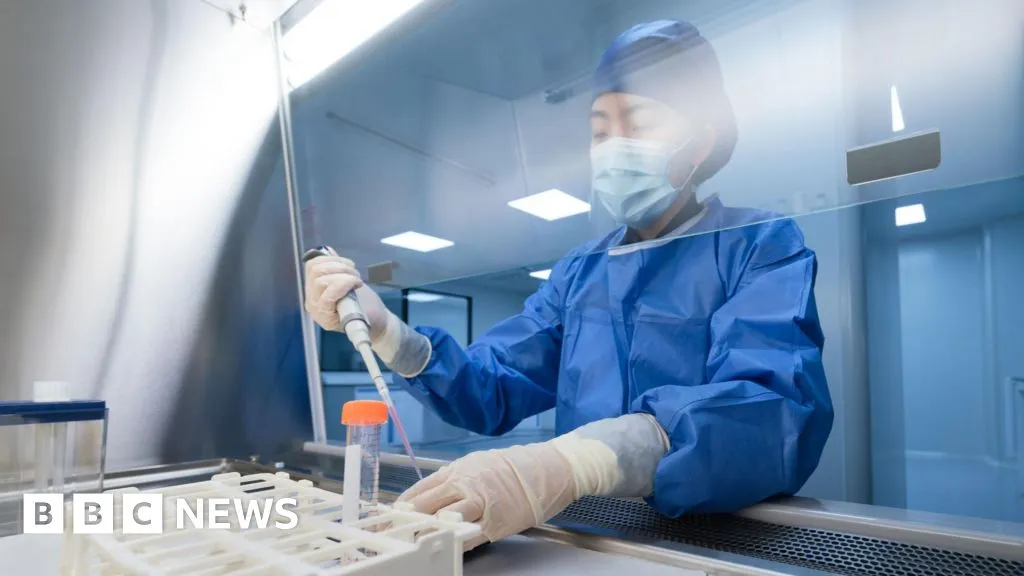
Scientists at Oxford University have created a new vaccine. It could be ready in months to help fight the current Ebola outbreak. This outbreak is happening in the Democratic Republic of Congo.
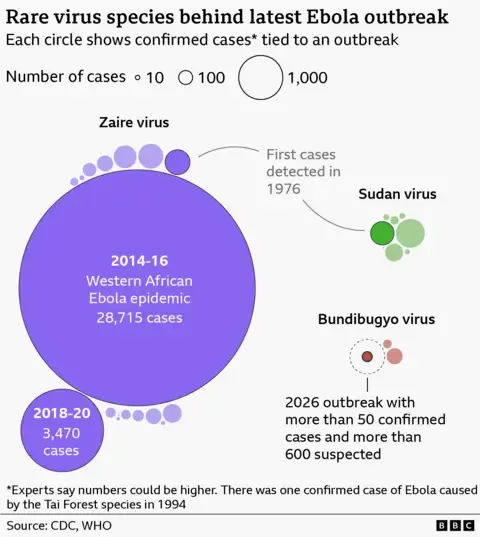
The outbreak has about 750 suspected cases and 177 deaths. It involves a rare type of Ebola called Bundibugyo. This species kills about one-third of those infected. There is no proven vaccine for it yet.
Researchers are working quickly in case the outbreak gets worse and their experimental vaccine is needed. The World Health Organization (WHO) recently declared this a public health emergency. However, they noted it is not a pandemic.
We're a new kind of news feed.
Regular news is designed to drain you. We're a non-profit built to restore you. Every story we publish is scored for impact, progress, and hope.
Start Your News DetoxThe Oxford Vaccine
The new vaccine uses technology similar to the one developed for Covid. This technology, called ChAdOx1, can be quickly changed to target different infections. For Covid, it carried genetic code from the Covid virus. This time, it carries genetic code from the Bundibugyo Ebola species.
The vaccine uses a common cold virus that usually infects chimpanzees. This virus is modified to be safe for humans. It delivers genetic material about the Bundibugyo Ebola virus to cells. This teaches the body to recognize and fight the disease.
The vaccine does not cause infection or Ebola symptoms. Instead, it trains the immune system to protect against the virus. Animal testing is already happening in Oxford.
There is no guarantee the vaccine will work. More animal research and human trials are needed to confirm its effectiveness. The Serum Institute of India is ready to produce the vaccine in large amounts once Oxford provides the necessary materials.
Professor Lambe, from the Oxford Vaccine Group, said they can produce the vaccine quickly and in large quantities. The WHO believes the vaccine could be ready for clinical trials in two to three months. Lambe stressed the importance of speed. He said they must prepare for the worst, even if contact tracing and quarantine are enough.
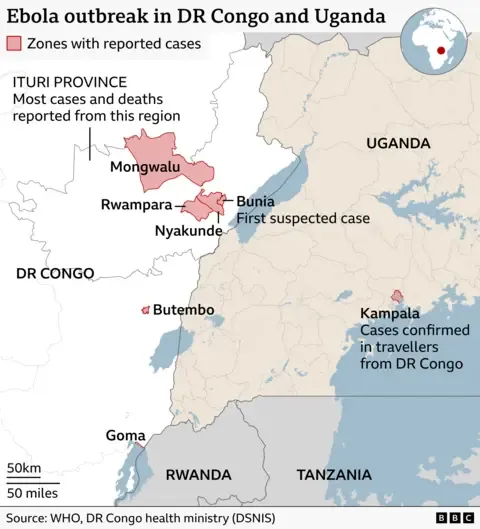
This Ebola outbreak is challenging because it's caused by a rare species. There are six types of Ebola, but only three cause major outbreaks. Bundibugyo has only caused two previous outbreaks, in Uganda in 2007 and DR Congo in 2012. It has not been seen for over 10 years.
There is a vaccine for the more common Zaire species of Ebola. However, there is no proven vaccine for Bundibugyo. Another experimental Bundibugyo vaccine is being developed, but it might take six to nine months to be ready for testing.
Ebola vaccines are not used for everyone, like during the Covid pandemic. Instead, they use a method called ring vaccination. This means only people most likely to get infected are vaccinated. This includes close contacts of Ebola patients and healthcare workers.
The Oxford team was already working on similar vaccines for the Sudan species of Ebolavirus and Marburg virus.