You know that vitamin D is good for bones, maybe even your mood. But what if it could also stop prediabetes from spiraling into full-blown type 2 diabetes? Well, scientists say it can — but only if your genes are on board.
Turns out, whether that daily D does its magic might depend on a few tiny tweaks in your DNA. Which, if you think about it, is both incredibly specific and slightly unfair.
More than 40% of adults in the U.S. are walking around with prediabetes. That’s roughly 115 million people with blood sugar levels doing a slow creep towards the danger zone. For a while, the medical world has been kicking around the idea that vitamin D could be a secret weapon in slowing that progression.
We're a new kind of news feed.
Regular news is designed to drain you. We're a non-profit built to restore you. Every story we publish is scored for impact, progress, and hope.
Start Your News DetoxYour Genes, Your D
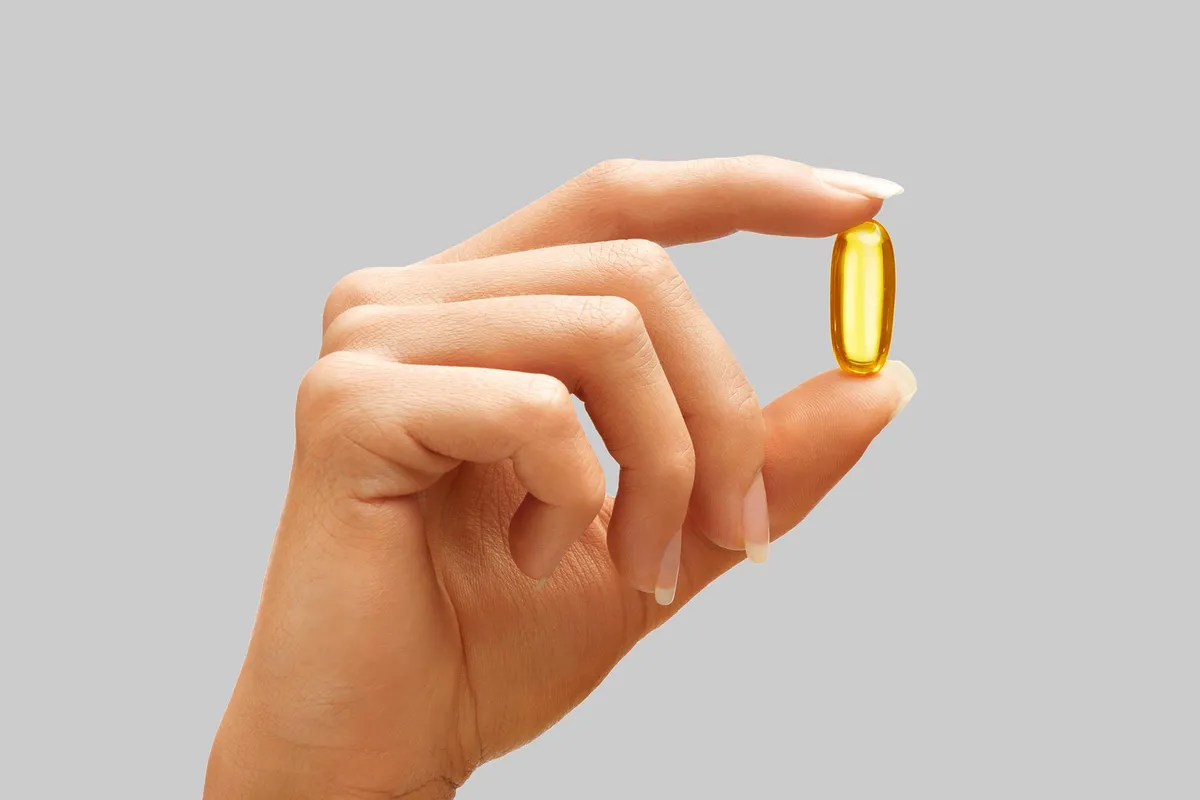
A study in JAMA Network Open dove into this, looking at adults with prediabetes who were popping a hefty 4,000 IU of vitamin D daily. The big reveal? Those with certain variations of the vitamin D receptor gene saw their diabetes risk drop by a rather satisfying 19%.
This wasn't just a shot in the dark. The research team sifted through data from the D2d study, a massive trial involving over 2,000 U.S. adults. The original trial didn't show a sweeping benefit for everyone, which left lead author Bess Dawson-Hughes wondering if some people were just built differently.
And they are. Vitamin D needs to be activated, then it latches onto a receptor protein to do its job. Scientists figured that if your receptors are a little different, maybe they're just not as good at grabbing that D. The pancreas, which makes insulin, has these receptors too, hinting at D's role in blood sugar control.
So, they looked at the genetic data of 2,098 participants. What they found was that about 30% of folks had an 'AA' variation of a specific gene (ApaI vitamin D receptor, if you're curious). For them, high-dose vitamin D was a shrug. But if you had the 'AC' or 'CC' variations? Bingo. Significantly lower risk of developing diabetes.
Anastassios Pittas, the study's senior author, called this a “key step” toward personalized diabetes prevention. And why not? Vitamin D is cheap, easy to find, and generally simple to take. Just don't go chugging it by the gallon without talking to your doctor, because too much of a good thing can, in fact, be a bad thing (think: higher risk of falls and broken bones for older adults).
Essentially, a simple, inexpensive genetic test could soon tell you if your vitamin D supplements are actually doing what you hope they are. Because who doesn't want their body to finally get with the program?