Linus Pauling, a two-time Nobel Prize winner, was convinced that megadoses of vitamin C could wipe out cancer. Most doctors at the time rolled their eyes, dismissing it as pure quackery. Pauling himself died of cancer at 93, giving his critics plenty of fodder to say, "See? We told you so."
Fast forward a few decades, and science is having a bit of an awkward moment. Turns out, Pauling might have been on to something, just not in the way he thought. Researchers are now seriously investigating whether very high doses of vitamin C, delivered under very specific conditions, could actually act like a drug, not just a supplement.
The IV Drip vs. The Pill Bottle
Back in the 1970s, Pauling and Scottish physician Ewan Cameron started treating advanced cancer patients with massive amounts of vitamin C. They'd start with an IV, then switch to oral tablets. Their reports claimed these patients lived longer and felt better.
We're a new kind of news feed.
Regular news is designed to drain you. We're a non-profit built to restore you. Every story we publish is scored for impact, progress, and hope.
Start Your News DetoxNaturally, this grabbed attention, leading the prestigious Mayo Clinic to launch its own trials. The results? A resounding shrug. No improvement in survival for patients who took vitamin C pills. Case closed, or so everyone thought.
Here's the kicker: Pauling and Cameron started with intravenous vitamin C. The Mayo Clinic only used pills. Your gut can only absorb so much vitamin C from a tablet. You can swallow a whole bottle, and your blood levels will still hit a ceiling faster than a teenager trying to sneak out after curfew.
But when you inject vitamin C directly into the bloodstream, levels can skyrocket — tens, even hundreds of times higher than what a pill can achieve. And at these extreme concentrations, vitamin C stops being your friendly antioxidant and starts acting like a tiny, targeted wrecking ball.
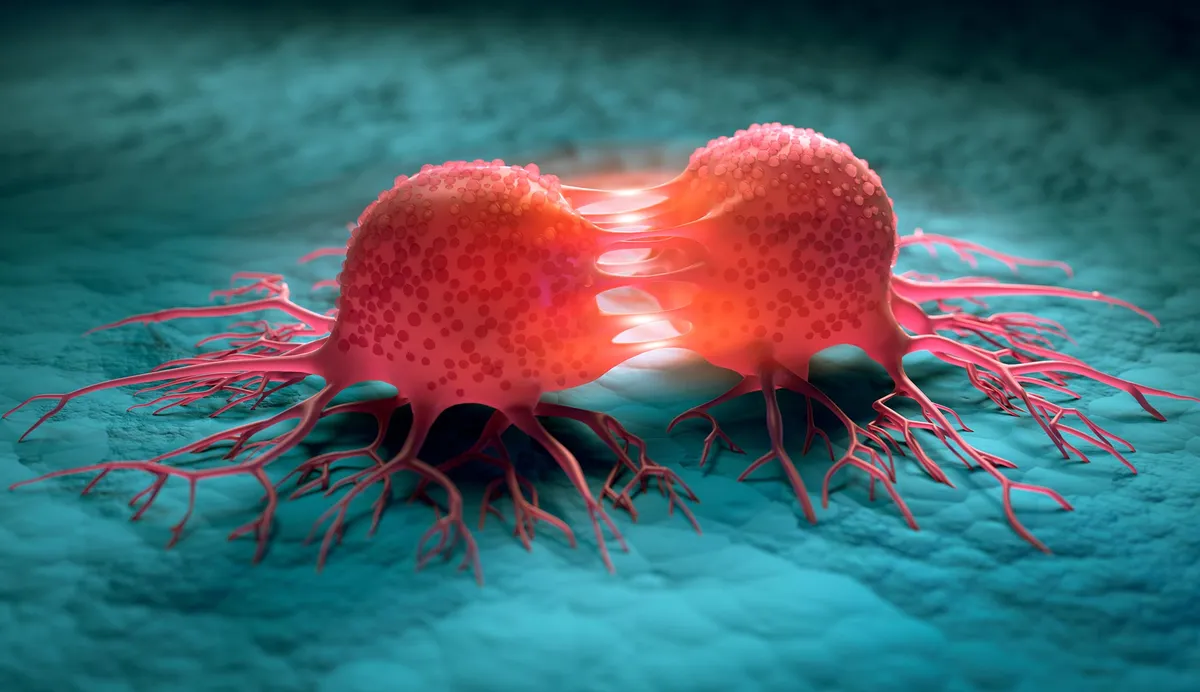
Normally, vitamin C protects cells. But at these super-high levels, especially around tumors, it can flip roles. Lab studies show it helps create hydrogen peroxide, a substance that damages cells. Cancer cells, already stressed and often struggling for oxygen, are particularly vulnerable. A sudden flood of hydrogen peroxide can trash their DNA and energy systems, sending them to an early grave. Healthy cells, being, well, healthier, are much better equipped to shrug it off. It's like a weak, selective chemotherapy, all thanks to a vitamin.
The Unfinished Story
In humans, the jury's still out, but the evidence is building. Small trials have given high-dose IV vitamin C to patients with tough-to-treat cancers like ovarian, pancreatic, or brain tumors. Many tolerate it several times a week with surprisingly few side effects, though it's not for everyone (looking at you, folks with kidney issues).
Some studies hint that adding IV vitamin C to chemo might extend life a little or reduce side effects. Others show no clear benefit. We need bigger, more definitive trials to really nail this down. But one consistent finding is hard to ignore: quality of life. Patients getting vitamin C infusions alongside chemo often report less fatigue, less pain, and fewer side effects like nausea. For someone battling advanced cancer, that's no small thing. Even if it's not a cure, feeling better matters.
So, Pauling was partly right, which is a surprisingly nuanced outcome for a man once accused of peddling pseudoscience. He didn't fully grasp the mechanism, and he definitely oversold the power of oral tablets. But he had a gut feeling that vitamin C, in truly massive doses delivered intravenously, had a secret weapon up its sleeve. Modern research is finally catching up, confirming those sky-high blood levels and their unique biological punch.
Until large trials prove it unequivocally extends life, IV vitamin C remains experimental. But it's promising enough that the scientific community isn't laughing anymore. They're studying. And that, if you think about it, is a pretty satisfying full-circle moment.