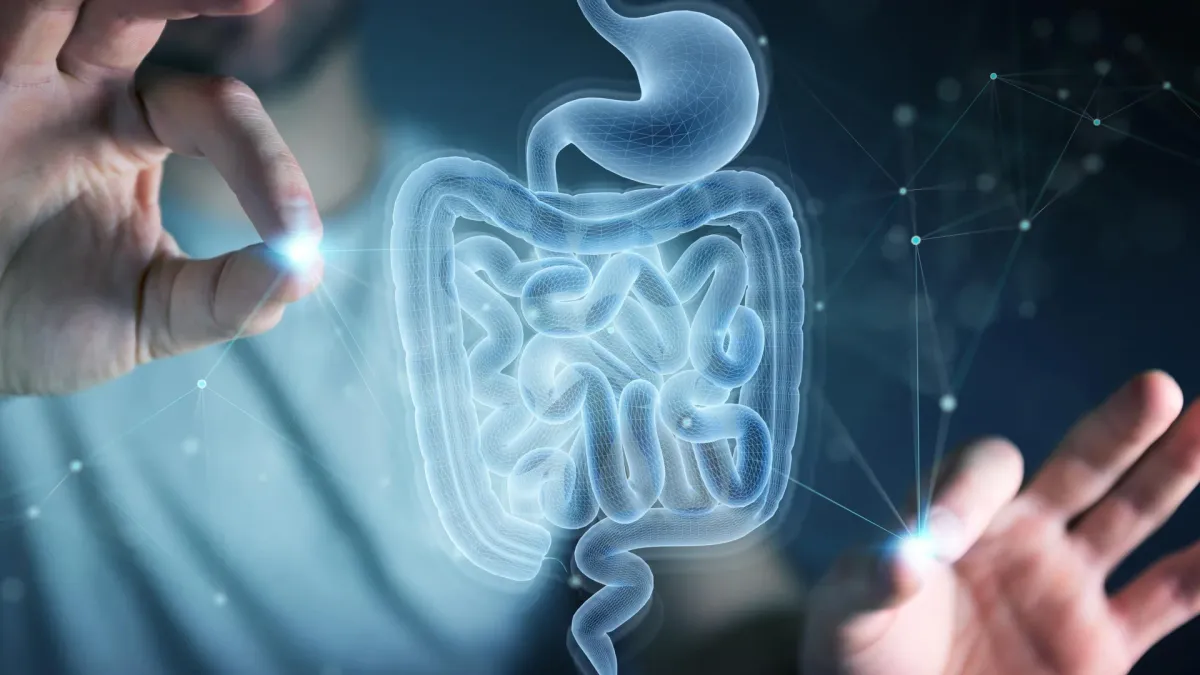
Turns out, your gut might have a secret self-healing superpower, and it’s powered by something you’re probably already eating. MIT scientists just dropped the news that a common amino acid, cysteine, can kick your immune cells into gear to repair damaged intestinal tissue. Because who needs a superhero cape when you have… well, meat, dairy, and beans?
This isn't some synthetic lab concoction. We're talking about a natural compound found in pretty much any high-protein food. The discovery, made in mice, could be a game-changer for cancer patients, whose guts often take a brutal hit from radiation and chemotherapy. Imagine: a cysteine-rich diet or supplement helping them bounce back faster. Suddenly, that chicken breast is looking less like dinner and more like a prescription.
How Your Dinner Plate Becomes a Repair Crew
Omer Yilmaz and his team at the MIT Stem Cell Initiative wanted to see how different amino acids — the building blocks of protein — affected stem cells. So, they fed mice diets rich in one of 20 different amino acids. Cysteine, it turns out, was the Beyoncé of the bunch, showing the strongest effect on regenerating intestinal stem cells and their immature cousins, progenitor cells.
We're a new kind of news feed.
Regular news is designed to drain you. We're a non-profit built to restore you. Every story we publish is scored for impact, progress, and hope.
Start Your News DetoxThe researchers then traced a fascinating chain reaction. When intestinal cells absorb cysteine, they convert it into a molecule called CoA. This CoA then makes its way to the intestinal lining and is absorbed by a type of immune cell called CD8 T cells. Up until now, these CD8 T cells weren't really known for this particular party trick.
But once activated, these T cells multiply and start churning out IL-22, a signaling protein that's basically a five-star general for gut repair and stem cell regeneration. So, a cysteine-rich diet means more of these IL-22-producing T cells, which means your gut gets its own rapid-response repair crew.
These activated T cells gather right in the small intestine lining, which makes perfect sense, as that’s where most dietary protein gets absorbed. This strategic placement allows them to spring into action the moment damage occurs. And they did: mice on a cysteine-rich diet recovered significantly better from radiation damage and even from a common chemotherapy drug.
While cysteine is already known for its antioxidant properties, this study is the first to show it can directly supercharge intestinal stem cell regeneration. The MIT team is now looking into whether cysteine can work its magic on other tissues, like hair follicles. Because if it can heal your gut, who's to say it can't bring back your luscious locks? That's a supplement aisle we'd all pay attention to.