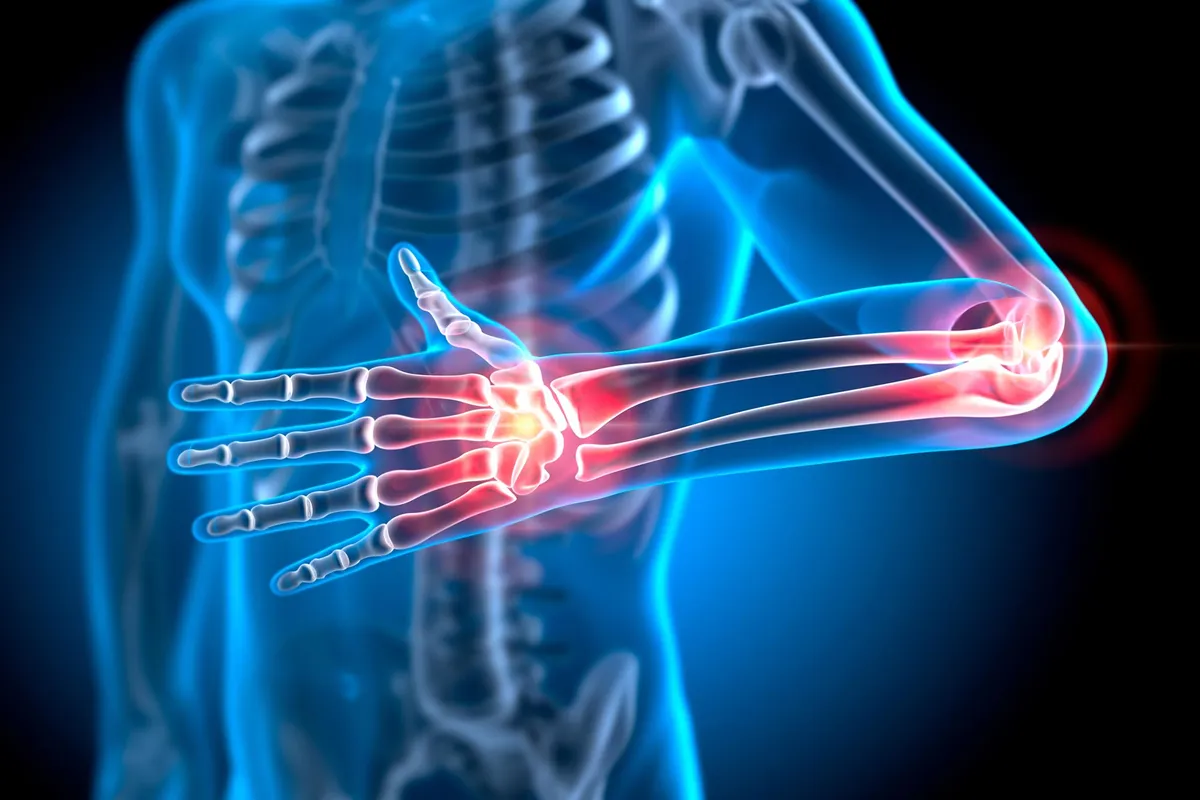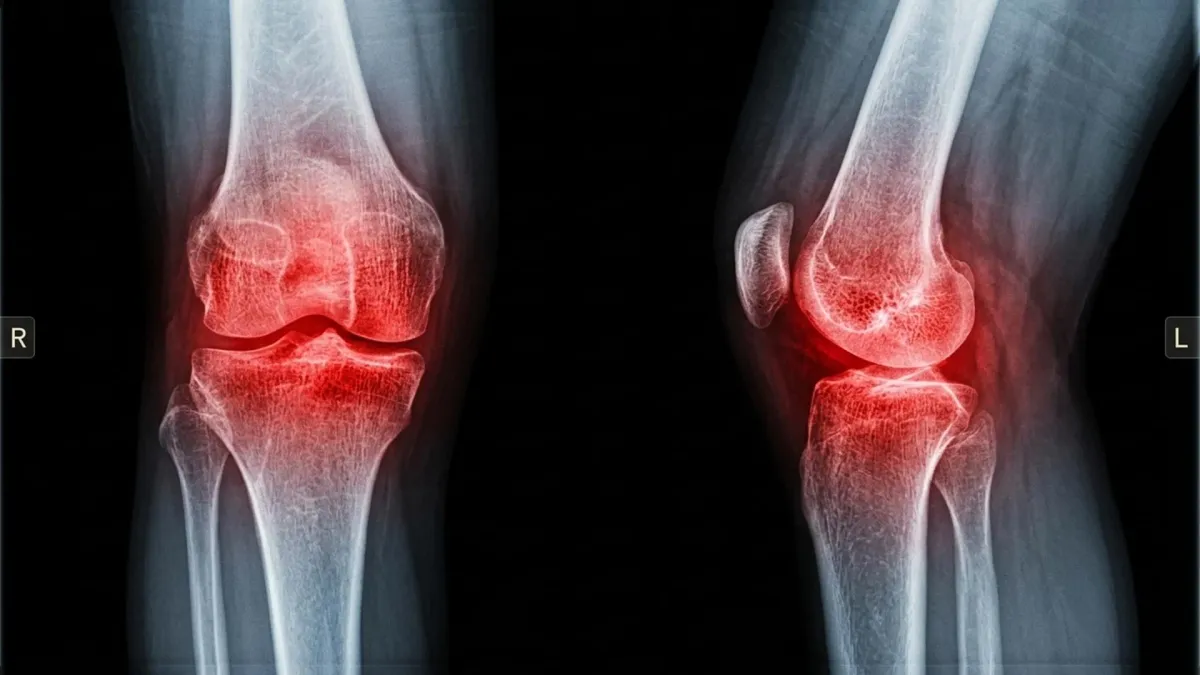
A simple change in how people walk might greatly reduce knee arthritis pain. It could even protect joints from further damage. This discovery offers new hope for millions with knee osteoarthritis.
In a year-long study, researchers found that slightly changing a person's foot angle while walking eased knee pain as much as common medicines. MRI scans also showed less cartilage damage inside the joint.
A New Approach to Knee Pain
About one in four adults over 40 has painful osteoarthritis. This condition makes daily movement hard and is a main cause of adult disability. The disease slowly wears down the cartilage that cushions joints. Once this damage happens, doctors cannot reverse it. Treatments usually focus on pain relief, with joint replacement as an option for severe symptoms.
We're a new kind of news feed.
Regular news is designed to drain you. We're a non-profit built to restore you. Every story we publish is scored for impact, progress, and hope.
Start Your News DetoxResearchers from the University of Utah, New York University, and Stanford University found a different solution: changing how a person walks.
Personalized Foot Angle Adjustments
In a year-long study, people with knee osteoarthritis learned to make a small, custom change to their foot angle when walking. The results were impressive. Those who received the real walking training reported pain relief similar to medication. MRI scans suggested they had less knee cartilage damage than a group that received a sham treatment.
The study, published in The Lancet Rheumatology, was co-led by Scott Uhlrich. He is an assistant professor of mechanical engineering at the University of Utah. This was the first study to show that a physical intervention could treat osteoarthritis symptoms and possibly slow joint damage.
Uhlrich explained that higher knee loads speed up osteoarthritis. Changing the foot angle can reduce this load. He noted that while the idea of a physical intervention isn't new, this was the first study to prove its effectiveness with a placebo control.
Why Custom Treatment Matters
The study focused on people with mild to moderate osteoarthritis in the inner side of the knee. This area often carries more weight, making it a common spot for knee osteoarthritis.
The best walking adjustment is different for everyone. Some people reduce knee load by turning their toes slightly inward. Others benefit more from pointing them outward. For some, the wrong change might not help or could even increase stress on the painful part of the knee.
Uhlrich said earlier trials gave everyone the same intervention. This meant some people didn't reduce their joint loading, or even increased it. The new study used a personalized approach. This helped individuals offload their knee more, which likely led to the positive effects on pain and cartilage.
Other research supports this. A 2024 study in Bioengineering found that inward and outward foot rotation affected different peaks of knee loading. It did not significantly increase ankle joint stress. Wearable sensors can also measure foot angle outside a lab. This suggests future versions of this approach could be easier to use in daily life.
How the Study Worked
Participants first had an MRI and walked on a special treadmill. Motion capture cameras recorded their walking. Researchers used this data to figure out if turning toes inward or outward, and by how much (5° or 10°), would help each person most.
Some people were excluded if no foot angle change reduced their knee loading. The researchers believe including such people in past studies might explain why those results were less clear.
Of 68 participants, half received real walking training. The other half got a sham treatment, where they walked with their natural foot angle. The intervention group received the foot angle change that best reduced knee loading.
Learning a New Way to Walk
Both groups had six weekly training sessions. They walked on a treadmill with a device on their shin that vibrated to help them keep the assigned foot angle.
After training, participants were asked to practice the new walking pattern for at least 20 minutes daily. The goal was for it to become automatic. Follow-up visits showed participants generally stayed within one degree of their assigned foot angle.
After one year, participants reported their knee pain. They also had a second MRI to check cartilage health.
Uhlrich said the pain decrease was like what you'd expect from ibuprofen or even a narcotic. He added that the MRIs showed slower breakdown of a cartilage health marker in the intervention group, which was very exciting.
A Drug-Free Solution
Many participants liked that this method didn't need pills, surgery, braces, or a device worn all day. One participant said they were thrilled it was "just a part of my body now."
This long-term adherence could be a major benefit. Many people get osteoarthritis decades before they can have a joint replacement. During this time, they often rely on pain medications.
Uhlrich noted that for people in their 30s, 40s, or 50s, osteoarthritis can mean decades of pain management. This intervention could help fill that treatment gap.
Why Not to Try This Alone
The researchers stress that this is not a simple "turn your toes in" or "turn your toes out" fix. The benefits came from careful measurement and personalization. For some, the wrong adjustment could make knee stress worse.
The process needs to be simpler before it can be widely used. The motion capture system is expensive and takes time. The research team hopes future versions could be delivered through physical therapy, with training during normal walks instead of just in a lab.
Uhlrich said they have developed technology using mobile sensors, like smartphone video and a "smart shoe," to personalize and deliver this intervention. More studies are needed before it can be widely available.
Deep Dive & References
Personalised gait retraining for medial compartment knee osteoarthritis: a randomised controlled trial - The Lancet Rheumatology, 2025