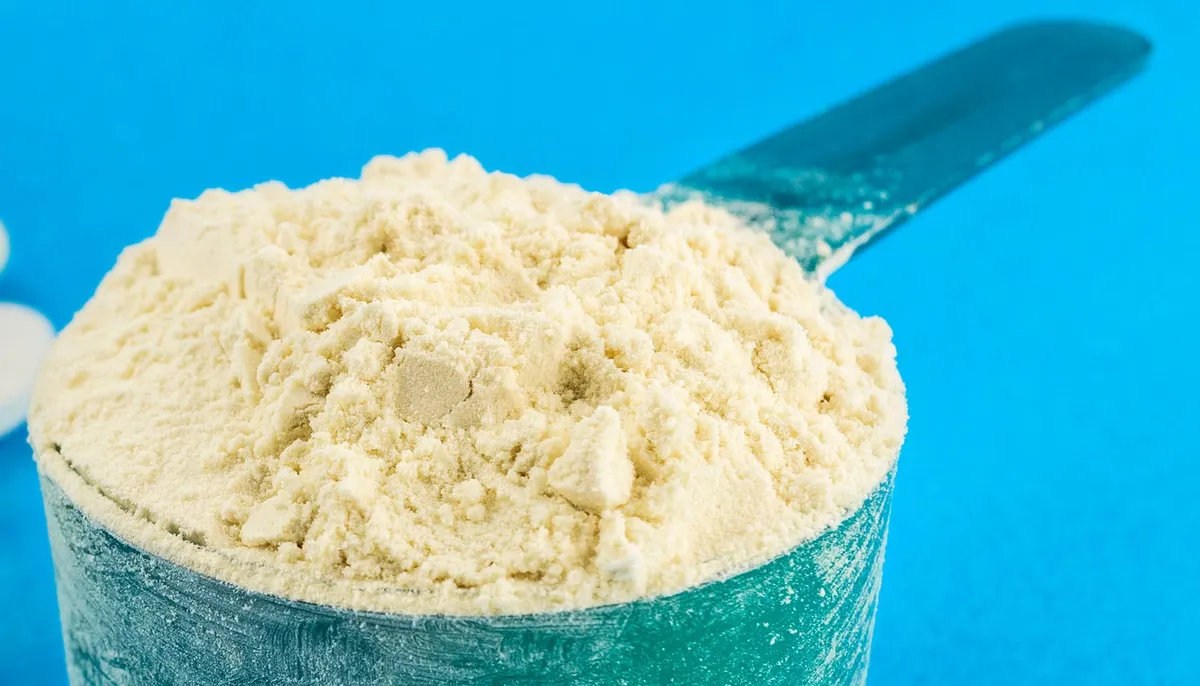
Turns out, the secret to staying strong as you age isn't found in a scoop of powder. It's found at the gym. A new study suggests that for most older adults, chugging protein shakes won't do much for muscle strength. Lifting weights, however, absolutely will.
This might come as a shock to anyone who's walked down a grocery aisle recently. Protein has become the magic ingredient in everything from cereal to yogurt, all promising to bulk you up. And for older adults, who naturally lose muscle strength over time (hello, falls and lost independence), the appeal is obvious. Except, according to research in the American Journal of Clinical Nutrition, protein alone isn't the muscle-building hero we thought it was.
Sweat, Not Shakes
Here's the dry, scientific truth: most older adults in the US already get enough protein. So, for them, hitting the weights is a far better bet for keeping those muscles spry, says endocrinologist Lisa Ceglia, lead author of the study from Tufts University. Because apparently, your body already knows what to do with the protein it's getting.
We're a new kind of news feed.
Regular news is designed to drain you. We're a non-profit built to restore you. Every story we publish is scored for impact, progress, and hope.
Start Your News DetoxMuscle strength starts its slow decline around age 40. Which, if you think about it, is both impressive and slightly terrifying. As kidneys become less efficient, the body starts breaking down muscle to neutralize acid buildup. Previous studies hinted that extra protein might slow this process, especially when combined with exercise. But the big question — could protein alone make a difference for healthy, well-fed individuals? Not so much.
The Great Protein Experiment
To find out, researchers enlisted 141 participants aged 65 and up. Some got whey protein capsules (packed with leucine, a known muscle-builder), while others got a placebo. Everyone also received potassium bicarbonate, an antacid, on the theory that neutralizing acid might help muscles recover. A pretty thorough setup.
After 24 weeks, the team measured everyone's strength. The results? A big, scientific shrug. The extra protein, with or without the antacid, made no difference. None. For men or women. Even though participants' bodies looked ready for muscle growth — they excreted acid like younger folks and had higher levels of a muscle-building hormone called IGF-1. It was all dressed up with nowhere to grow.
So, why the disconnect? Ceglia speculates the strength tests might not have been sensitive enough to catch tiny changes. Or, perhaps more tellingly, without the actual work of exercise, the body simply didn't know how to deploy all that extra protein.
When Protein Does Help
Now, there are exceptions. Protein supplements can be beneficial for people who are just starting a new exercise routine or those who become malnourished after a serious injury like a hip fracture. Think of Boost drinks prescribed after surgery. But for healthy folks just living their lives? "There’s no evidence that protein supplementation alone will have a huge impact on your strength and function," Ceglia notes.
Her recommendation for older adults looking to stay strong? Resistance training. "It’s the most consistently effective option we have for improving strength and function," she says. So, skip the powder, grab some dumbbells. Your muscles will thank you.