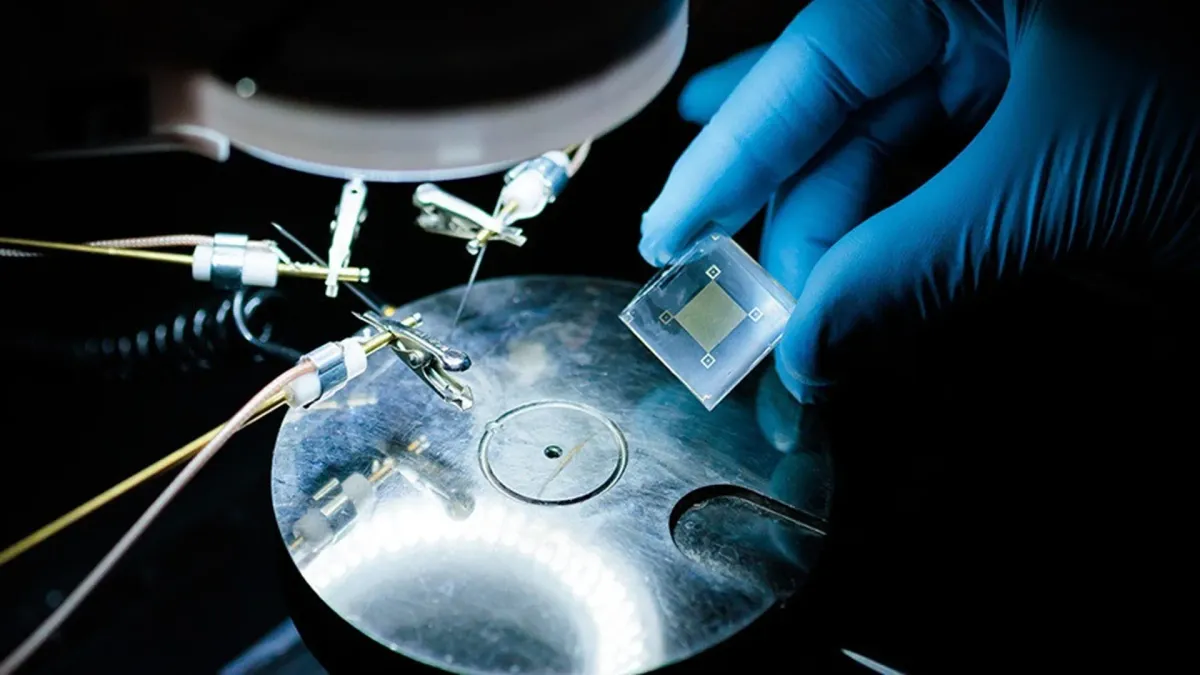
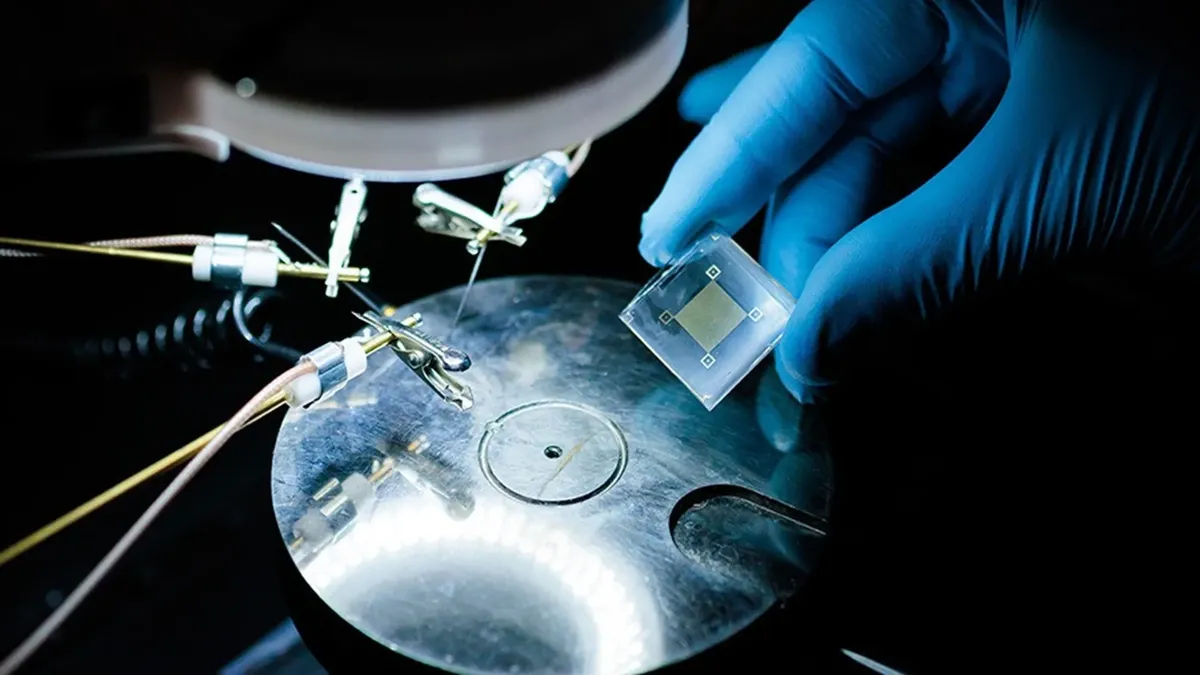
Researchers at the University of Chicago have created a flexible computing patch. This patch can process health data directly on the body in milliseconds. This means it doesn't need to send information to outside servers for analysis.
The device feels like skin. It uses organic electrochemical transistors to perform "neuromorphic computing." This type of computing mimics how the human brain works. The patch stays flexible, bending and stretching with human tissue. Experts believe this technology could lead to smarter wearable and implantable medical devices. These devices could make decisions almost instantly.
Local Processing for Critical Moments
Unlike typical wearables that send data elsewhere, this new system analyzes information right where it's collected. Researchers say this local processing is vital in medical emergencies. Even a few seconds of delay can be critical.
We're a new kind of news feed.
Regular news is designed to drain you. We're a non-profit built to restore you. Every story we publish is scored for impact, progress, and hope.
Start Your News DetoxTo show what it can do, the team tested the device with heart mapping data. This data was linked to ventricular fibrillation, a dangerous heart rhythm that can be deadly if not treated. The flexible patch found abnormal electrical signals in the heart with 99.6% accuracy. It worked even when stretched to more than one-and-a-half times its original size.
Advancements in Flexible Circuits
This work tackles a big challenge in wearable electronics. It focuses on building computing hardware that stays stable while flexing like human skin.
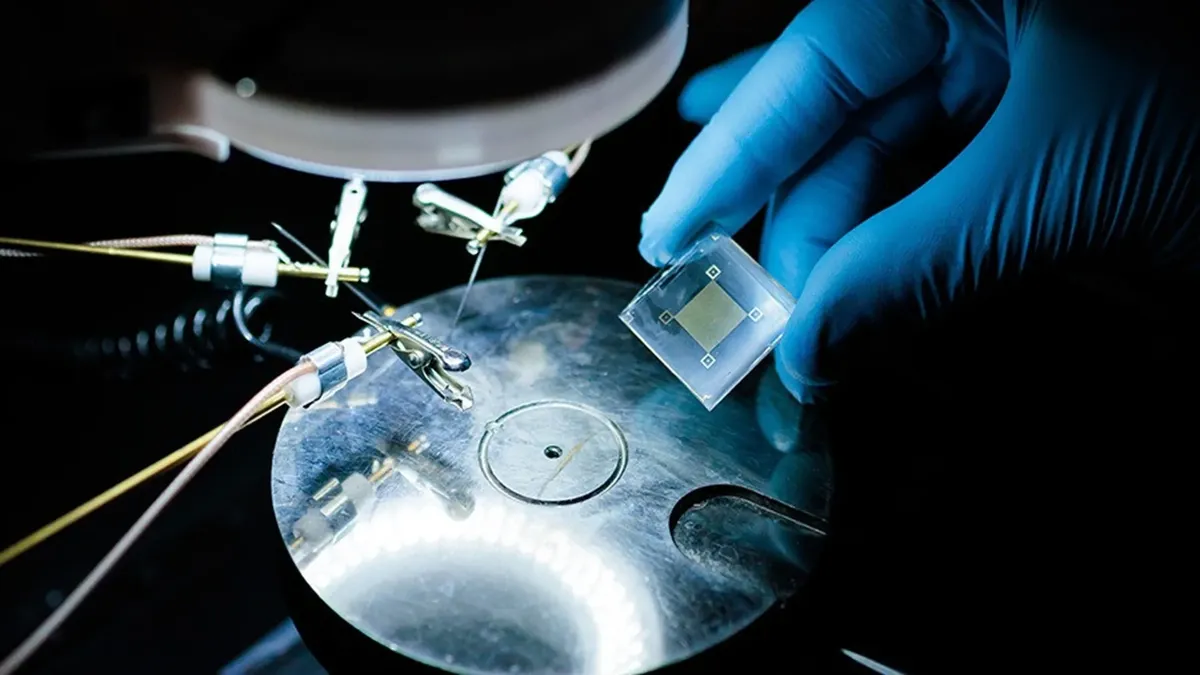
The researchers made the device using organic electrochemical transistors. These transistors process signals using both electrical currents and ions moving through a gel-like layer. This gel also gives the transistors a memory-like quality, allowing them to hold onto information over time.
However, making many of these systems in a small space was hard. The soft gel material could spread like a liquid and cause short circuits. Also, traditional chip-making methods risked damaging the flexible surface.
The team solved this by creating a polymer gel that hardens into precise patterns when exposed to ultraviolet light. This method allowed them to create about 10,000 transistors per square centimeter on flexible surfaces.
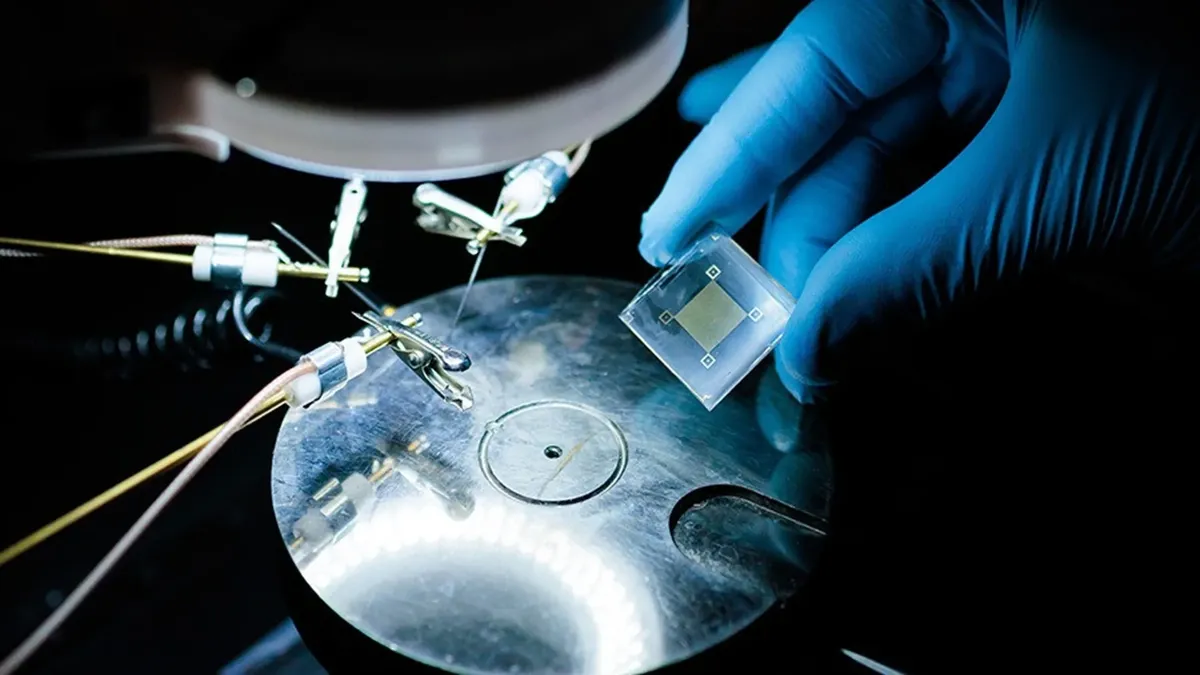
Sihong Wang, a professor at the University of Chicago and a lead author, explained that they had to figure out how to make these polymers work with photolithography. This is the main patterning method used in the microelectronics industry.
Faster Heart Data and Future Plans
The team also tested a neural network built into the device. It evaluated heart attack risk using personal health data like cholesterol levels, blood sugar, ECG readings, and maximum heart rate. The system was 83.5% accurate during these tests.
Researchers believe this technology could lead to wearable systems that not only sense health conditions but also analyze and respond to them directly on the body. Wang noted that remote computing is too slow for these situations. Having a computing device that can analyze data inside the body makes it possible.
Wang's team is now working to combine these computing arrays with flexible wireless communication systems and better sensors. Their goal is to create fully connected health platforms that work seamlessly with the body.
Fangfang Xia, a computer scientist and co-senior author, said that instead of sending data to a distant server, they can start understanding it right where life is happening.
Deep Dive & References: Skin-like autonomous computing patch maps fatal heart rhythms with 99.6% accuracy - Nature Electronics, 2024