Imagine a world where your electric car charges faster than you can order a coffee. Or where your phone goes from dead to full before you can even find your charger. That future just got a whole lot closer, thanks to a team of researchers in China who've cooked up a new solid-state lithium-metal battery that's not just powerful, but ridiculously fast.
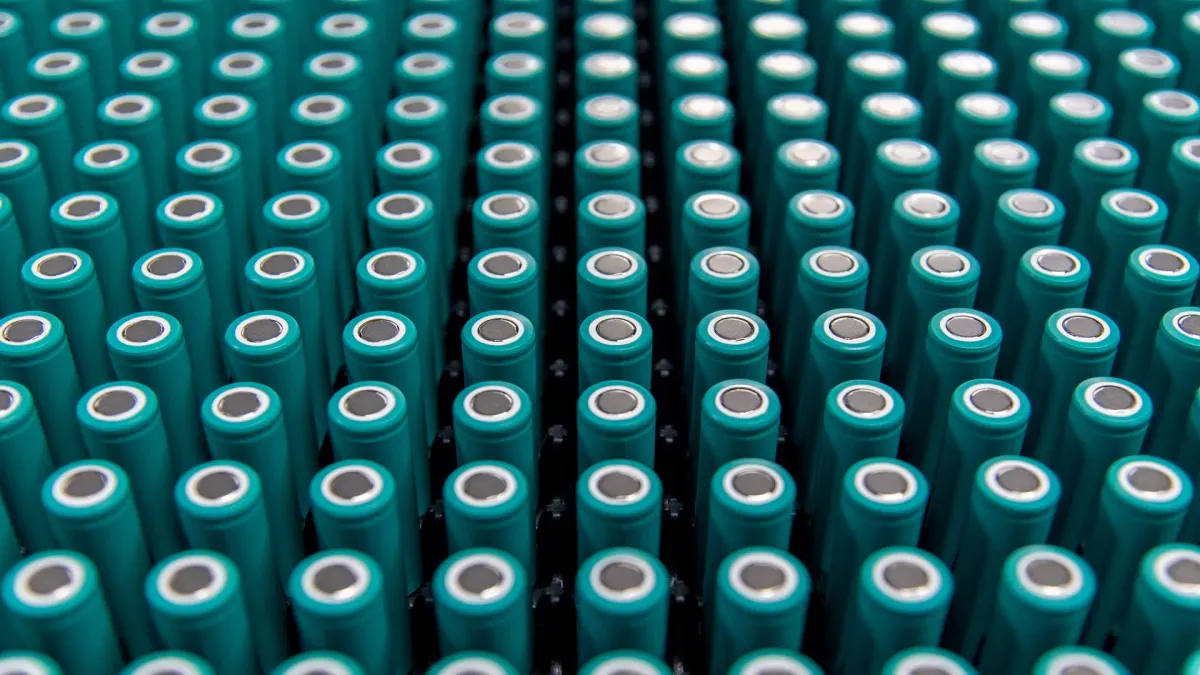
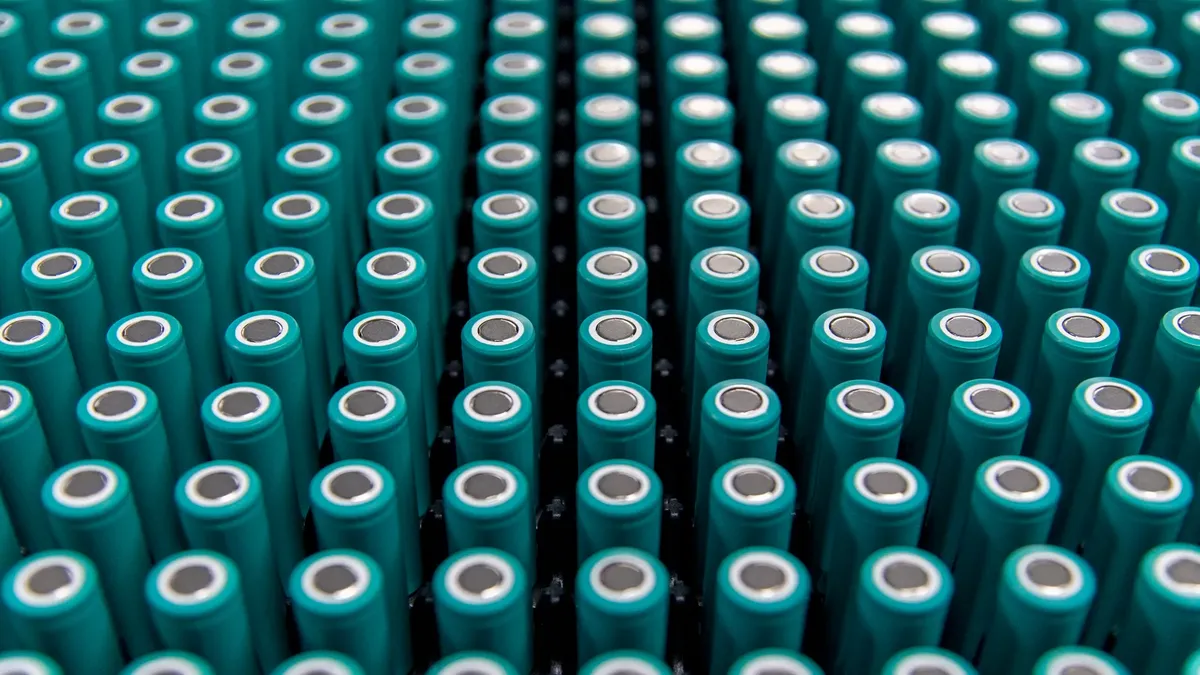
This new marvel hits an energy density of 451.5 watt-hours per kilogram (Wh/kg). To put that in perspective, it's more than double what you'd find in many commercial EV batteries right now. And the kicker? It can charge and discharge in a blistering three minutes. Let that sink in for a moment.
Oh, and it's also incredibly durable. The team put it through 700 cycles, and it still held onto 81.9% of its capacity. Because what good is a lightning-fast charge if the battery gives up the ghost after a few months, right?
We're a new kind of news feed.
Regular news is designed to drain you. We're a non-profit built to restore you. Every story we publish is scored for impact, progress, and hope.
Start Your News DetoxThe Secret Sauce
So, how did they pull off this magic trick? It all comes down to a clever tweak in the polymer electrolytes, specifically using a material called polyvinylidene fluoride (PVDF). While PVDF is great for solid-state batteries because it’s stable and conducts ions well, its usual plasticizers can be a bit… dramatic. They tend to cause unwanted reactions, making the electrolyte less effective.
The Chinese team sidestepped this by inventing something called a "compatibilizing-solvent plasticization" method. Essentially, they used a temporary solvent during preparation to help the polymer and more stable plasticizers play nice. As the temporary solvent evaporated, the good plasticizer stayed put, creating a lithium fluoride-rich layer that stopped those pesky unwanted reactions dead in their tracks.
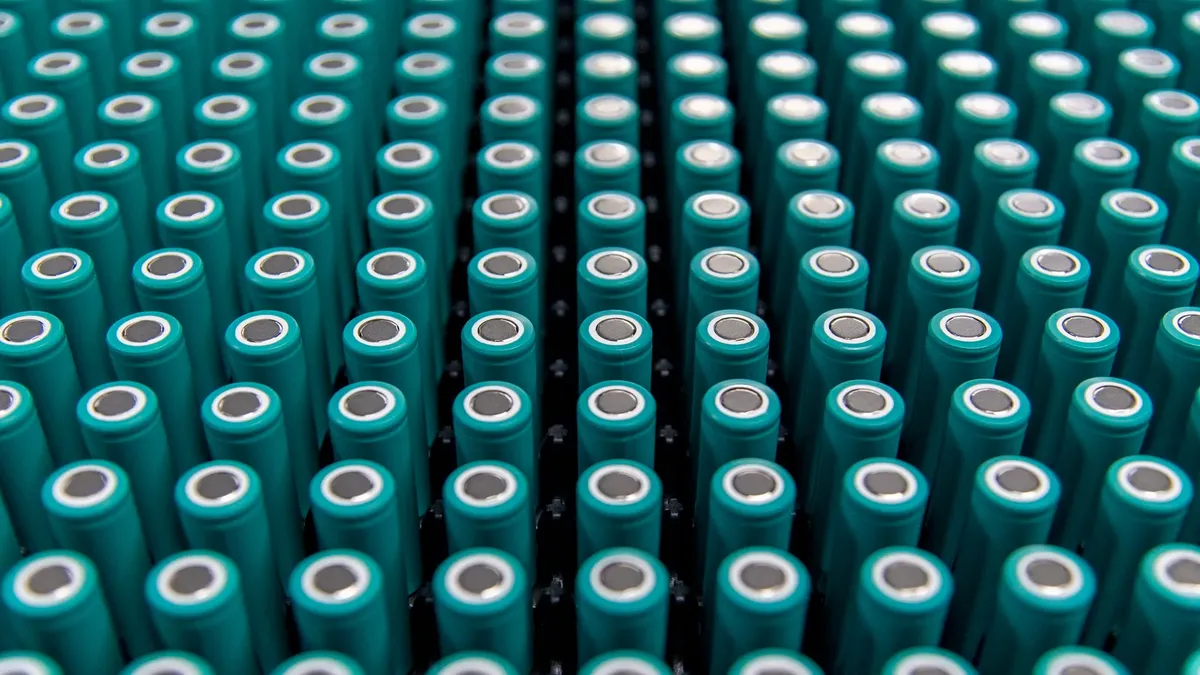
This isn't just a lab curiosity. The researchers built an ampere-hour-level pouch cell with a thin lithium-metal anode, achieving that eye-popping 451.5 Wh/kg energy density. And for those worried about safety (because, you know, exploding batteries aren't ideal), it even passed a nail-penetration test. Which, if you think about it, is both impressive and slightly terrifying.
While current lithium iron phosphate batteries still dominate China's EV market due to their lower cost, this new breakthrough points to a future where our devices and vehicles are powered by something far more efficient. Several Chinese battery companies are already aiming to release commercial solid-state batteries in the 400-500 Wh/kg range by 2026-2027. So, get ready for a world where battery anxiety is a thing of the past. Or at least, a much shorter thing.