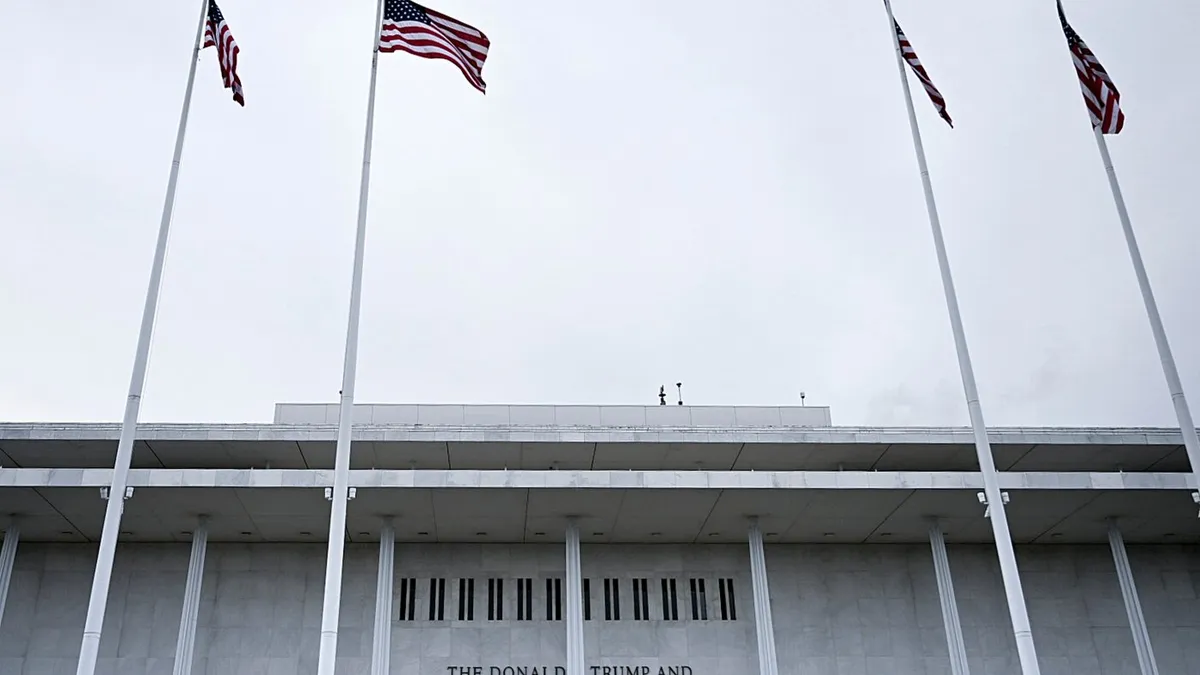
After 54 years, the Washington National Opera is leaving the Kennedy Center—not because of artistic disagreement, but because of math that simply didn't work.
The opera company's business model has always relied on a mix of ticket sales (covering roughly 30–60% of costs) plus grants and donations secured throughout the year. The Kennedy Center's new leadership introduced a different requirement: productions must be fully funded before planning begins. For an art form that depends on year-round fundraising and can't predict donation timing years in advance, the model was incompatible.
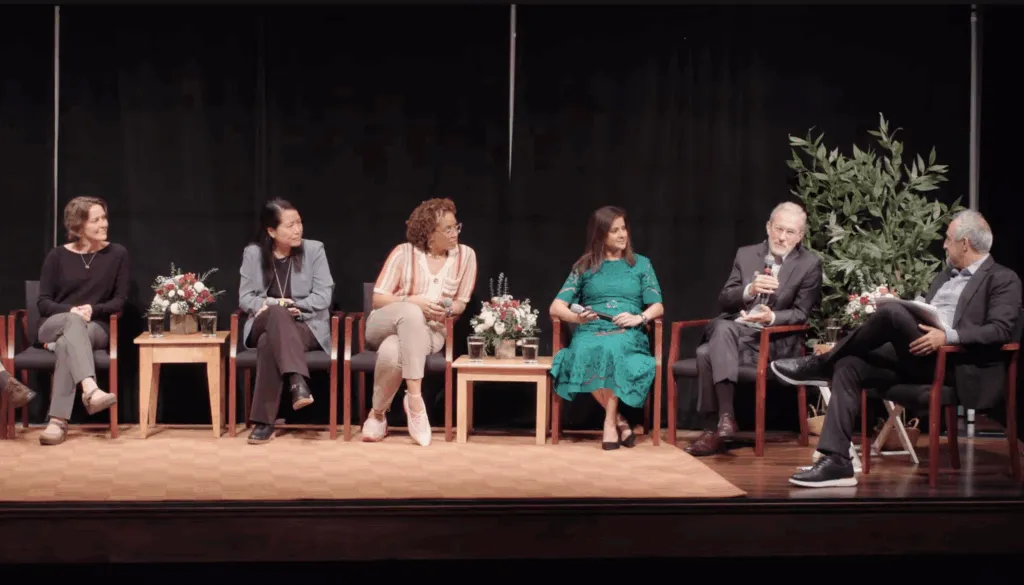
"It's not about whether we can survive," artistic director Francesca Zambello explained. "It's about whether we can stay true to what we do." That mission includes balancing beloved classics with experimental and lesser-known works—programming that doesn't always guarantee box office success but keeps the art form alive.
We're a new kind of news feed.
Regular news is designed to drain you. We're a non-profit built to restore you. Every story we publish is scored for impact, progress, and hope.
Start Your News DetoxThe split highlights a real tension in how cultural institutions operate. Opera companies across the country face similar pressures: how to sustain artistic ambition when funding models demand certainty that the arts rarely offer. Washington National Opera's decision to leave signals confidence that independence might actually serve them better. They're now exploring new venues and partnership models that align with how they actually raise money and make art.
Francesca Zambello's statement about the future was notably grounded: "Our repertory will continue to include diverse offerings, from monumental classics to more contemporary works, presented in bold visual productions with first-class musical values." Not a promise of transformation, but a recommitment to what they've always done well.
The Kennedy Center's executive director Richard Grenell called the separation "the best path forward" for both organizations—a framing that, whatever the political backdrop, reflects a practical reality. When two institutions operate on fundamentally different business principles, staying together often serves neither well.
What happens next matters less than what this reveals: that arts organizations are willing to make difficult structural choices to protect their core mission. Washington National Opera's departure isn't a crisis. It's a recalibration.