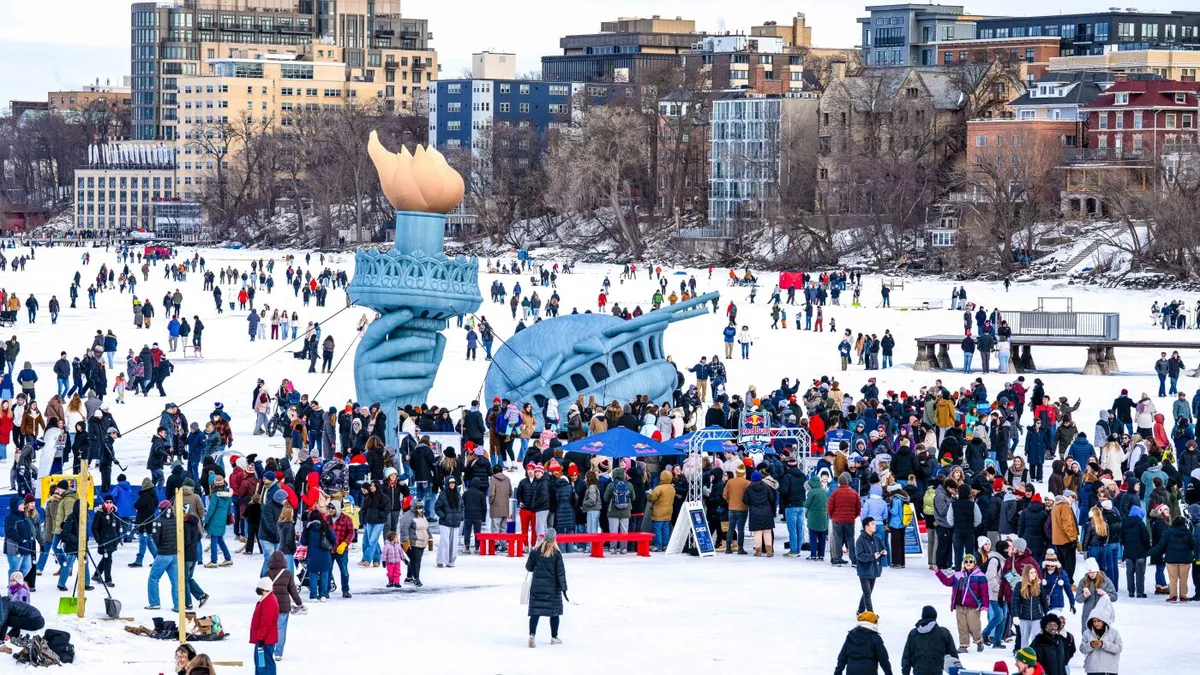
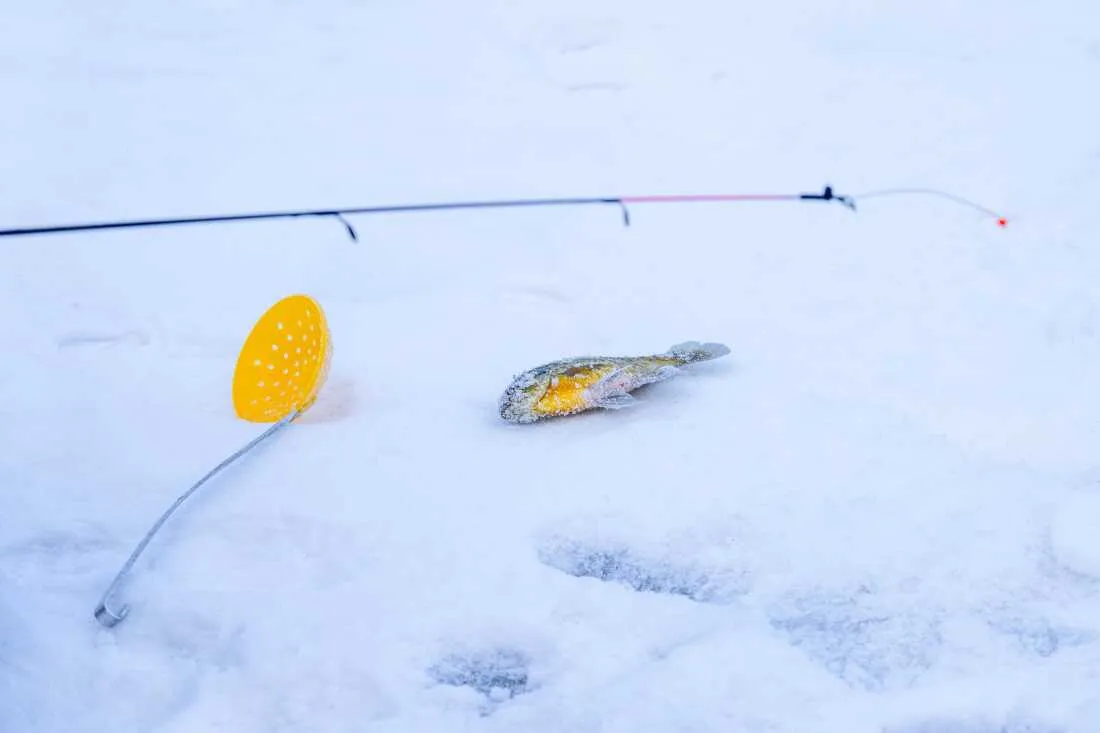
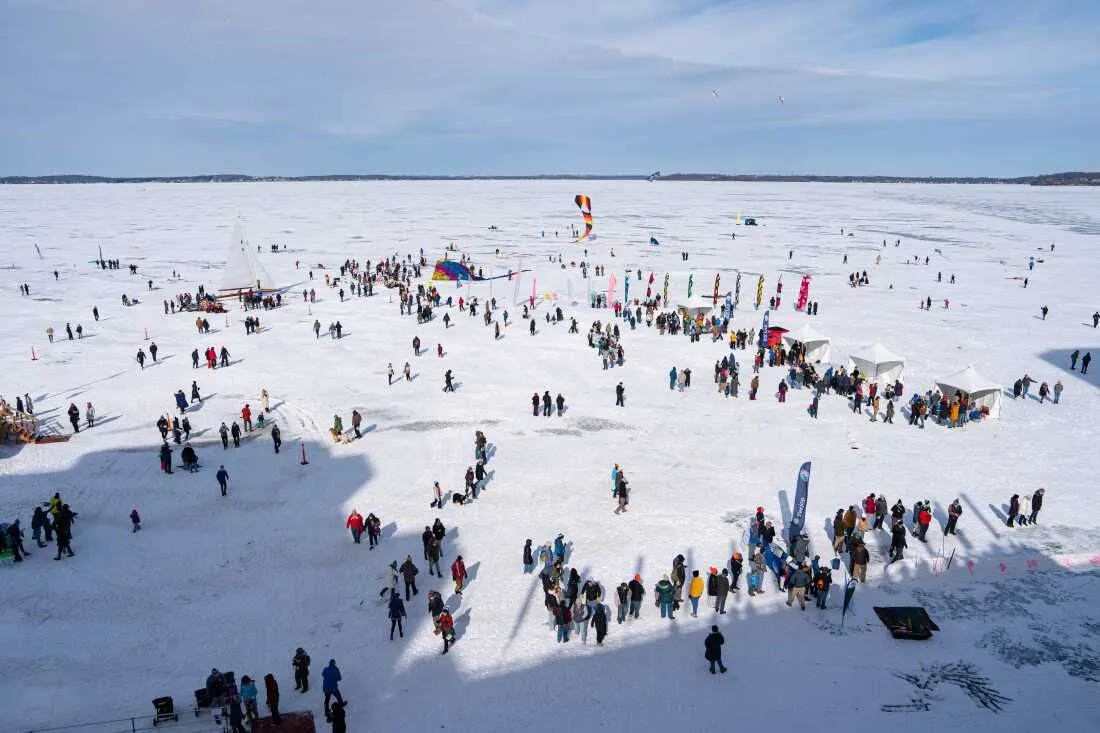
Over 1,000 people gathered on Lake Mendota in February for Madison's 14th annual Frozen Assets Festival—ice skating, ice fishing, kite flying, skydivers landing on the frozen surface, and runners competing in a 5K entirely on skates. It was a full winter celebration. Two years ago, there was no festival at all. The ice simply wasn't safe.
Madison sits on an isthmus between two lakes that have been central to winter life here for over a century. The city keeps records going back more than 100 years tracking when Lake Mendota freezes each year. Residents even enter a contest guessing the exact date. But that date keeps shifting later.
"We've actually lost about a month of lake ice duration here in Madison," says Hilary Dugan, a limnologist at the University of Wisconsin. The ice that does form is increasingly unpredictable. "Traditionally, these were lakes that froze really safely every winter. And that's becoming less—we're less confident in that, going into the future."
We're a new kind of news feed.
Regular news is designed to drain you. We're a non-profit built to restore you. Every story we publish is scored for impact, progress, and hope.
Start Your News Detox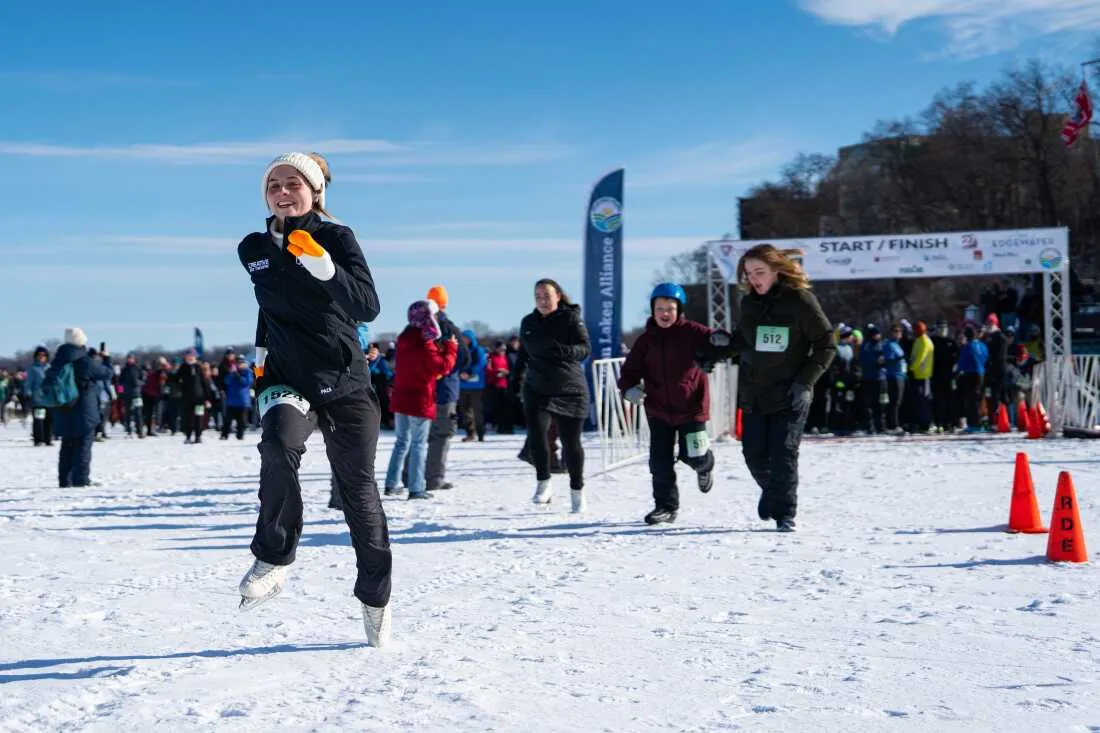
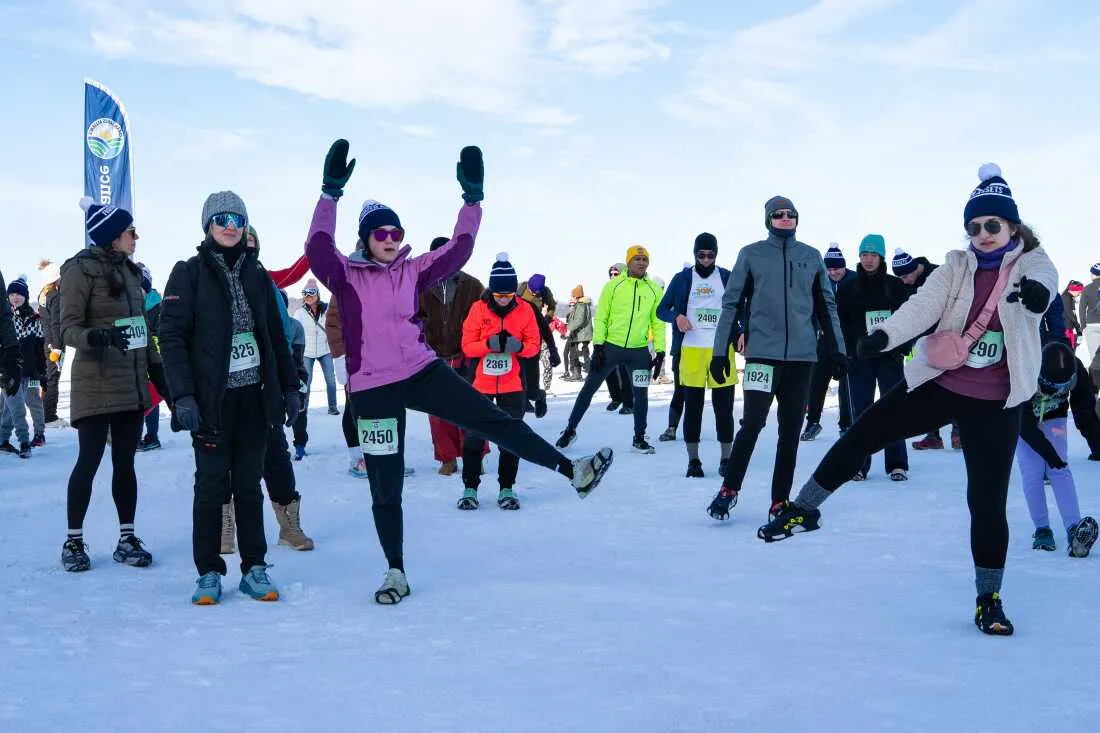
Climate change creates temperature swings that make ice conditions unreliable. Last year, it was simply too warm. "There were weird little things going on on the ice," recalls James Tye, executive director of Clean Lakes Alliance, which organizes the festival. "So we called it to be on land." This year, Lake Mendota had over a foot of ice by early February—enough to support the full experience.
What's happening here isn't unique to Madison. Across the northern hemisphere, winter ice is arriving later and disappearing earlier. The shift affects everything from Indigenous winter traditions to recreational culture to the ecology of the lakes themselves. But Madison is responding by leaning in rather than looking away.
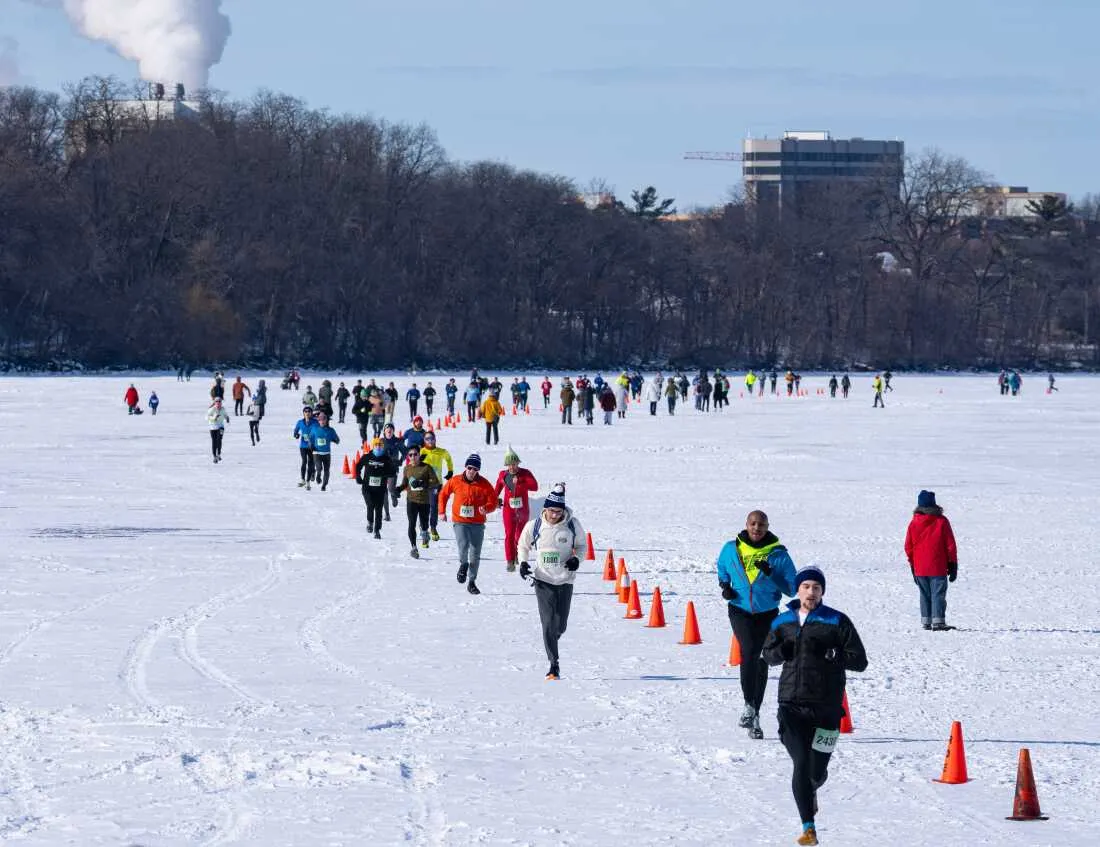
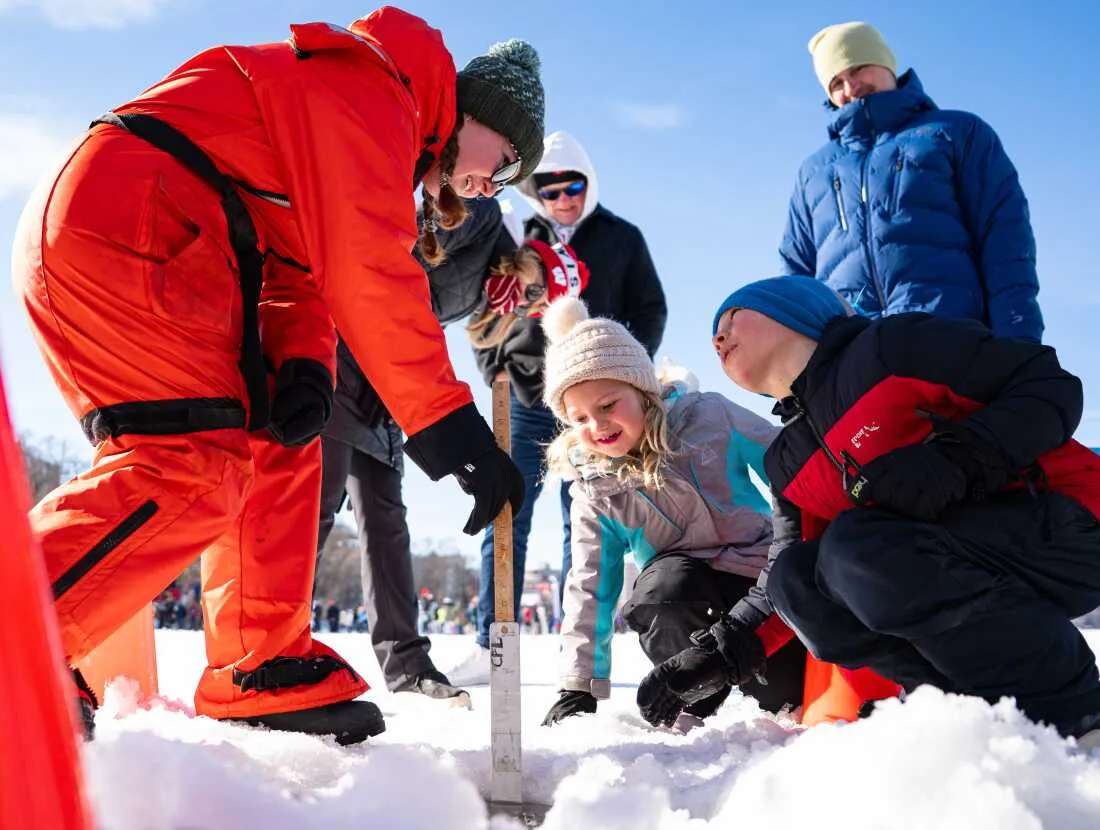
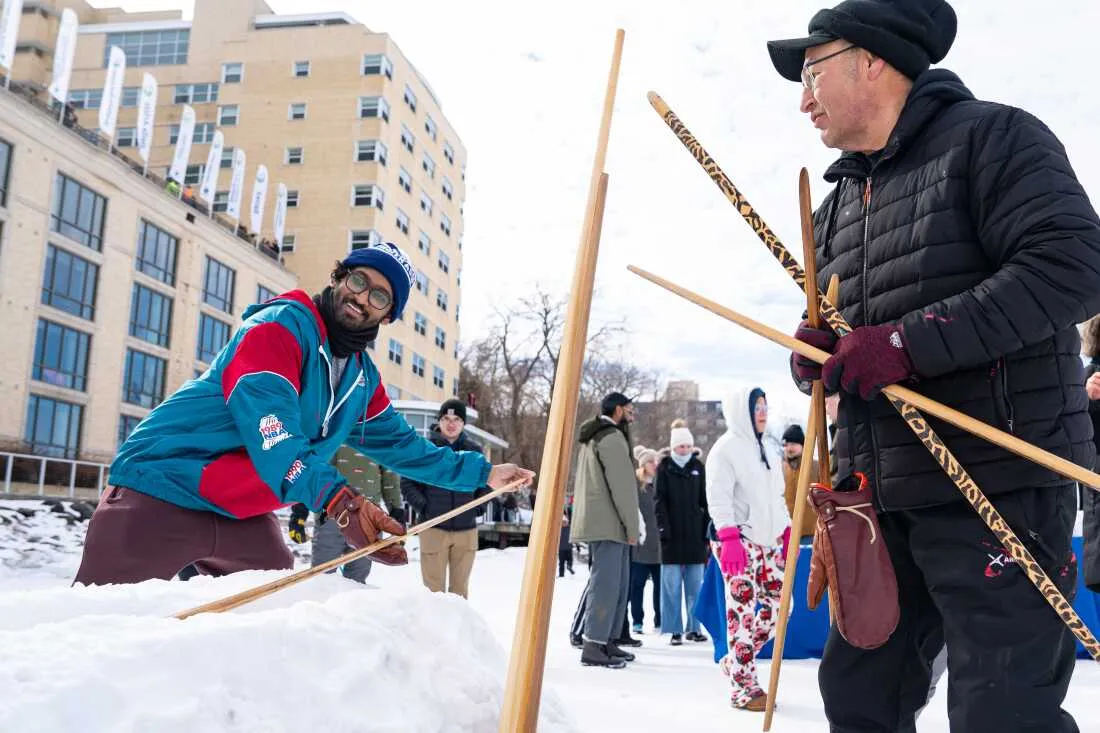
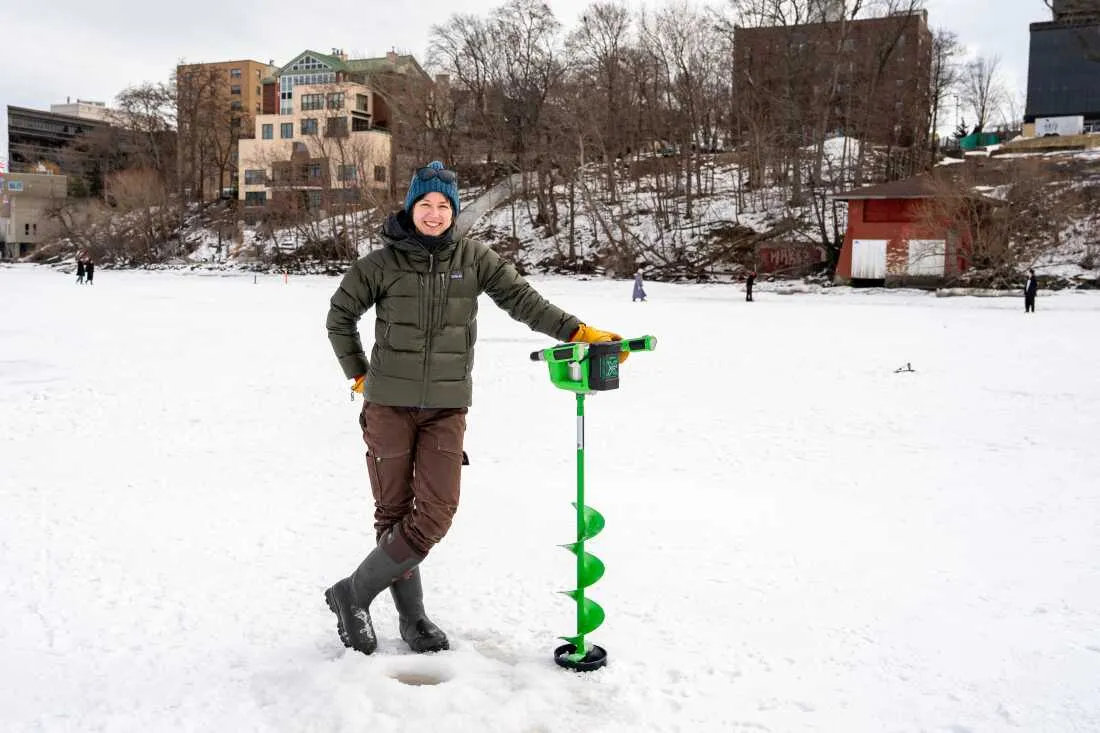
The festival wove in education alongside celebration. UW-Madison's Center for Limnology set up demonstrations on ice thickness measurement, helping visitors understand what makes ice safe. Bill Quackenbush of Ho-Chunk Nation taught snow snake—a traditional Indigenous winter sport where players slide handcrafted wooden sticks down snow trenches for distance. The festival wasn't just preserving a recreational tradition; it was honoring the deeper cultural roots of winter on these lakes.
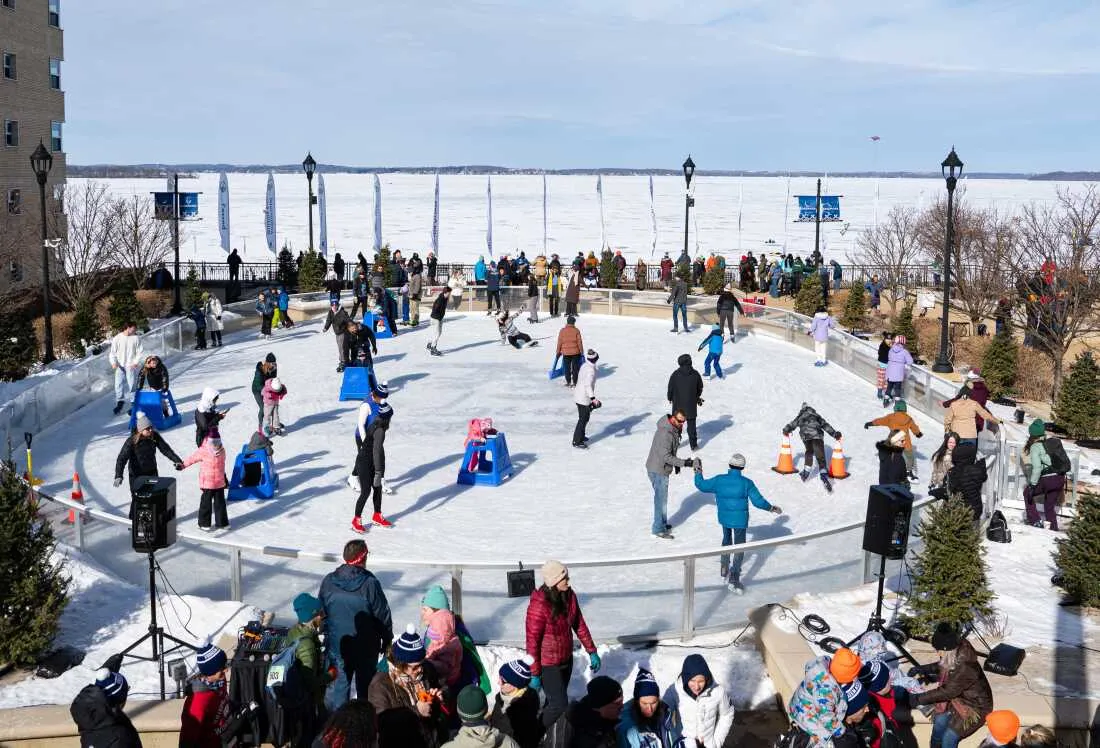
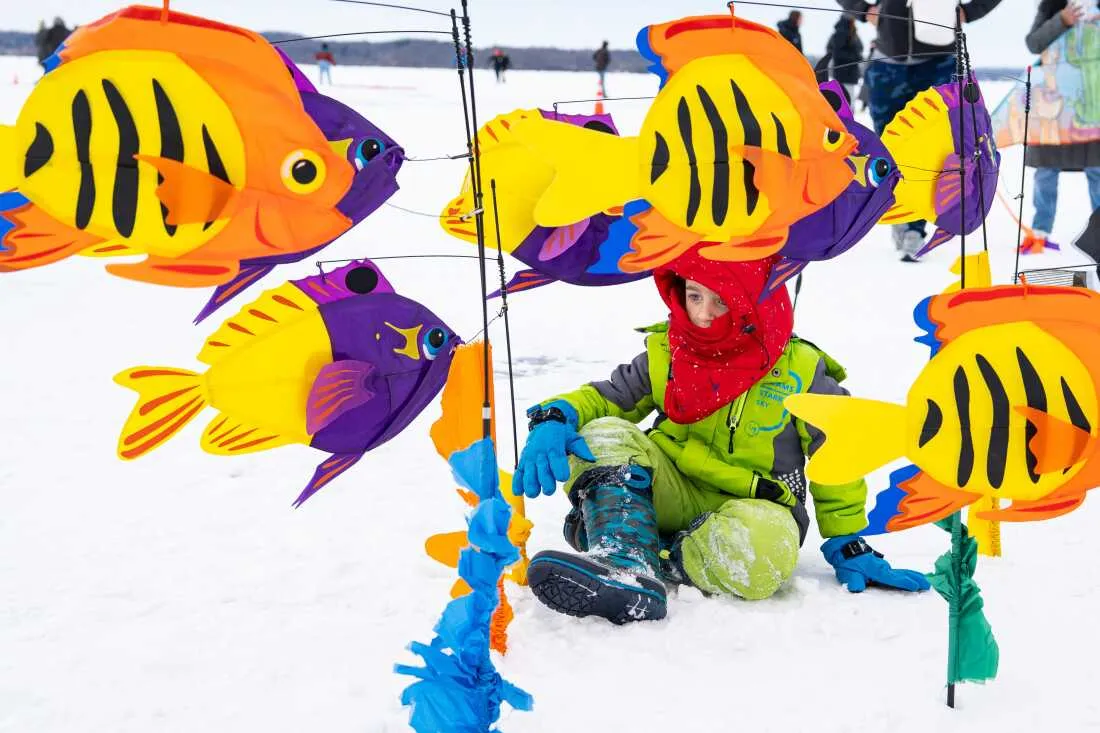
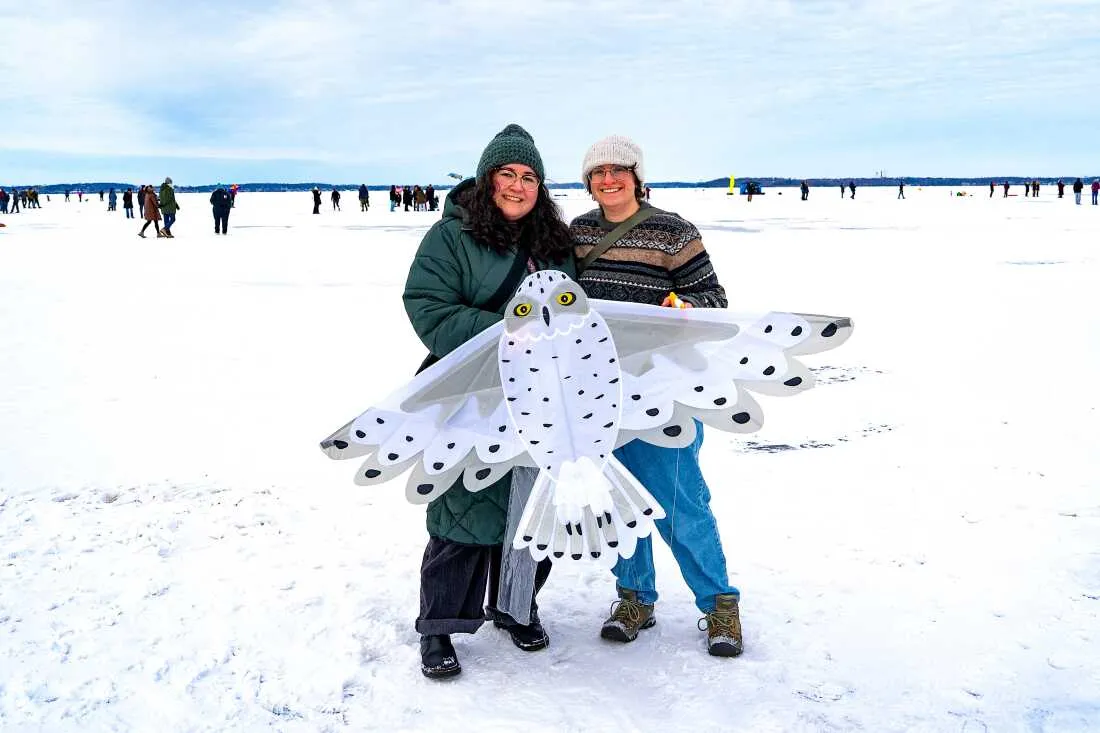
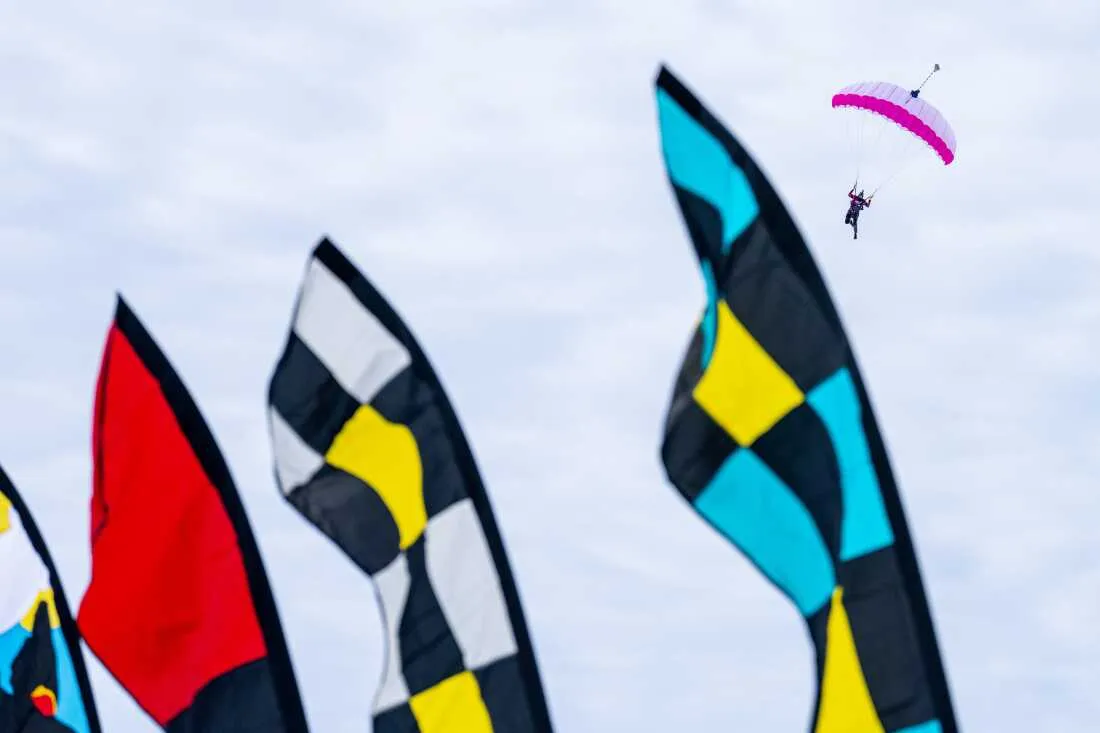
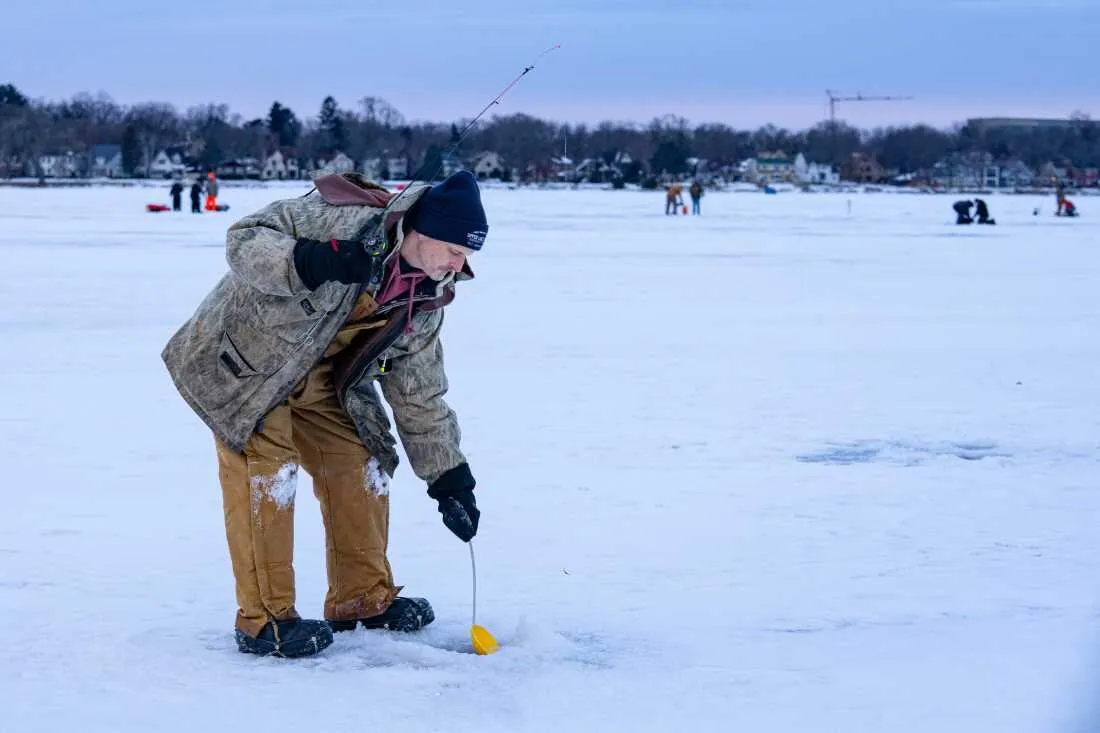
There's something quietly powerful about a community that gathers to celebrate something it might lose. Madison isn't pretending the ice will always be there. It's documenting it, teaching it, and finding joy in it while conditions allow. The festival is a form of climate resilience that doesn't look like the usual kind—it's not about fighting to restore what was, but about honoring what's here now, knowing it may not always be.