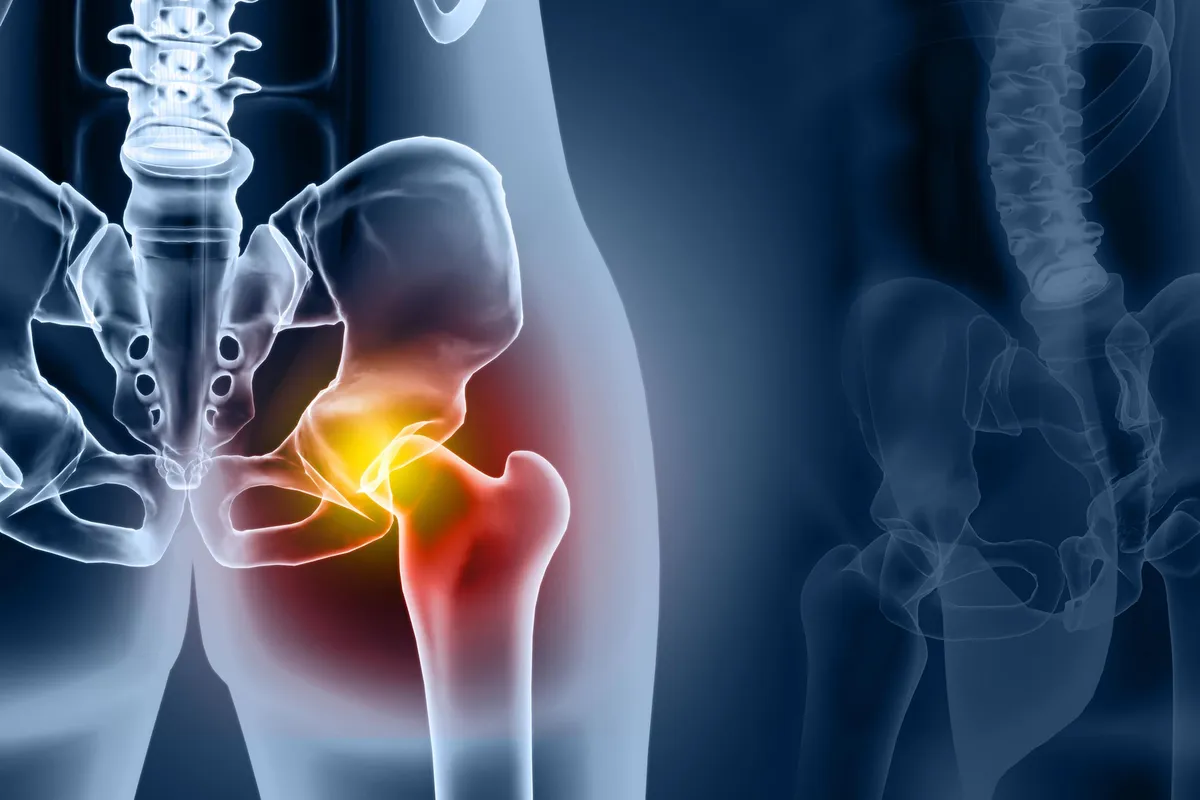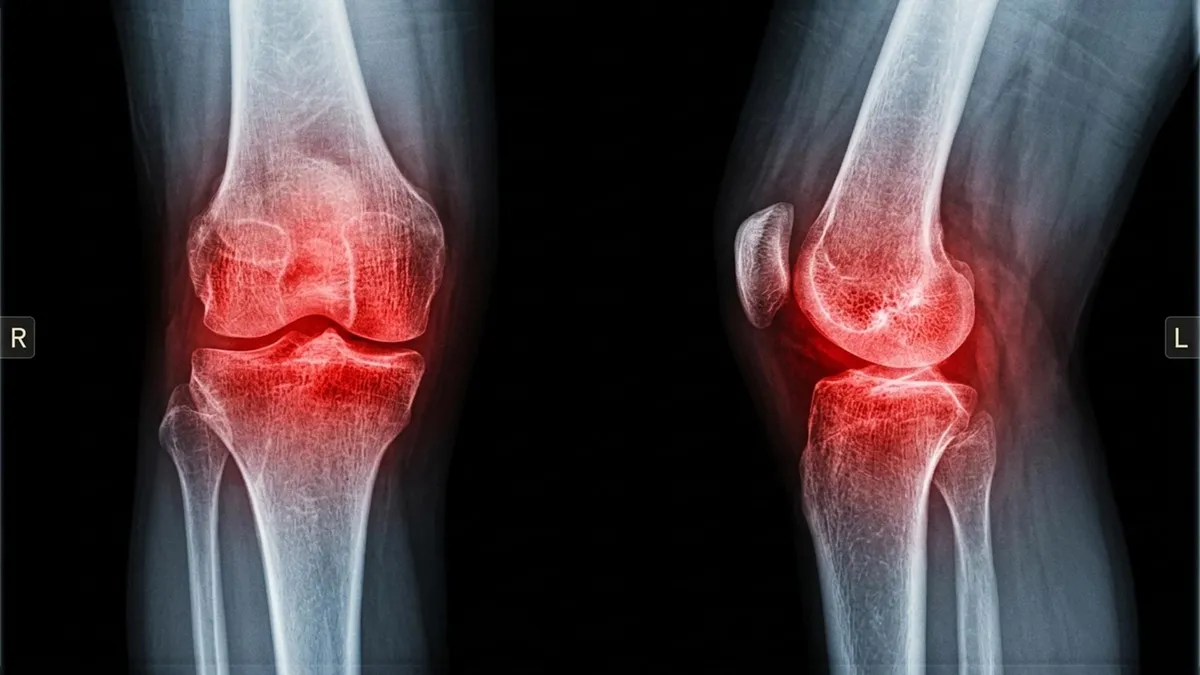
Imagine this: your knee aches, every step a reminder of the inevitable march toward a total knee replacement. You've tried everything short of selling your soul to the orthopedic devil. Now, there's a new contender in the ring, and it involves something called genicular artery embolization (GAE) — a mouthful for a procedure that sounds almost deceptively simple.
Cynthia Schraf-Fletcher, 74, knows the struggle. After a previous knee replacement left her with complications, she opted for GAE on her other knee. Nearly a year later, she's gardening and stationary biking with a knee that feels almost as good as the one that went under the knife. Because apparently, sometimes the best solution isn't the biggest one.
How It Works: A Tiny Blockade
GAE is a minimally invasive procedure that doesn't involve chiseling bone. Instead, it targets the source of the inflammation and pain: abnormal blood vessels in your knee joint. Dr. Leigh Casadaban, a vascular interventional radiologist, explains it fills a crucial gap. Before, it was meds, physical therapy, injections, or the full-on knee replacement. GAE offers a promising detour for those not quite ready for the nuclear option.
We're a new kind of news feed.
Regular news is designed to drain you. We're a non-profit built to restore you. Every story we publish is scored for impact, progress, and hope.
Start Your News DetoxThe sweet spot for GAE is mild to moderate osteoarthritis, though even advanced cases can see some relief, if perhaps not quite as long-lasting. The reported success rate? About 70% of patients experience significant improvement, with some even hitting that coveted zero-pain mark. Let that satisfying number sink in.
The procedure itself is pretty quick, usually an hour or two under conscious sedation. They make a small incision near your leg crease, thread a thin catheter through your femoral artery (think of it as a tiny, guided tour through your plumbing), and once it reaches the genicular arteries around your knee, they unleash a torrent of… tiny beads.
These microscopic beads then get to work, blocking blood flow to those rogue vessels causing all the trouble. Patients are usually home the same day, needing just a few days to recover. It’s like a targeted traffic jam for inflammation.
Developed in Japan over a decade ago, GAE is now popping up in medical centers globally. The U.S. FDA has even given "breakthrough device status" to several tools used for GAE since 2021, which is medical-speak for "this thing is a big deal."
The Long Game
Early research is looking good. Dr. Casadaban notes that GAE reduces inflammation inside the joint, and the pain relief isn't just a fleeting moment. Data from Japan suggests relief can last up to four years after a single outpatient procedure, while U.S. data points to two years. Which, if you think about it, is both impressive and slightly terrifying that a few beads can alter your joint for years.
Dr. Casadaban isn't stopping there. She's running two clinical trials, one looking at changes in knee joint fluid post-GAE, and another testing a temporary device called Nexsphere-F. While GAE is currently just for knees, researchers are already eyeing other possibilities: frozen shoulder, tennis elbow, and even plantar fasciitis. Because who wouldn't want to avoid surgery for those too?
So, if your knees are giving you grief, and the thought of a major operation makes you want to crawl under the covers, perhaps it's time to ask about the tiny beads. They might just be the quiet heroes you never knew you needed.