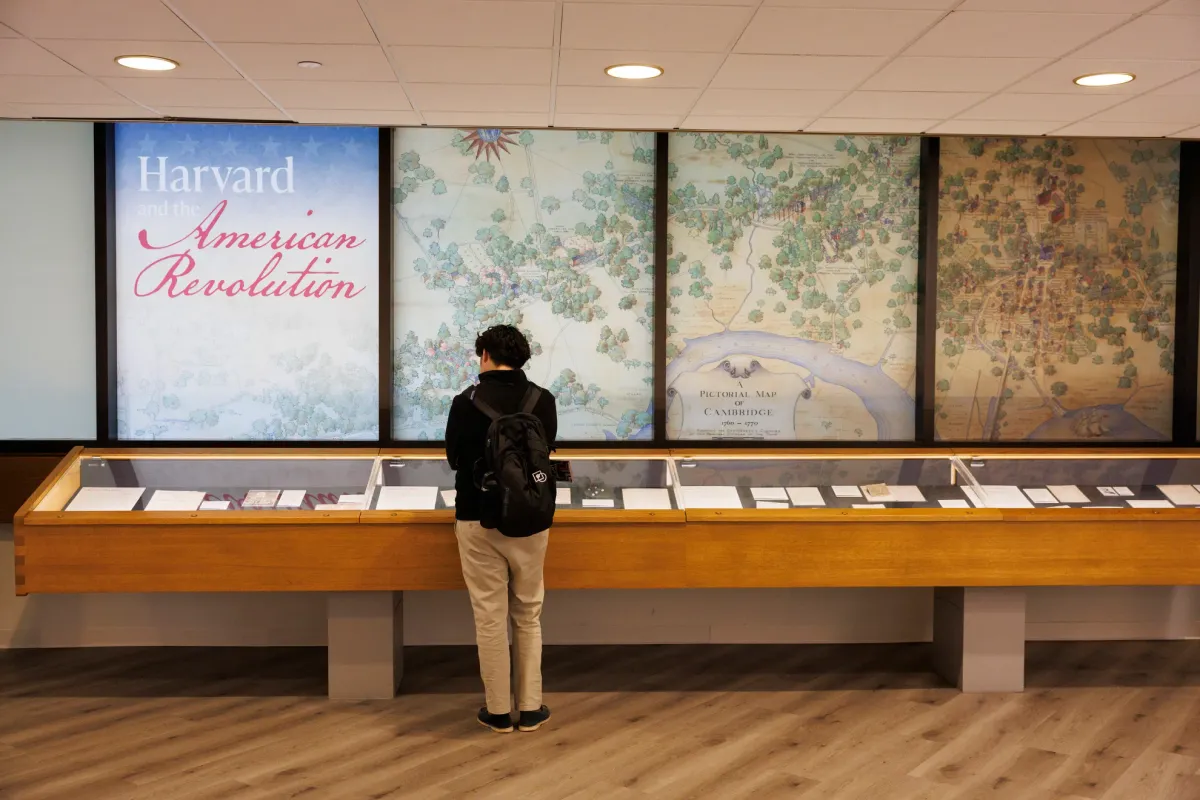
Before it was the hallowed halls of… well, Harvard, it was a war zone. Or, at least, a highly strategic military base. An exhibit titled "Harvard and the American Revolution" is pulling back the velvet rope on the university’s surprisingly gritty role in America’s fight for independence.
Turns out, those perfectly manicured lawns once hosted General George Washington and his Continental Army. They weren't just visiting; they moved in. The exhibit, running at Pusey Library (and online, for those who prefer their history sans cobblestones), is a treasure trove of letters, documents, and artifacts, all timed to the 250th anniversary of the Declaration of Independence.
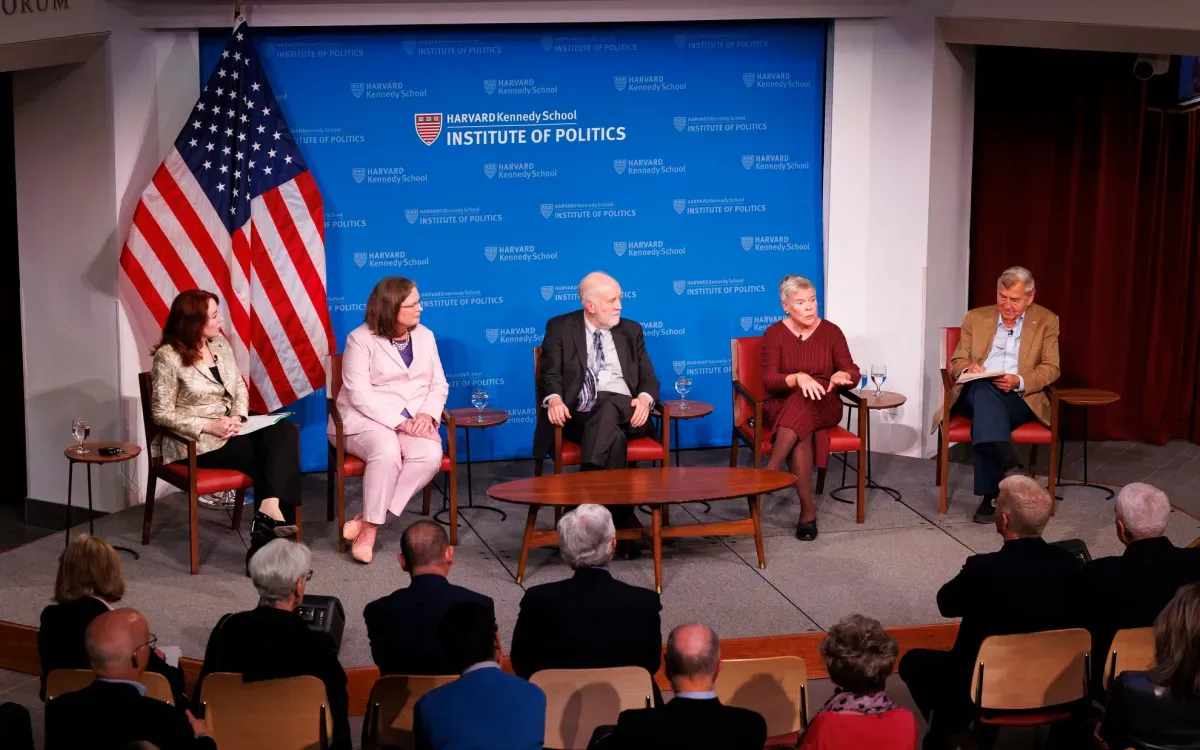
Sarah Martin, a Harvard archivist, points out that the display isn't just about battles and big names. It’s about the students and staff caught in the whirlwind, showing how the campus itself became a pivotal player. From student protests against British taxes to actual military occupation, Harvard was, apparently, the place to be if you wanted to kick off a revolution.
We're a new kind of news feed.
Regular news is designed to drain you. We're a non-profit built to restore you. Every story we publish is scored for impact, progress, and hope.
Start Your News DetoxFrom Protest Hub to Army HQ
The story kicks off between 1760 and 1775, when Harvard was less a school and more a hotbed of anti-British sentiment. Graduates like Samuel Adams and John Hancock weren't just getting degrees; they were getting radicalized. John Adams even penned his 1758 master’s thesis on the radical idea of civil government. Clearly, these were not quiet library types.
Then April 1775 hit, and things got real. The war officially began, and by May, Washington’s army rolled into Cambridge. The General himself shacked up in Wadsworth House, which was, at the time, the Harvard president's residence. Because if you’re going to wage a war, you might as well do it from the nicest house on campus.

Classroom buildings like Hollis Hall, Massachusetts Hall, and Harvard Hall were swiftly repurposed as barracks and offices. Students, naturally, were shipped off to Concord. Winthrop’s almanac from the time reads like a dramatic war diary, noting everything from battles to his family's hasty relocation and a meeting with Washington. Talk about a busy year.
An urgent letter from Harvard tutor Caleb Gannett to Professor Edward Wigglesworth, dated May 2, 1775, perfectly captures the chaos. Gannett, trying to return to Cambridge, found the city under siege and the college basically shut down, its buildings now housing soldiers. His main concern? His stuff. Because even during a revolution, you don't want someone else using your favorite quill.
The Echoes of Revolution
The exhibit doesn't stop once the smoke cleared. It traces the aftermath, revealing that eight Harvard grads, including the Adamses, Hancock, and Elbridge Gerry, ended up signing the Declaration of Independence. Which, if you think about it, is both impressive and slightly terrifying for any admissions officer trying to predict future troublemakers.
Many of the buildings that housed soldiers during the Boston siege (April 1775 to March 1776) are still standing. Massachusetts Hall, Hollis Hall, and Holden Chapel once saw over 1,500 soldiers milling about. Martin says they’re even planning a walking tour so visitors can “walk in these Revolutionary footsteps.”
It’s a clever way to connect the past to the present, especially for students who might otherwise just see old brick. Imagine walking to your lecture, completely oblivious that the very ground beneath your feet was once a staging ground for a full-blown revolution. Suddenly, that history class feels a lot more immediate.