In a world buzzing about AI, teens are still reaching out for a real human connection. And other teens are answering.
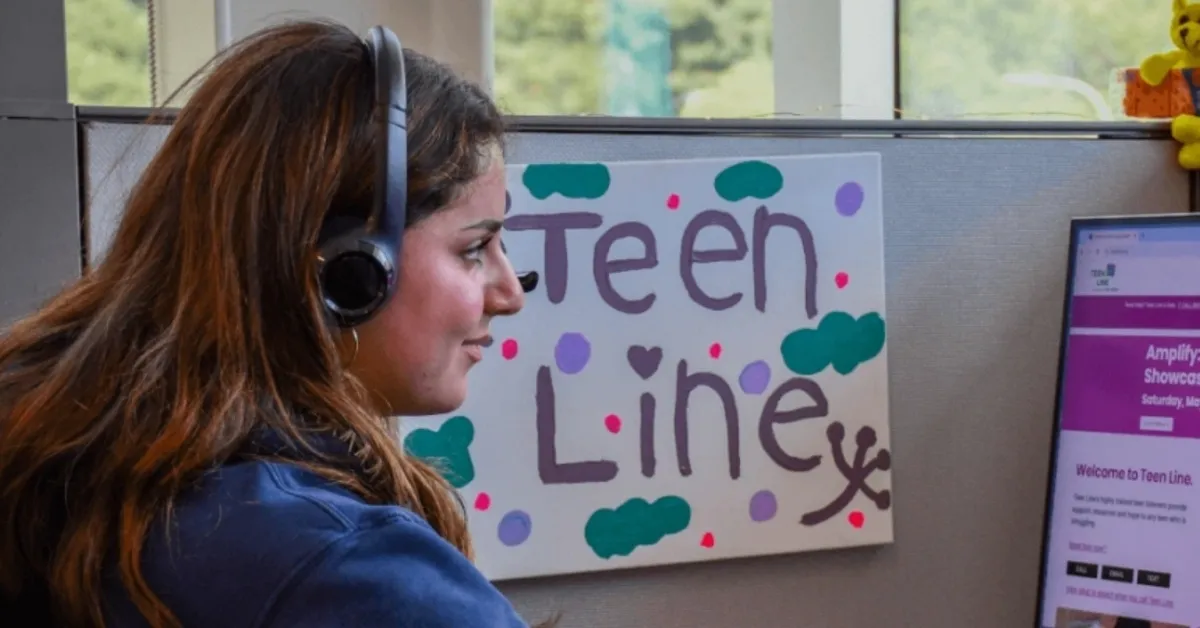
Every night in Los Angeles, a group of young people volunteer for a program called Teen Line. From 6 p.m. to 10 p.m., they answer calls and texts from other teens worldwide. It's all about offering a listening ear, not a chatbot.
Sixteen-year-old volunteer Brooke says most people think "hotline" means only big emergencies. But she takes calls about everything: relationship drama, school stress, anxiety, or even just arguments with parents.
We're a new kind of news feed.
Regular news is designed to drain you. We're a non-profit built to restore you. Every story we publish is scored for impact, progress, and hope.
Start Your News DetoxBrooke joined because she saw how tough the pandemic was for so many young people. She wanted to help them feel better.
Before they even pick up the phone, these volunteers go through 65 hours of training. A pro counselor teaches them how to handle tough situations and really listen.
Fifteen-year-old Max, another volunteer, says they don't try to solve problems. Instead, they just listen and let callers know their feelings are valid. That's a big deal when you feel like no one gets it.
In 2024, Teen Line helped nearly 9,000 people. Calls came from places as far as Japan and Tanzania. Cheryl Eskin, Teen Line's senior director, thinks they'll hit over 10,000 calls this year. That's a pretty nuts number for a service run by high schoolers.
Why Human Connection Matters
As more calls come in, Eskin noticed something interesting: callers often ask, "Are you AI? Are you a bot?" They really want to talk to a person.
That real human connection is why volunteers like Brooke and Max keep showing up, even with busy school schedules. Max shared that after a call, he often feels like he helped someone realize there's still something good to live for. It's a powerful reminder of how much human empathy matters, especially when you're going through it.
And get this: programs like this aren't just in the U.S. In India, "beacon buddies" teach students to spot friends in distress. In Australia, the Peers for Teens and Young Adults program connects young people with autism to build confidence. It’s a quiet movement of young people helping each other out, one conversation at a time.