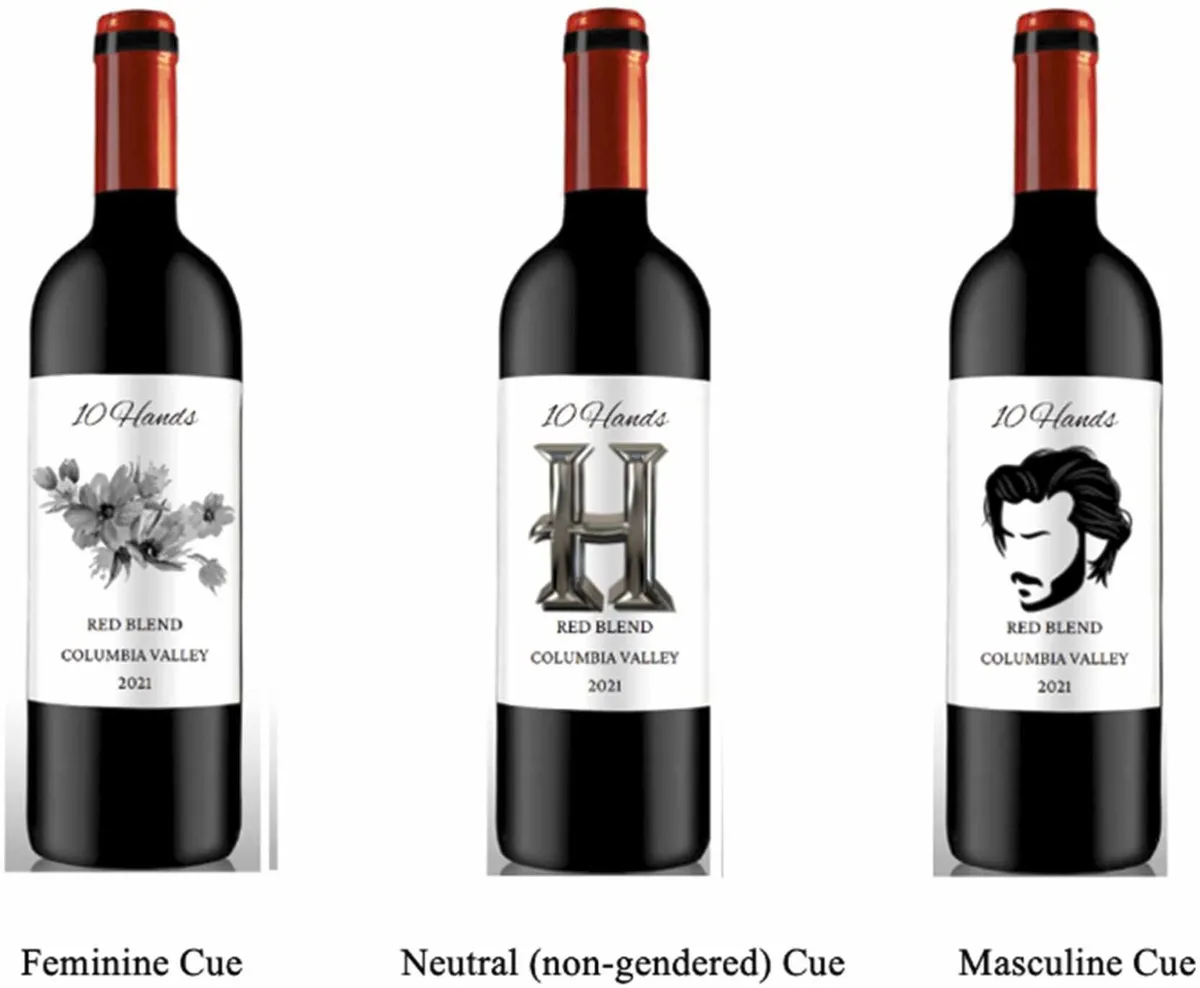
Women drive nearly 60% of all wine purchases in the U.S., yet female winemakers stay largely invisible on bottle labels. A new study from Washington State University and Auburn University found something straightforward: when wineries openly market that a woman made the wine, women buy more of it—and they're willing to pay significantly more.
The research, published in the International Journal of Hospitality Management, tracked over 1,000 American women across three separate experiments. The core finding was clean: adding a statement like "proudly made by a woman winemaker" to marketing materials boosted purchase intent substantially. When combined with feminine visual cues on the label (floral artwork, for instance), women valued the wine at around $17.75 instead of $14.25—a $3.50 premium for the same product.
Why Hidden Talent Stays Hidden
The wine industry has a visibility problem. Female winemakers exist—they make genuinely excellent wine—but many don't put their names on labels or highlight their gender. The reason is straightforward: they worry about prejudice in an industry still coded as male. Only about 18% of winemakers in the U.S. are women, and many of those who are have learned to stay quiet about it.
We're a new kind of news feed.
Regular news is designed to drain you. We're a non-profit built to restore you. Every story we publish is scored for impact, progress, and hope.
Start Your News DetoxThis reluctance costs them. Wine isn't just a beverage; it's a cultural product where the maker's identity shapes how consumers perceive the brand. When that identity stays hidden, so does a major selling point for the largest group of wine buyers.
Christina Chi, co-author of the research and a professor at WSU's Carson College of Business, put it plainly: "Women winemakers and winery owners can benefit by being more visible. The research shows that they can disclose their ownership with confidence and leverage it as a marketing strategy."
The Experiments: What Actually Works
The first phase confirmed earlier findings—women showed stronger purchase intent for wines with feminine label design (floral artwork) compared to masculine ones (like portraits), and they were willing to pay more for the feminine-coded versions.
The second phase got interesting. Researchers added explicit "woman-made wine" statements to the marketing materials alongside the feminine artwork. The combination was more powerful than either element alone. Women's purchase intentions jumped noticeably when both signals appeared together.
The third phase tested something unexpected: adding photographs of actual female winemakers to the materials. Here, the results flipped. When women saw a specific face attached to a feminine-labeled wine, they were actually less likely to buy it. The researchers suggest this happened because consumers' decisions shifted based on whether they personally related to the individual women pictured—a reminder that representation matters, but it has to feel authentic, not tokenistic.
But the "woman-made" statement proved remarkably flexible. When applied to wines with traditionally masculine labels (the kind that wouldn't normally appeal to women buyers), the statement significantly increased appeal—especially when paired with a photo of the female winemaker. In those cases, women were willing to pay $3 more per bottle.
What This Means for the Industry
The research points to concrete steps wineries can take: label statements highlighting female ownership, retail displays featuring women-made wines, transparent marketing about who's behind the bottle. These aren't revolutionary tactics. They're just honesty, made visible.
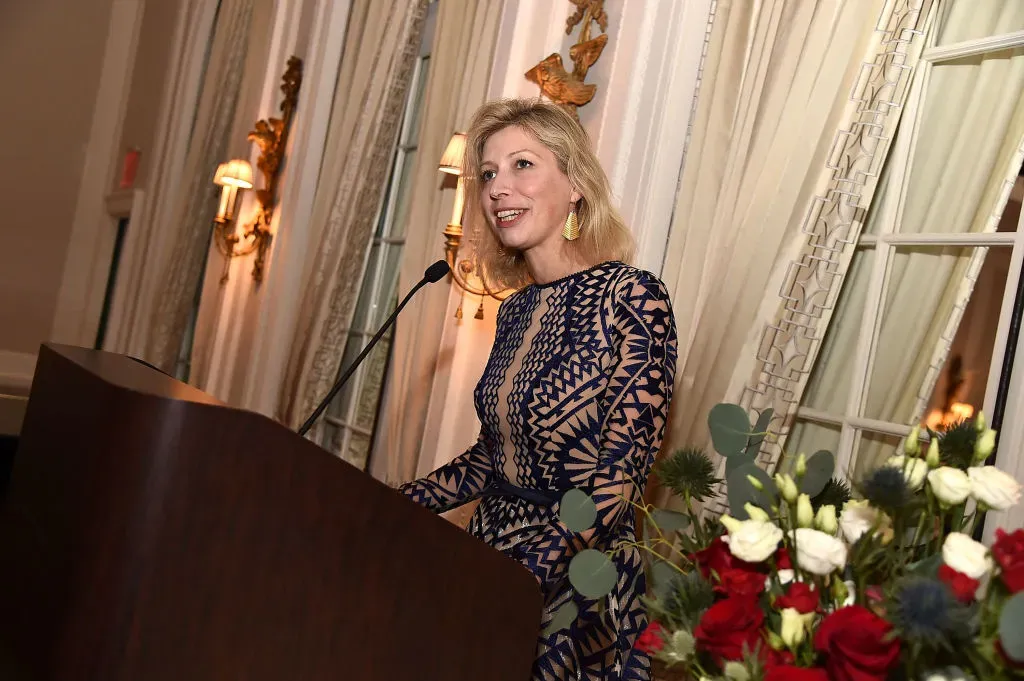
Demi Deng, the Auburn assistant professor who led the research and previously worked as a sommelier in New Zealand, has seen this gap firsthand. "I actually encountered a lot of women winemakers, but their names aren't visible in the wine market," she said. The study suggests that gap isn't inevitable—it's a choice, and a costly one.
For women winemakers, the message is clear: the largest segment of wine consumers actively wants to buy from you. They'll pay a premium for it. The only barrier is making yourself known.