The Grammy Awards have spent nearly 70 years honoring musicians. But for much of that time, the stage reflected a narrow slice of who was making music that mattered. The real story isn't just about the wins—it's about the doors that opened when someone won.
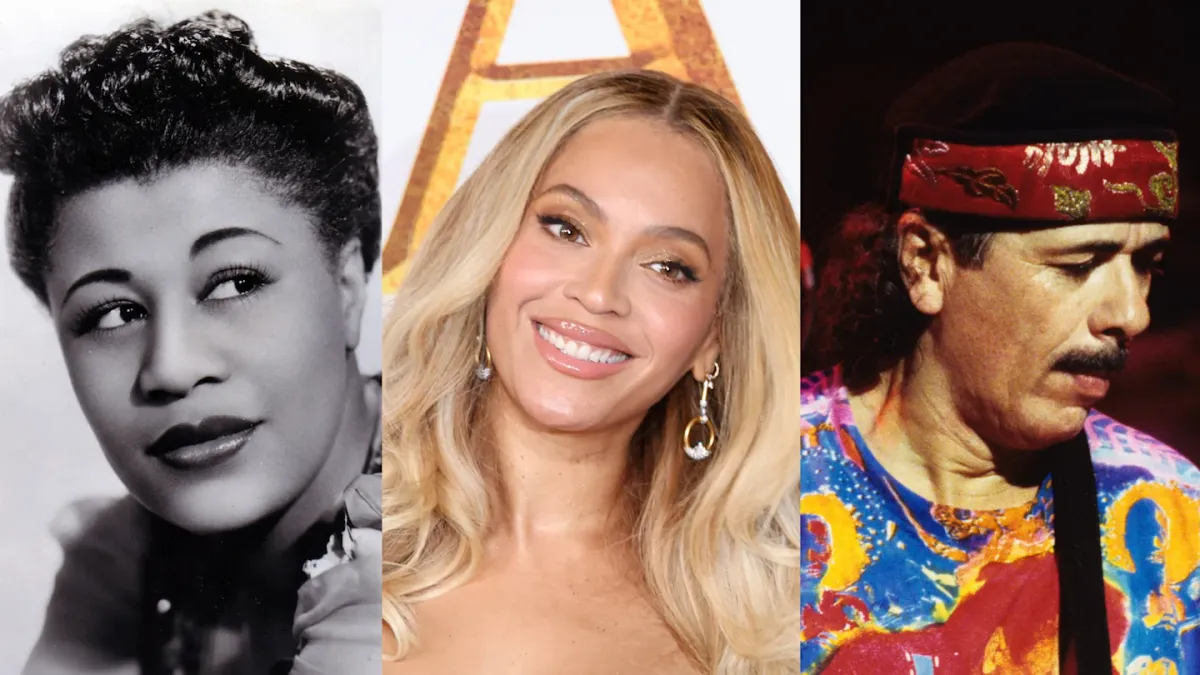
Ella Fitzgerald walked into the first Grammy ceremony on May 4, 1959, and walked out with two awards: Best Individual Jazz Performance and Best Female Vocal Performance. She was the first Black woman to win a Grammy, and the first person to win multiple awards in the same night. When she performed at the second ceremony—the first televised—she became the first woman to sing on that stage at all. Over her career, she'd win 13 Grammys. But that first night in 1959 mattered most. It said: this person belongs here.

Three years later, Judy Garland won Album of the Year for Judy at Carnegie Hall. She was the first woman to win that category. Only 19 women have won it since.
We're a new kind of news feed.
Regular news is designed to drain you. We're a non-profit built to restore you. Every story we publish is scored for impact, progress, and hope.
Start Your News DetoxLarry Ramos of The New Christy Minstrels won Best Performance by a Chorus in 1963. He was the first Asian-American artist to win a Grammy. That same year, the Recording Academy didn't yet have a category for Latin music. It took until 1975 for Eddie Palmieri to win the first Best Latin Recording award for Sun of Latin Music—16 years after the ceremony began.

Wendy Carlos won three Grammys in 1970 for Switched on Bach, making her the first trans woman to win. She accepted under her dead name and performed disguised as a man to avoid harassment. She wouldn't speak openly about her transition until 1979. The Grammys didn't catch up to her truth for nearly a decade.
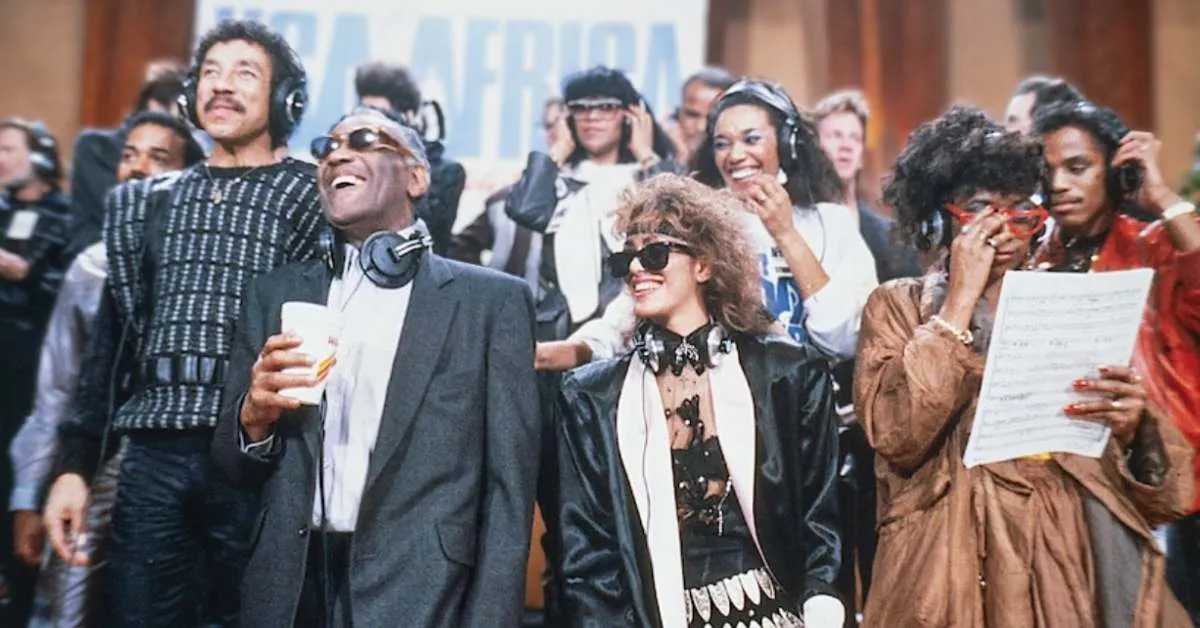
In 1974, Stevie Wonder won Album of the Year for Innervisions. He was the first artist of color to win that award. He won it again the next year for Fulfillingness' First Finale. He'd go on to tie Frank Sinatra and Paul Simon for the most Album of the Year wins by a male artist—three each. He remains the only artist of color to reach that milestone.

Elizabeth Cotten didn't record her first album until she was 62. At 90, she won Best Ethnic or Traditional Folk Recording, becoming the oldest person ever awarded a Grammy at the time. She'd taught herself guitar and banjo left-handed, playing instruments designed for right-handed players. She invented a technique now called the "Cotten style," and generations of musicians learned from her.
LeAnn Rimes was 14 when she won Best New Artist in 1997, becoming the youngest Grammy winner ever. She was also the first country singer to win that award—a gap of nearly 40 years.

In 2000, Carlos Santana and his band won Album of the Year for Supernatural, the first Latin artist to win that category. They took home eight awards that night, tying Michael Jackson's record.
Lauryn Hill made history multiple times over. With The Fugees, she became the first female rapper to win Rap Album of the Year. Then, as a solo artist, she won five Grammys in one night in 1999—the first woman to do so. Her album The Miseducation of Lauryn Hill was the first hip-hop album to win Album of the Year, and she was the first rap artist to win it at all.

Twenty-three years passed between the introduction of Best Rap Album in 1996 and Cardi B's win in 2019 for Invasion of Privacy. In that span, only four solo female rappers had even been nominated: Missy Elliott, Eve, Nicki Minaj, and Iggy Azalea. Cardi B was the first to win. It would take another six years before another woman won the category.

At 18, Billie Eilish swept the general field in 2020—Album of the Year, Record of the Year, Song of the Year, Best New Artist, and Best Pop Vocal Album for her debut WHEN WE ALL FALL ASLEEP, WHERE DO WE GO? She was the youngest artist ever to do so. Only Christopher Cross had swept before, 40 years earlier.

With 99 nominations, Beyoncé is the most Grammy-nominated artist in history. In 2023, she became the most awarded, reaching 32 wins. In 2025, she won Best Country Album for COWBOY CARTER, becoming the first Black artist to win that category. She also won Album of the Year—the first Black female artist to do so since Lauryn Hill in 1999. She now has 35 Grammys.

In 2023, Sam Smith won Best Pop Duo/Group Performance with Kim Petras for "Unholy," becoming the first non-binary artist to win in that category and the most awarded trans/non-binary artist in Grammy history.

Taylor Swift won Album of the Year three times—in 2021 with Folklore, joining Stevie Wonder, Paul Simon, and Frank Sinatra in an exclusive club. Then in 2024, she won again with Midnights, becoming the first artist ever to win the award four times.
These aren't just personal achievements. Each win shifted what the Grammys—and by extension, the music industry—said mattered. Each first opened a door a little wider. The ceremony still has work to do. But these 15 artists prove that change, when it comes, can be permanent.