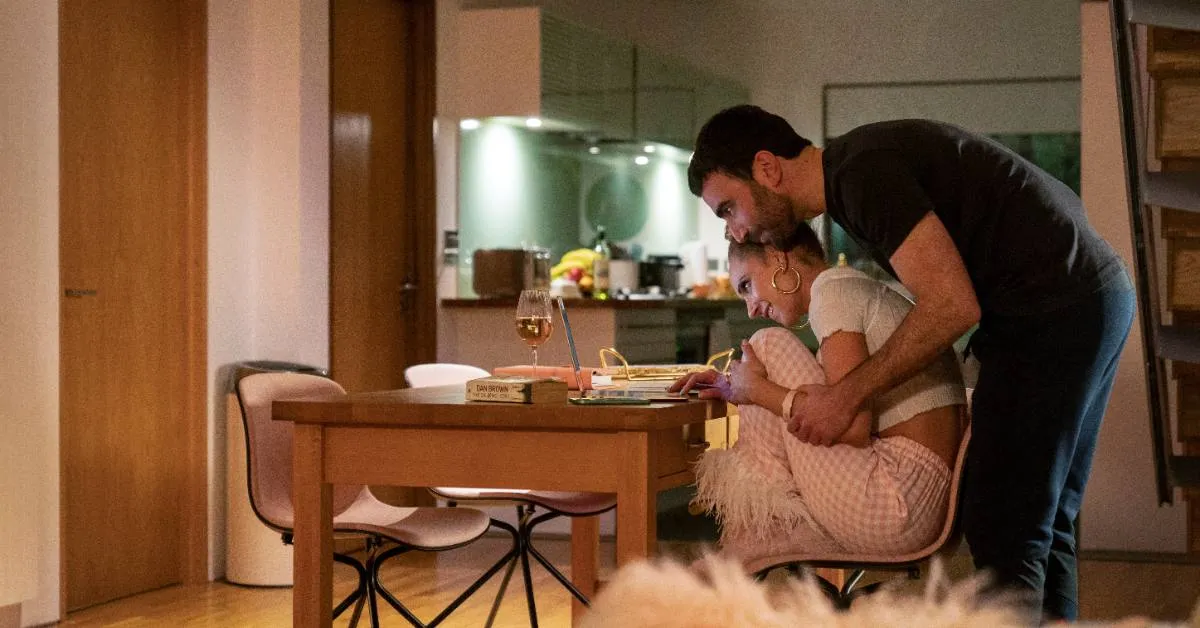
When the "Barbie" movie came out in 2023, many people wondered why it made so many women cry. Some thought it was America Ferrera's powerful speech. But Nivi Achanta, a climate activist and CEO of Soapbox Project, believed it was also because the movie showed a utopian world.
In Barbie Land, women hold powerful positions, enjoy dance parties, live in walkable neighborhoods, and share resources. They can also regain power and fix problems. This vision feels both distant and achievable, offering a glimpse of a better future.
Achanta, who reads over 100 books a year, thinks utopian fiction fills a gap in media and our shared imagination. She believes people want to see that a better future is possible.
We're a new kind of news feed.
Regular news is designed to drain you. We're a non-profit built to restore you. Every story we publish is scored for impact, progress, and hope.
Start Your News Detox"We are past the point where we need warnings," Achanta told Good Good Good. "What we need are pathways forward."
Finding Hope in Stories
Stories like "Black Panther" offer a similar sense of hope, showing a world where Black and African people thrive in harmony with nature and technology. "Project Hail Mary" also provides a story of hope and cooperation in a challenging world.
Even non-sci-fi stories can offer optimistic visions. Achanta points to "Ted Lasso" as an example, highlighting its portrayal of healthy masculinity. "Bridgerton" also reimagines historical racial dynamics. These stories reflect the kind of future society wants to build.
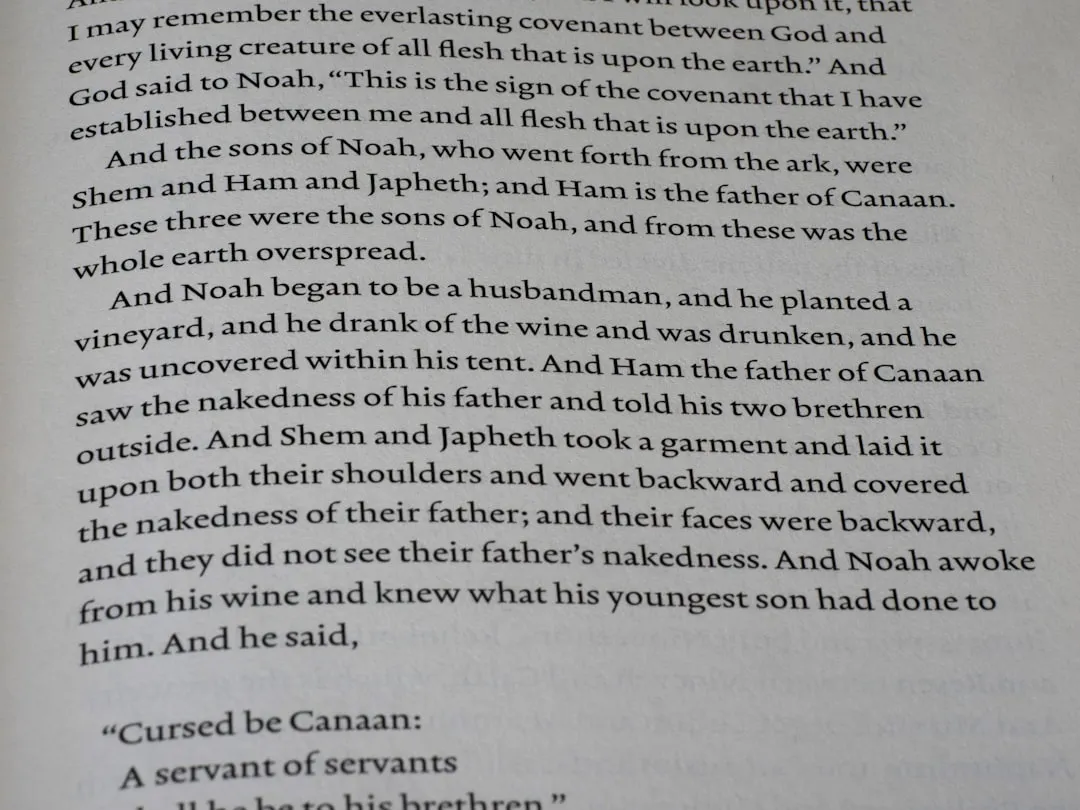 Photo courtesy of Apple TV+
The Power of Radical Imagination
The idea of "radical imagination" comes from philosopher Cornelius Castoriadis. He believed that the world we know was created by imagination and can be changed by it too. Activists like adrienne maree brown have also popularized this concept, arguing that since our current social systems were imagined, new and better ones can be imagined as well.
"I believe that all organizing is science fiction — that we are shaping the future we long for and have not yet experienced," brown writes in "Pleasure Activism."
Achanta's Soapbox Project hosts "Dream Sessions" where people imagine what a better world could look like in 100 years. She says these sessions help people think beyond current limitations.
 Photo courtesy of Nivi Achanta
Achanta notes that many people find it hard to imagine a different future because they lack examples and feel their imagination is controlled by negative forces. However, she emphasizes that imagination is free and just needs practice.
Bringing New Worlds to Life
Achanta is also a novelist, writing "solarpunk romance" under the name Raveena Raju. Her goal is to create utopian fiction that feels realistic. She wants to show how small changes, like characters taking public transport or using heat pumps, can build a better world. These ideas are often inspired by real-world solutions from history and other countries.
Achanta believes that practicing radical imagination can be as simple as suggesting small alternatives in daily life. For example, instead of buying fast fashion, suggest a trip to a thrift store. Or, imagine what a street without cars might look like.
This process helps bridge the gap between recognizing problems and envisioning solutions. Achanta says this is a form of storytelling, even if people don't call it that.
"Inevitability is a myth," Achanta said. "If we could all identify what in our society is just some dude telling a myth of inevitability, we could all learn that we can tell our own myths and bring those into existence instead."
She shares the example of Mr. Bloom in San Francisco, who dresses as a bumblebee and sprinkles seeds on open dirt patches. He's just one person, but he imagined a patch of land as wildflowers and made it happen.